
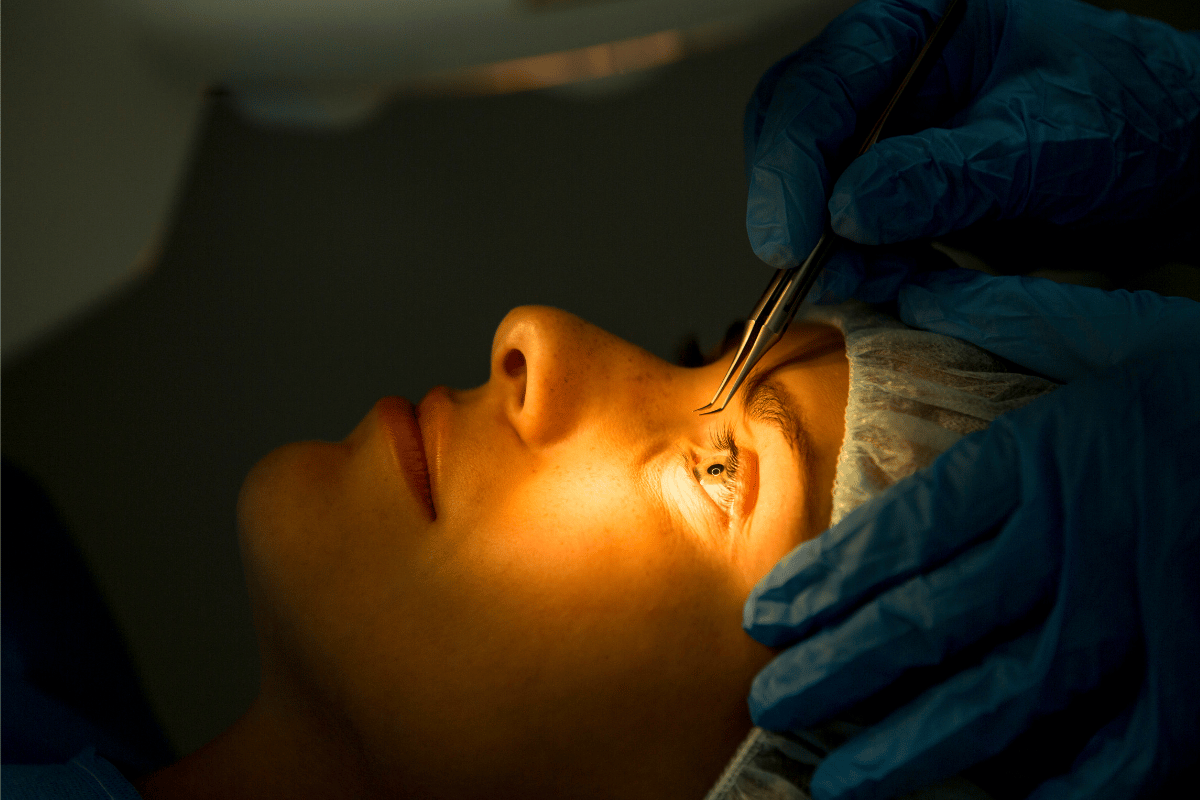
LASIK eye surgery in the Washington DC and Northern Virginia area typically costs between $2,000 and $4,000 per eye. Nationally, the average ranges from $2,000 to $3,500 per eye, with premium technologies such as topography-guided or wavefront-optimized LASIK falling at the higher end of the spectrum. Most patients pay between $4,000 and $6,000 total for both eyes when choosing a reputable practice with current-generation technology. This guide provides a complete breakdown of what drives LASIK pricing, how to compare quotes accurately, financing and insurance options, and why the lowest advertised price rarely represents the best long-term value.
Table of Contents
How Much Does LASIK Cost? National and Regional Averages
LASIK pricing varies significantly based on geography, technology, and what each provider includes in their quoted price. Across the United States, LASIK typically ranges from $2,000 to $3,500 per eye. Lower advertised prices often reflect older technology, limited candidacy, or promotional pricing that does not apply to most patients. On the higher end, pricing includes advanced laser platforms, comprehensive pre- and post-operative care, and highly experienced surgeons.
LASIK Cost in Washington DC and Northern Virginia
In the Washington DC metropolitan area, including Vienna, Virginia, the cost of LASIK generally falls between $2,000 and $4,000 per eye. This range reflects the higher operational costs associated with major urban centers, as well as the availability of premium technology and experienced surgeons. Patients in this region benefit from access to some of the most advanced laser platforms in the country, including bladeless femtosecond lasers and wavefront-guided systems.
National Cost Comparison by Region
The following table illustrates how LASIK pricing varies across different regions of the United States. These figures represent typical all-laser custom LASIK pricing per eye.
| Region | Representative States | Typical Range (Per Eye) |
|---|---|---|
| Northeast | NY, NJ, MA, CT, PA | $2,200–$3,200 |
| Southeast | FL, GA, NC, VA, TN | $1,800–$2,800 |
| Midwest | IL, OH, MI, MN, IN | $1,700–$2,600 |
| Southwest | TX, AZ, NM, CO | $1,800–$2,700 |
| West Coast | CA, WA, OR | $2,200–$3,200 |
| Mountain/Plains | UT, MT, ID, NE, KS | $1,600–$2,400 |
Source: Aggregated data from industry surveys and LASIK provider directories, 2026.
Key patterns to note: Major metropolitan areas such as New York City, Los Angeles, San Francisco, and Boston consistently occupy the top tier of pricing due to higher overhead and demand. Competitive metros with multiple LASIK centers, including Dallas, Houston, Atlanta, and Phoenix, often feature more moderate pricing despite large populations.
What Factors Influence LASIK Pricing?
LASIK is not a one-price-fits-all procedure. Several interconnected factors determine your final cost, and understanding these variables empowers you to compare quotes accurately and avoid unexpected expenses.
Technology Stack
The laser platform used for your procedure is the single largest cost driver. Advanced technologies offer greater precision and safety but come with higher price tags.
| Technology Tier | Typical Price Range (Per Eye) | What It Means |
|---|---|---|
| Conventional LASIK (microkeratome + basic excimer) | $1,000–$1,500 | Older technology; less customization. Increasingly uncommon at reputable centers. |
| All-Laser LASIK (femtosecond + excimer) | $1,800–$2,500 | Bladeless flap creation; standard at most modern practices. |
| Wavefront-Guided LASIK | $2,200–$2,800 | Treatment guided by the eye’s unique optical map. Reduces higher-order aberrations. |
| Wavefront-Optimized LASIK | $2,000–$2,600 | Preserves the cornea’s natural shape during treatment. A middle-ground option. |
| Topography-Guided LASIK (e.g., Contoura) | $2,400–$3,200 | Treatment guided by detailed corneal surface mapping. May produce sharper outcomes for some patients. |
Source: LASIK industry pricing data, 2026.
Surgeon Experience and Practice Model
Highly experienced surgeons with strong reputations, high procedure volumes, and documented outcomes may charge more. This premium often reflects genuine quality differences in surgical skill and complication management.
Practice model also matters. High-volume discount centers operate on thin margins with higher patient throughput. Boutique practices charge more but may offer longer consultation times, direct surgeon access, and more comprehensive aftercare.
Geographic Location
Clinics in high-rent urban areas, including Northern Virginia, typically charge more due to elevated operational costs, staffing expenses, and market demand. However, proximity should not be the sole deciding factor—traveling slightly farther for a more experienced surgeon or more comprehensive care often proves worthwhile.
Your Eyes’ Unique Characteristics
The complexity of your prescription directly affects pricing. Higher degrees of nearsightedness, farsightedness, astigmatism, or presbyopia require more precise and customized treatment plans. Patients with thin corneas, dry eye conditions, or irregular corneal shapes may require specialized procedures that fall outside standard LASIK pricing.
What’s Included (and What’s Not)
This is where the biggest price confusion occurs. Some clinics advertise low starting fees but exclude essential services such as pre-operative testing, post-operative medications, follow-up visits, or enhancement policies. Always request a detailed breakdown of what the quoted price includes.
| Service Component | Typically Included in All-Inclusive Pricing? | Estimated Cost if Unbundled |
|---|---|---|
| Pre-operative exam and measurements | ✓ Usually included | $100–$400 if separate |
| Topography and wavefront scans | ✓ Usually included | $100–$400 if separate |
| Surgeon fee and laser facility fee | ✓ Core procedure | Included in base price |
| Post-operative medications | ⚠ May be separate | $50–$150 |
| Follow-up visits (3–12 months) | ✓ Usually included | $100–$300 per visit if separate |
| Enhancement/touch-up policy | ⚠ Varies by clinic | $0–$1,500 if needed |
Source: Industry pricing data, 2026.
LASIK vs. Other Vision Correction Procedures: Cost Comparison
Not all laser eye surgeries are created equal, and your candidacy for a particular procedure influences both your cost and your outcome.
Procedure Comparison Table
| Procedure | Price Range (Per Eye) | Best For | Recovery Time | Key Distinction |
|---|---|---|---|---|
| Standard LASIK | $2,000–$3,000 | Most patients with sufficient corneal thickness | 24–48 hours | Most common; rapid visual recovery |
| Custom Wavefront LASIK | $2,200–$2,800 | Patients seeking reduction in night glare/halos | 24–48 hours | Maps unique optical fingerprint of each eye |
| Topography-Guided LASIK | $2,400–$3,200 | Irregular corneas, keratoconus | 24–48 hours | GPS-like corneal surface mapping |
| PRK (Photorefractive Keratectomy) | $1,800–$3,200 | Thin corneas, dry eye, contact sports | Several days to weeks | No flap created; longer healing |
| PresbyLASIK | $2,500–$4,000 | Patients over 40 with presbyopia | 24–48 hours | Addresses age-related near-vision decline |
| SMILE (Small Incision Lenticule Extraction) | $2,500–$3,500 | Moderate to high myopia | 24–48 hours | Flapless; smaller incision |
Sources: Industry pricing data and clinic surveys, 2026.
PRK vs. LASIK: Understanding the Cost Difference
PRK (Photorefractive Keratectomy) is the original laser vision correction procedure and remains an excellent option for patients who do not qualify for LASIK. PRK typically costs slightly less upfront than LASIK, but patients should factor in additional follow-up visits and a longer recovery period. The primary difference between LASIK and PRK is surgical technique: LASIK involves creating a corneal flap, while PRK removes the epithelial layer entirely. This distinction influences recovery, comfort, and candidacy.
PRK is often recommended for patients with thin corneas, individuals engaged in contact sports where flap dislocation could be a concern, and those with certain corneal surface irregularities. Visual outcomes for PRK and LASIK are comparable by the 3–6 month mark.
How to Pay for LASIK: Financing, Insurance, and Tax-Advantaged Accounts
LASIK is classified as an elective procedure, meaning most medical insurance plans do not cover it. However, multiple payment strategies can make LASIK financially accessible.
Financing Options Comparison
| Payment Method | Interest Rate | Term Length | Key Consideration |
|---|---|---|---|
| Cash or Debit | 0% | N/A | May qualify for prompt-pay discount (5–10%) |
| CareCredit | 0% promotional (6–24 months); 26.99% variable thereafter | 6–60 months | Deferred interest: if any balance remains at promo end, interest charged retroactively on full original amount |
| Alphaeon Credit | 0% promotional (6–18 months); 19.99–26.99% variable thereafter | 6–60 months | Extended plans carry fixed reduced APR (typically 9.99–14.99%) with no deferred interest trap |
| LendingClub Patient Solutions | 4.99–8.99% fixed | 24–84 months | No 0% promo option, but no deferred interest risk; true fixed-rate installment loan |
| Clinic In-House Plans | Varies (0–18%) | 6–24 months (typically) | Terms less standardized; get everything in writing |
| Personal Credit Card (0% Intro APR) | 0% for 12–21 months; 18–28% variable thereafter | Revolving | Requires self-discipline; balance transfer fees may apply |
Source: Financing provider data, 2026.
Using HSA and FSA Funds
Health Savings Accounts (HSA) and Flexible Spending Accounts (FSA) allow you to pay for LASIK with pre-tax dollars, effectively reducing your cost by your marginal tax rate—typically 20–30%. LASIK is an eligible expense under both account types. Many patients pay as little as $50–80 per month for LASIK when combining financing with HSA/FSA contributions.
Vision Insurance Discounts
While medical insurance does not cover elective LASIK, many vision insurance plans offer negotiated discounts through their provider networks. For example, some VSP and EyeMed plans provide 15–35% off laser vision correction at participating centers. Some employer-sponsored plans include LASIK allowances of up to $750. Always verify your specific plan benefits during your consultation.
Hidden Costs and How to Avoid Them
Understanding what is not included in a quoted price is essential for accurate budgeting. Common hidden costs include:
-
Post-operative medications: Prescription eye drops for infection prevention and inflammation control may cost $50–150 out of pocket if not included.
-
Diagnostic imaging: Some clinics charge separately for topography, wavefront analysis, or pachymetry scans.
-
Enhancement/touch-up procedures: Not all practices include enhancement policies in their base pricing. Clarify whether retreatment is covered and for how long.
-
Consultation fees: Some clinics charge for consultations that are not applied toward the procedure cost. At Liberty Laser Eye Center, consultations are complimentary.
Pro tip: If a quote seems too cheap, ask what’s excluded. “Budget LASIK” that omits essential follow-up care or uses outdated technology can cost more in the long term through complications, retreatments, or suboptimal visual outcomes.
Is LASIK Worth the Investment? Long-Term Value Analysis
LASIK is a one-time investment that pays off every single day. When you consider the lifetime cost of glasses and contact lenses, LASIK often pays for itself over time.
Lifetime Cost Comparison
| Vision Correction Method | Estimated Lifetime Cost (Age 20–70) |
|---|---|
| Glasses (frames + lenses replaced every 2–3 years) | $15,000–$25,000 |
| Contact lenses (daily disposables) | $20,000–$40,000 |
| Contact lenses (monthly + solutions) | $15,000–$30,000 |
| LASIK (both eyes, one-time) | $4,000–$6,000 |
Estimates based on average consumer spending patterns. Individual costs vary.
Beyond financial considerations, LASIK offers intangible benefits that glasses and contacts cannot match: freedom from fogged lenses, lost contacts, annual prescription changes, and the inconvenience of corrective eyewear during travel, sports, and daily activities.
Frequently Asked Questions About LASIK Cost
Does insurance cover LASIK?
Most medical insurance plans do not cover LASIK because it is classified as an elective cosmetic procedure. However, many vision insurance plans offer negotiated discounts of 15–35% through provider networks. Some employer-sponsored plans include specific LASIK allowances. Always verify your benefits during consultation.
Can I use my HSA or FSA for LASIK?
Yes. LASIK is an eligible expense under both Health Savings Accounts (HSA) and Flexible Spending Accounts (FSA). Using pre-tax dollars effectively reduces your out-of-pocket cost by 20–30%.
Why do LASIK prices vary so much?
Price variation stems from technology differences (conventional vs. bladeless vs. wavefront-guided), surgeon experience, geographic location, and what each provider includes in their quoted price. Lower advertised prices often exclude essential services like post-operative care or use older technology with limited candidacy.
Are there discounts available for LASIK?
Yes. Many clinics offer discounts for military personnel, first responders, students, and alumni groups. Seasonal promotions and referral programs can also reduce costs. Always inquire about available discounts during your consultation.
What is the average cost of LASIK in 2026?
Nationally, LASIK ranges from $2,000 to $3,500 per eye. Most patients pay between $4,000 and $6,000 total for both eyes at reputable practices using current-generation technology. In the Washington DC and Northern Virginia area, expect to pay between $2,000 and $4,000 per eye.
Is the lowest price the best value?
Not necessarily. Extremely low advertised prices may reflect older technology, limited candidacy, or promotional pricing that does not apply to most patients. They may also exclude essential services like post-operative care, medications, or enhancement policies. Value should be assessed based on surgeon experience, technology, and comprehensive care, not price alone.
Next Steps: Your LASIK Cost Consultation
The best way to understand your exact LASIK cost is through a personalized consultation. During this appointment, you will receive:
-
A comprehensive eye examination to determine candidacy
-
Detailed measurements of your corneal thickness, prescription, and eye health
-
A customized treatment plan with transparent pricing
-
Information about financing options and available discounts
At Liberty Laser Eye Center in Vienna, Virginia, we provide complimentary consultations with no obligation. Our team will explain every aspect of your treatment plan and ensure you understand exactly what is included in your quoted price.
Take the first step toward visual freedom. Schedule your free consultation today and discover why patients throughout Washington DC and Northern Virginia trust Liberty Laser Eye Center for their vision correction needs.