

Juggling three toddlers while dealing with chronic burning eyes was an absolute nightmare. I finally found this Vienna clinic for Dry Eye Treatment. I booked my appointment online at two in the morning. The relief I felt after my visit was instantaneous.

Scheduling my Presby LASIK in Alexandria took five minutes online and finally got rid of my annoying reading glasses.

As a firefighter in Arlington I could not risk a corneal flap so I went with Advanced PRK. They handed me a flat quote upfront with zero hidden fees.

The Dunn Loring clinic calendar got me in instantly for Advanced PRK and their final bill matched the upfront quote perfectly.

I had been wearing glasses since I was a kid and finally decided it was time for a change. The team explained every step before the procedure and made sure I was completely comfortable. Recovery was easier than I expected, and my vision is now sharper than ever.

Everyone at the clinic made me feel comfortable from the moment I walked in. They were friendly, knowledgeable, and always willing to answer my questions. I never felt pressured into making a decision, which made the experience even better. I'm thrilled with my results

My vision had been getting worse every year, so I finally decided to schedule a consultation here. The testing was very thorough, and the doctor explained every result in a way that was easy to understand. The procedure was smooth, and I noticed a huge improvement in my eyesight the very next day.

I was impressed by how detailed the initial evaluation was before recommending treatment. They took the time to make sure I was a suitable candidate instead of rushing into surgery. That level of care gave me complete confidence. Everything went smoothly, and my vision has been excellent ever since.

The whole process was easy and the results was life-changing. This clinic is simple and the best and I would highly recommend this Eye Clinic.

This place combines advanced technology with genuinely caring service. The diagnostics were incredibly detailed and helped me understand my vision problems much better. Staff members were friendly, knowledgeable, and very reassuring throughout the process. Overall an outstanding experience.

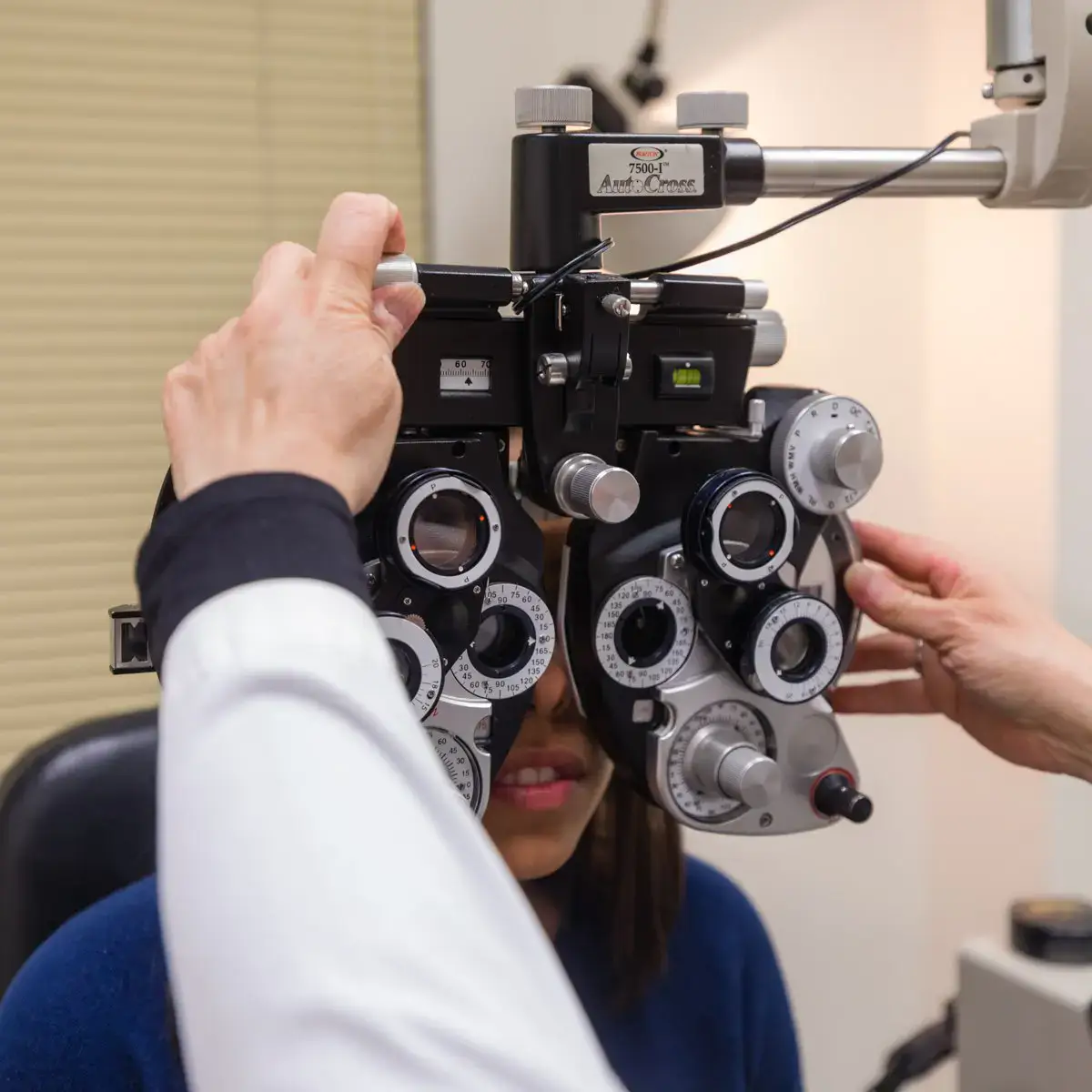
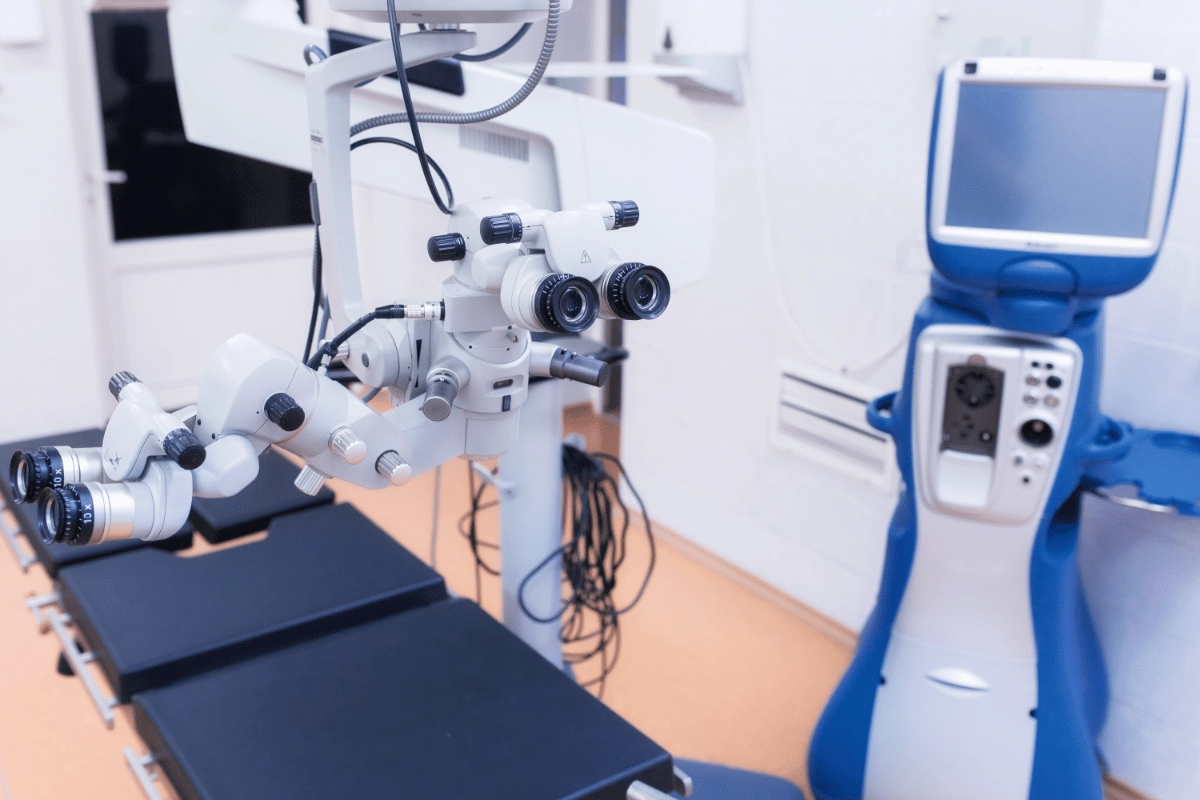

Corneal cross-linking (CXL) is a serious, but highly effective, medical procedure designed to halt the progression of keratoconus. While the term "serious" often implies high risk, CXL is a minimally invasive, outpatient treatment with a strong safety profile. The seriousness lies in the condition it treats, not the surgery itself. Without intervention, keratoconus can lead to significant vision loss and the need for a corneal transplant. The procedure itself involves deliberately weakening the cornea temporarily to allow riboflavin and UV light to strengthen its structure. At Liberty Laser Eye Center, we emphasize that while the recovery period involves some discomfort and temporary light sensitivity, serious complications are rare. For the right candidate, CXL is a crucial, sight-saving step.
As of 2026, the most significant advancement for keratoconus is the expanded availability of customized corneal cross-linking (CXL) combined with topography-guided photorefractive keratectomy (PRK). This combined procedure, often called "CXL Plus," is designed to not only halt the progression of the disease but also to partially flatten the corneal cone, improving visual acuity and reducing the need for rigid contact lenses. At Liberty Laser Eye Center, we are closely following these developments. The integration of higher-resolution imaging and accelerated UV-A delivery protocols is making the procedure faster and more precise. For a detailed look at how these technologies are being refined, please review our internal article titled 2026 Vision Correction Technology Advancements At Liberty Laser Eye Center. This approach represents a major step forward in managing keratoconus, offering patients a more comprehensive treatment strategy than traditional CXL alone.
Insurance coverage for corneal crosslinking (CXL) depends on your specific plan and diagnosis. Most major medical insurers, including those serving Vienna and Fairfax County, typically cover CXL when it is deemed medically necessary for progressive keratoconus or post-LASIK ectasia. However, coverage is rarely automatic. Your provider will usually require prior authorization, documented evidence of disease progression (such as repeated corneal topography scans), and a referral from your ophthalmologist. Vision plans generally do not cover this procedure, as it is considered medical, not routine, eye care. At Liberty Laser Eye Center, our team can help you verify your benefits and submit the necessary documentation to your insurer to maximize your chances of approval. Always confirm your out-of-pocket costs, including copays and deductibles, before scheduling.
Recovery from corneal cross-linking (CXL) is a gradual process, and while the initial healing phase is relatively short, full visual stabilization takes longer. Most patients experience significant discomfort, light sensitivity, and blurred vision for the first 3 to 5 days. The surface epithelium typically heals within one week, after which you can resume most daily activities, though vision remains hazy. Over the following 1 to 3 months, the cornea continues to remodel, and your vision will progressively sharpen. Final visual outcomes are usually assessed at the 6-month mark. At Liberty Laser Eye Center, we provide a detailed post-operative plan, including protective contact lenses and specific eye drops, to ensure a smooth and monitored recovery. Always follow your surgeon's specific timeline for the best results.
Corneal cross-linking (CXL) recovery typically spans a few days to several weeks, but full visual stabilization can take 3 to 6 months. In the first 24 to 48 hours, you will experience significant light sensitivity, tearing, and a gritty sensation as the epithelial layer heals. Most patients return to non-strenuous work within 3 to 5 days, while contact sports and swimming are restricted for at least a month. Vision will fluctuate and remain blurry for several weeks as the cornea remodels. For those considering CXL for keratoconus, combining it with topography-guided LASIK can offer a more comprehensive visual outcome. At Liberty Laser Eye Center, we recommend reviewing our internal article, The Washingtonian’s Guide To Combining Topography-Guided LASIK With Cross-Linking For Keratoconus, available at The Washingtonian’s Guide To Combining Topography-Guided LASIK With Cross-Linking For Keratoconus, to understand the full recovery timeline and long-term expectations.
Corneal cross-linking (CXL) is a minimally invasive procedure designed to halt the progression of keratoconus and other corneal ectasias. By applying riboflavin (vitamin B2) drops and activating them with ultraviolet light, the treatment strengthens the corneal collagen fibers, preventing further bulging and vision loss. This is typically an outpatient procedure performed under topical anesthesia, with a recovery period involving a bandage contact lens and several weeks of cautious activity. At Liberty Laser Eye Center, we evaluate candidates based on corneal thickness and curvature stability. For patients seeking a combined approach, our internal article titled ‘The Washingtonian’s Guide To Combining Topography-Guided LASIK With Cross-Linking For Keratoconus’ is available here: The Washingtonian’s Guide To Combining Topography-Guided LASIK With Cross-Linking For Keratoconus. This resource explains how CXL can be paired with vision correction to optimize outcomes.
Corneal cross-linking (CXL) is often considered medically necessary for progressive keratoconus, and many insurance plans, including those in Virginia, do provide coverage when specific criteria are met. Typically, insurers require documented evidence of disease progression, such as corneal thinning or steepening over a set period, along with a comprehensive eye exam. However, coverage varies widely by plan, and pre-authorization is almost always required. At Liberty Laser Eye Center, we frequently help patients navigate these requirements. For those with CareFirst BCBS in DC, Maryland, or Virginia, understanding the specific documentation and approval steps is crucial. We highly recommend reviewing our internal article, The Complete Checklist For Getting Corneal Cross-Linking Covered By CareFirst BCBS In DC, Maryland, And Virginia, to ensure you meet all necessary criteria before proceeding with treatment.



125 reviews