

Juggling three toddlers while dealing with chronic burning eyes was an absolute nightmare. I finally found this Vienna clinic for Dry Eye Treatment. I booked my appointment online at two in the morning. The relief I felt after my visit was instantaneous.

Scheduling my Presby LASIK in Alexandria took five minutes online and finally got rid of my annoying reading glasses.

As a firefighter in Arlington I could not risk a corneal flap so I went with Advanced PRK. They handed me a flat quote upfront with zero hidden fees.

The Dunn Loring clinic calendar got me in instantly for Advanced PRK and their final bill matched the upfront quote perfectly.

I had been wearing glasses since I was a kid and finally decided it was time for a change. The team explained every step before the procedure and made sure I was completely comfortable. Recovery was easier than I expected, and my vision is now sharper than ever.

Everyone at the clinic made me feel comfortable from the moment I walked in. They were friendly, knowledgeable, and always willing to answer my questions. I never felt pressured into making a decision, which made the experience even better. I'm thrilled with my results

My vision had been getting worse every year, so I finally decided to schedule a consultation here. The testing was very thorough, and the doctor explained every result in a way that was easy to understand. The procedure was smooth, and I noticed a huge improvement in my eyesight the very next day.

I was impressed by how detailed the initial evaluation was before recommending treatment. They took the time to make sure I was a suitable candidate instead of rushing into surgery. That level of care gave me complete confidence. Everything went smoothly, and my vision has been excellent ever since.

The whole process was easy and the results was life-changing. This clinic is simple and the best and I would highly recommend this Eye Clinic.

This place combines advanced technology with genuinely caring service. The diagnostics were incredibly detailed and helped me understand my vision problems much better. Staff members were friendly, knowledgeable, and very reassuring throughout the process. Overall an outstanding experience.
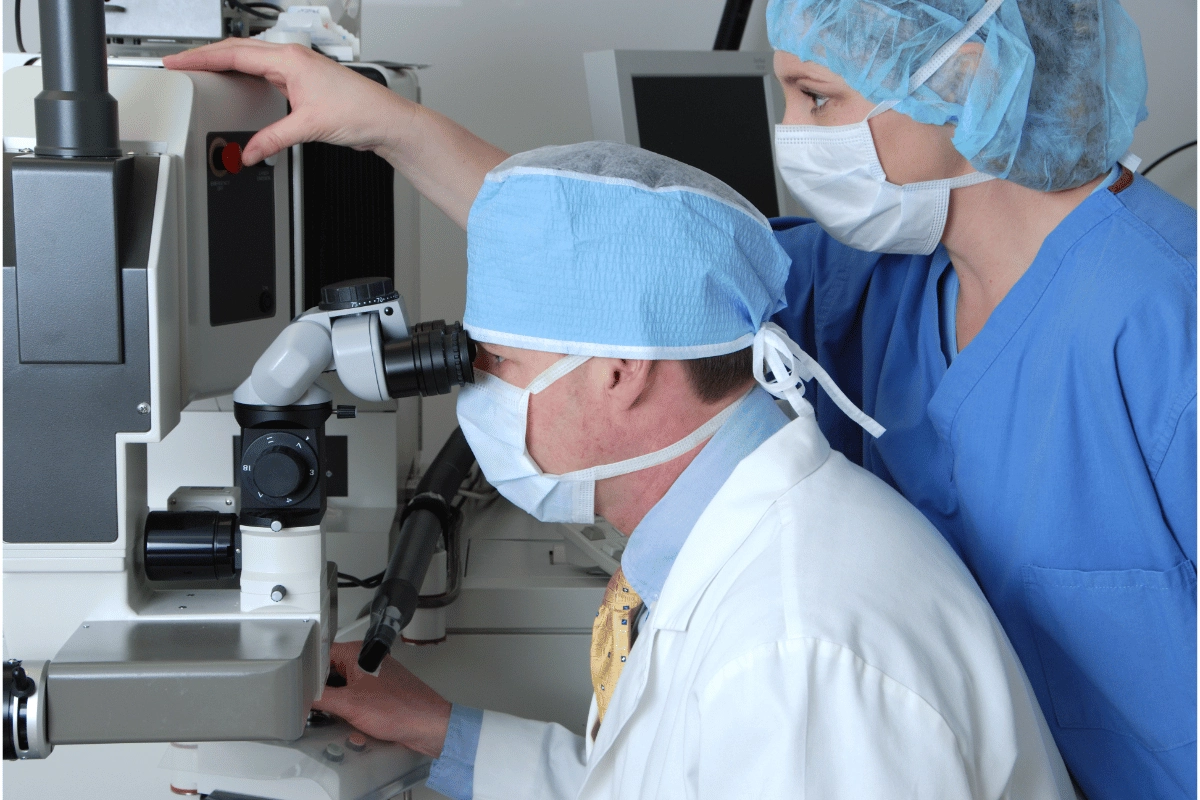
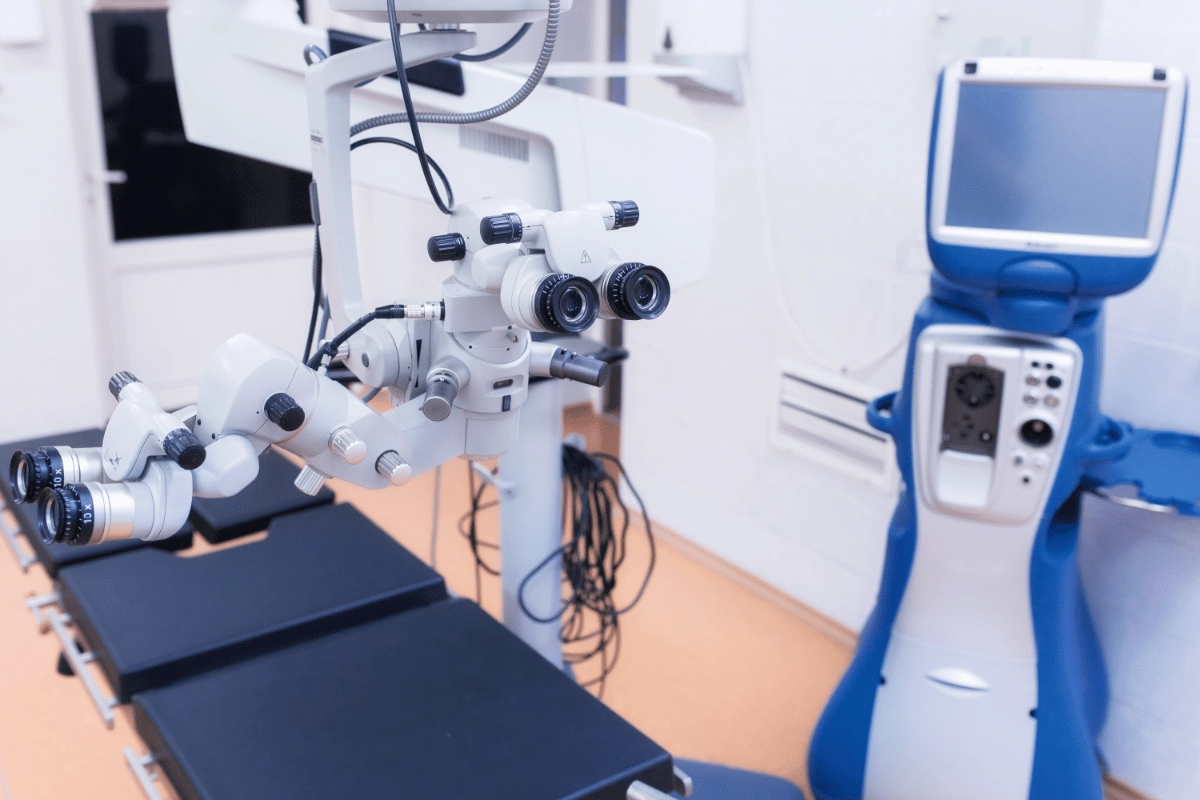


Cornea cross-linking (CXL) is a procedure to halt the progression of keratoconus, and its cost typically ranges from $2,500 to $4,000 per eye in the United States. This fee generally covers the surgeon's fee, the use of riboflavin (vitamin B2) drops, and the specialized ultraviolet light equipment. However, the total out-of-pocket expense can be higher when factoring in pre-operative testing, such as corneal topography and pachymetry, as well as post-operative follow-up visits. Since CXL is often considered medically necessary, many insurance plans may cover a portion of the cost, particularly if the condition is documented as worsening. At Liberty Laser Eye Center, we recommend a comprehensive consultation to provide a precise estimate based on your specific corneal thickness and curvature, as these factors can influence the exact technique required.
Yes, most major medical insurance plans, including Medicare and Medicaid, typically cover corneal crosslinking (CXL) when it is deemed medically necessary for progressive keratoconus or post-LASIK ectasia. However, coverage is not automatic. Your insurer will usually require documentation of documented progression, such as repeated corneal topography scans showing worsening steepening. Prior authorization is essential, and out-of-pocket costs can vary significantly if your plan has exclusions. At Liberty Laser Eye Center, our team routinely verifies benefits and handles the pre-authorization paperwork to help clarify your specific deductible, copay, and coverage limits before scheduling the procedure. We recommend contacting your insurer directly for a definitive breakdown of your personal financial responsibility.
Corneal cross-linking (CXL) is generally considered highly worthwhile for patients with progressive keratoconus or post-LASIK ectasia. The primary goal is not to improve vision but to halt the disease, preventing further thinning and scarring that would necessitate a corneal transplant. By strengthening the corneal structure, CXL preserves your existing vision and often makes contact lens fitting more comfortable and stable. At Liberty Laser Eye Center, we emphasize that the procedure is a preventive measure, not a vision correction. Most patients find it invaluable because it protects their long-term ocular health. However, the decision depends on your specific progression rate and age. A comprehensive evaluation is essential to determine if you are a suitable candidate and if the benefits outweigh the risks for your individual case.
As of now, the most advanced and widely adopted treatment for progressive keratoconus remains corneal cross-linking (CXL), which strengthens the corneal structure to halt the disease. For 2026, the focus is on refining this procedure with accelerated protocols and topography-guided customization to improve visual outcomes. Additionally, the field is moving toward combining CXL with advanced intrastromal corneal ring segments (ICRS) or custom contact lenses for better vision restoration. At Liberty Laser Eye Center, we closely monitor these developments to offer our patients in Vienna and Fairfax County the safest, most effective options. For a detailed look at what is on the horizon, please see our internal article: 2026 Vision Correction Technology Advancements At Liberty Laser Eye Center. Always consult with your eye care specialist to determine candidacy for any emerging therapy.
At Liberty Laser Eye Center, we often discuss the success rate of corneal cross-linking (CXL), which is remarkably high. Clinical studies show that the primary goal of CXL—halting the progression of keratoconus—is achieved in over 95% of cases. The procedure works by strengthening corneal collagen fibers to prevent further bulging and vision loss. While CXL rarely reverses existing damage, it is exceptionally effective at stabilizing the cornea. Success is typically measured by the absence of further steepening on topography scans over a 2-5 year period. For patients seeking to improve vision after stabilization, combining CXL with topography-guided LASIK can be transformative. For a deeper look at this combined approach, we recommend reading our internal article, The Washingtonian’s Guide To Combining Topography-Guided LASIK With Cross-Linking For Keratoconus, available here: The Washingtonian’s Guide To Combining Topography-Guided LASIK With Cross-Linking For Keratoconus. Your individual prognosis will depend on your age, corneal thickness, and disease stage.
The cost of corneal cross-linking (CXL) with insurance varies significantly based on your specific plan, deductible, and out-of-pocket maximum. Typically, if your insurer deems the procedure medically necessary for progressive keratoconus, they may cover a large portion after you meet your deductible. However, copays, coinsurance, and facility fees can still apply. At Liberty Laser Eye Center, we recommend contacting your provider to confirm pre-authorization requirements. For patients in our service area, understanding your specific benefits is crucial. To help you navigate coverage with CareFirst BCBS, we have prepared a detailed guide. Please review our internal article, The Complete Checklist For Getting Corneal Cross-Linking Covered By CareFirst BCBS In DC, Maryland, And Virginia, which outlines the exact steps and documentation needed to maximize your coverage. This resource will help you anticipate potential out-of-pocket expenses before scheduling.
Corneal cross-linking (CXL) is a medically necessary procedure for progressive keratoconus, and many insurance plans do provide coverage when specific criteria are met. Typically, insurers require documented evidence of disease progression, such as repeated corneal topography scans showing steepening, along with a confirmed diagnosis. Coverage varies significantly by provider and policy, so pre-authorization is essential. At Liberty Laser Eye Center, we guide patients through this process. For those with CareFirst BCBS in our region, we have prepared a detailed resource to help you navigate the approval steps. You can access our internal article titled 'The Complete Checklist For Getting Corneal Cross-Linking Covered By CareFirst BCBS In DC, Maryland, And Virginia' via this link: The Complete Checklist For Getting Corneal Cross-Linking Covered By CareFirst BCBS In DC, Maryland, And Virginia. This checklist outlines the required documentation and clinical proof to strengthen your claim.
Cross-linking (CXL) is primarily a stabilizing procedure, not a vision-improving one. Its main goal is to halt the progression of keratoconus by strengthening the corneal structure. While some patients experience a slight improvement in corneal shape and visual acuity, the primary outcome is preventing further deterioration. For significant vision correction, CXL is often combined with refractive procedures. At Liberty Laser Eye Center, we frequently discuss how topography-guided LASIK can be performed after stabilization to reshape the cornea. For a detailed look at this combined approach, please refer to our internal article titled The Washingtonian’s Guide To Combining Topography-Guided LASIK With Cross-Linking For Keratoconus. Ultimately, your candidacy depends on corneal thickness and disease stability, so a comprehensive evaluation is essential.
The natural aging process involves the gradual cross-linking of collagen fibers in various tissues, which can lead to stiffness and reduced elasticity in skin, joints, and blood vessels. In the eye, however, this same biochemical principle is harnessed therapeutically. Corneal cross-linking (CXL) is a procedure that uses riboflavin and UV light to intentionally strengthen corneal collagen, halting the progression of keratoconus. While age-related cross-linking is often detrimental, this controlled application stabilizes the cornea. At Liberty Laser Eye Center, we evaluate each patient's corneal thickness and age to determine candidacy. For those with progressive keratoconus, combining CXL with topography-guided LASIK can reshape the cornea effectively. For a deeper understanding of this advanced approach, please refer to our internal article titled The Washingtonian’s Guide To Combining Topography-Guided LASIK With Cross-Linking For Keratoconus.



125 reviews