

Scheduling my Presby LASIK in Alexandria took five minutes online and finally got rid of my annoying reading glasses.

As a firefighter in Arlington I could not risk a corneal flap so I went with Advanced PRK. They handed me a flat quote upfront with zero hidden fees.

The Dunn Loring clinic calendar got me in instantly for Advanced PRK and their final bill matched the upfront quote perfectly.

I had been wearing glasses since I was a kid and finally decided it was time for a change. The team explained every step before the procedure and made sure I was completely comfortable. Recovery was easier than I expected, and my vision is now sharper than ever.

Everyone at the clinic made me feel comfortable from the moment I walked in. They were friendly, knowledgeable, and always willing to answer my questions. I never felt pressured into making a decision, which made the experience even better. I'm thrilled with my results

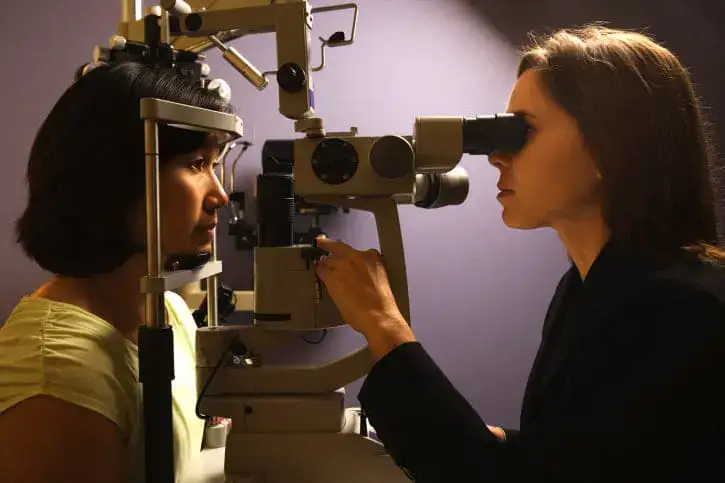
My vision had been getting worse every year, so I finally decided to schedule a consultation here. The testing was very thorough, and the doctor explained every result in a way that was easy to understand. The procedure was smooth, and I noticed a huge improvement in my eyesight the very next day.

I was impressed by how detailed the initial evaluation was before recommending treatment. They took the time to make sure I was a suitable candidate instead of rushing into surgery. That level of care gave me complete confidence. Everything went smoothly, and my vision has been excellent ever since.

The whole process was easy and the results was life-changing. This clinic is simple and the best and I would highly recommend this Eye Clinic.

This place combines advanced technology with genuinely caring service. The diagnostics were incredibly detailed and helped me understand my vision problems much better. Staff members were friendly, knowledgeable, and very reassuring throughout the process. Overall an outstanding experience.

The combination of their advanced technology and the hospitality is what sets them aside. The diagnotics provided were detailed and they helped me make a pre-informed decision for my LASIK.



124 reviews