

The Dunn Loring clinic calendar got me in instantly for Advanced PRK and their final bill matched the upfront quote perfectly.

I had been wearing glasses since I was a kid and finally decided it was time for a change. The team explained every step before the procedure and made sure I was completely comfortable. Recovery was easier than I expected, and my vision is now sharper than ever.

Everyone at the clinic made me feel comfortable from the moment I walked in. They were friendly, knowledgeable, and always willing to answer my questions. I never felt pressured into making a decision, which made the experience even better. I'm thrilled with my results

My vision had been getting worse every year, so I finally decided to schedule a consultation here. The testing was very thorough, and the doctor explained every result in a way that was easy to understand. The procedure was smooth, and I noticed a huge improvement in my eyesight the very next day.

I was impressed by how detailed the initial evaluation was before recommending treatment. They took the time to make sure I was a suitable candidate instead of rushing into surgery. That level of care gave me complete confidence. Everything went smoothly, and my vision has been excellent ever since.

The whole process was easy and the results was life-changing. This clinic is simple and the best and I would highly recommend this Eye Clinic.

This place combines advanced technology with genuinely caring service. The diagnostics were incredibly detailed and helped me understand my vision problems much better. Staff members were friendly, knowledgeable, and very reassuring throughout the process. Overall an outstanding experience.

The combination of their advanced technology and the hospitality is what sets them aside. The diagnotics provided were detailed and they helped me make a pre-informed decision for my LASIK.

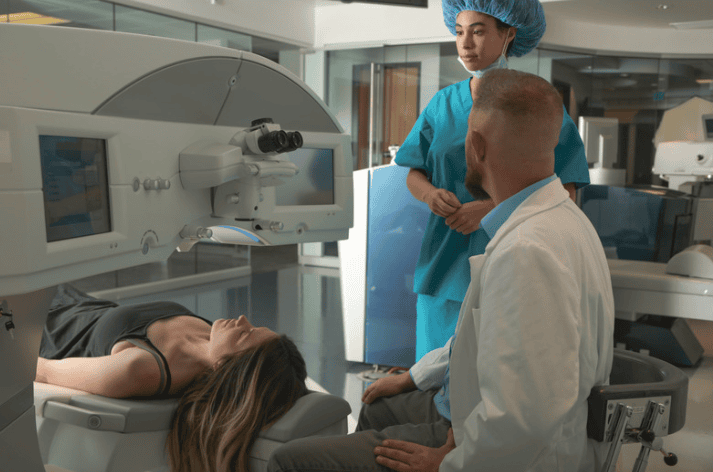

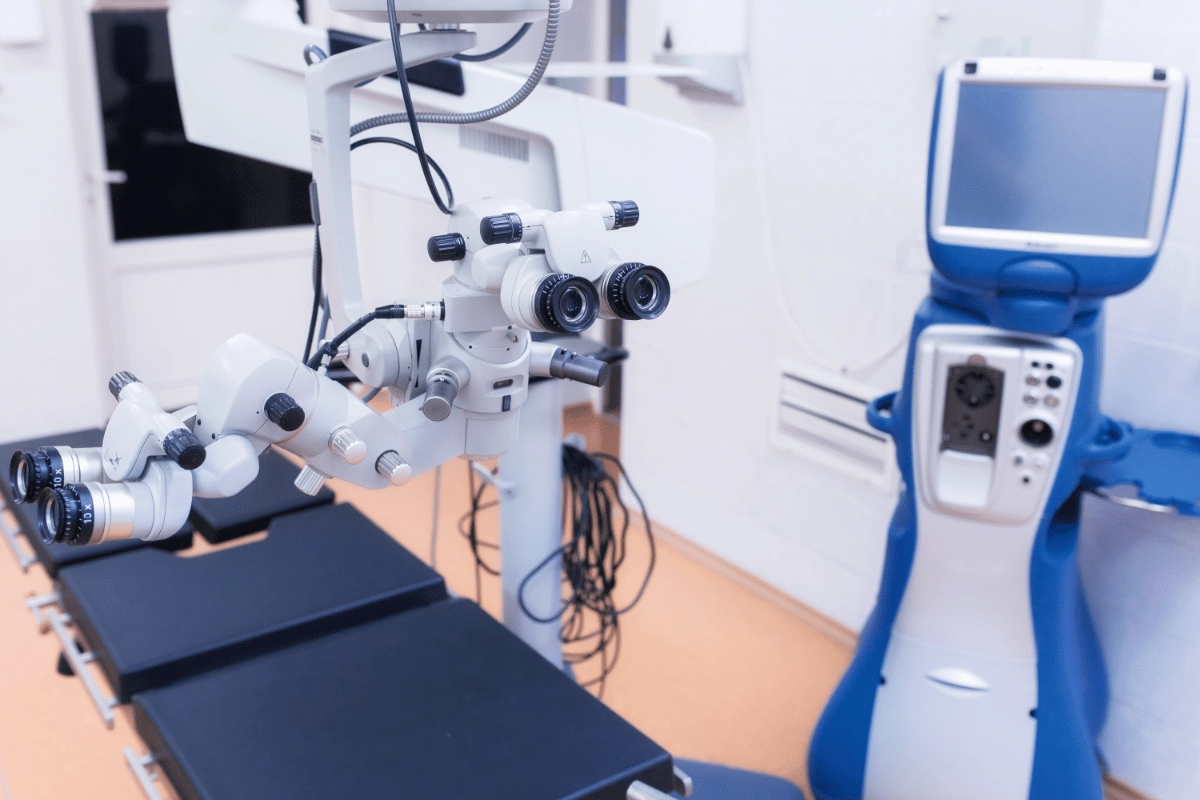
The out of pocket cost for an annual eye exam typically ranges from 50 to 200 dollars, depending on the provider, location, and whether additional testing is needed. A basic vision check often costs less, while a comprehensive exam that includes dilation, retinal imaging, or contact lens fitting may be higher. Insurance plans frequently cover preventive visits, but without coverage you pay the full fee. At Liberty Laser Eye Center, pricing reflects the specific services performed during your visit. Many offices offer package rates or membership plans to reduce costs. To better understand why regular visits matter for your health and budget, review Key Benefits Of Scheduling Annual Eye Exams For The Whole Family. Always ask for a written estimate before scheduling.
An annual eye exam is a comprehensive evaluation of your visual health and overall well-being. It typically begins with a review of your medical history and any vision concerns. The optometrist or ophthalmologist then performs several tests, including visual acuity to measure sharpness, refraction to determine your prescription for glasses or contacts, and eye pressure checks to screen for glaucoma. They also examine the retina, optic nerve, and blood vessels using a dilated pupil or retinal imaging. Color vision, peripheral vision, and eye coordination may also be assessed. These steps help detect conditions like cataracts, macular degeneration, and diabetic retinopathy early. For families in Vienna and Fairfax County, Virginia, Liberty Laser Eye Center provides thorough exams tailored to each age group. To understand why regular visits matter, read our article on Key Benefits Of Scheduling Annual Eye Exams For The Whole Family.
Yes, annual eye exams are essential, even if your vision seems perfect. They are not just about updating your glasses prescription. These exams are critical for detecting silent, sight-threatening conditions like glaucoma, macular degeneration, and diabetic retinopathy, which often show no early symptoms. Furthermore, an eye exam can reveal systemic health issues, including high blood pressure and diabetes, before they are diagnosed by a primary care physician. For contact lens wearers, a yearly check ensures your corneas remain healthy and your fit is still optimal. If you are considering vision correction, a comprehensive baseline exam is your first step. At Liberty Laser Eye Center, we emphasize proactive care. To help you budget for these essential checkups, we recommend reviewing our internal article titled Maximizing Your FSA/HSA For Laser Eye Surgery to understand your benefits better.
In Virginia, the requirement for a vision test when renewing your driver's license depends on your age and license type. Most drivers under the age of 75 are not required to take a vision test at every renewal, but you must self-certify that your vision meets the state's minimum standard. However, if you are 75 or older, a vision screening is mandatory at each renewal. Additionally, if you have a medical condition that affects your eyesight, or if a law enforcement officer or physician reports a vision concern, the Department of Motor Vehicles (DMV) may require a vision exam. For those needing corrective lenses, your license will note this restriction. At Liberty Laser Eye Center, we often remind patients that if you have had laser vision correction, you may still need to update your DMV records to remove the corrective lens restriction. Always check the current Virginia DMV guidelines before your renewal date.



122 reviews
