

The Dunn Loring clinic calendar got me in instantly for Advanced PRK and their final bill matched the upfront quote perfectly.

I had been wearing glasses since I was a kid and finally decided it was time for a change. The team explained every step before the procedure and made sure I was completely comfortable. Recovery was easier than I expected, and my vision is now sharper than ever.

Everyone at the clinic made me feel comfortable from the moment I walked in. They were friendly, knowledgeable, and always willing to answer my questions. I never felt pressured into making a decision, which made the experience even better. I'm thrilled with my results

My vision had been getting worse every year, so I finally decided to schedule a consultation here. The testing was very thorough, and the doctor explained every result in a way that was easy to understand. The procedure was smooth, and I noticed a huge improvement in my eyesight the very next day.

I was impressed by how detailed the initial evaluation was before recommending treatment. They took the time to make sure I was a suitable candidate instead of rushing into surgery. That level of care gave me complete confidence. Everything went smoothly, and my vision has been excellent ever since.

The whole process was easy and the results was life-changing. This clinic is simple and the best and I would highly recommend this Eye Clinic.

This place combines advanced technology with genuinely caring service. The diagnostics were incredibly detailed and helped me understand my vision problems much better. Staff members were friendly, knowledgeable, and very reassuring throughout the process. Overall an outstanding experience.

The combination of their advanced technology and the hospitality is what sets them aside. The diagnotics provided were detailed and they helped me make a pre-informed decision for my LASIK.
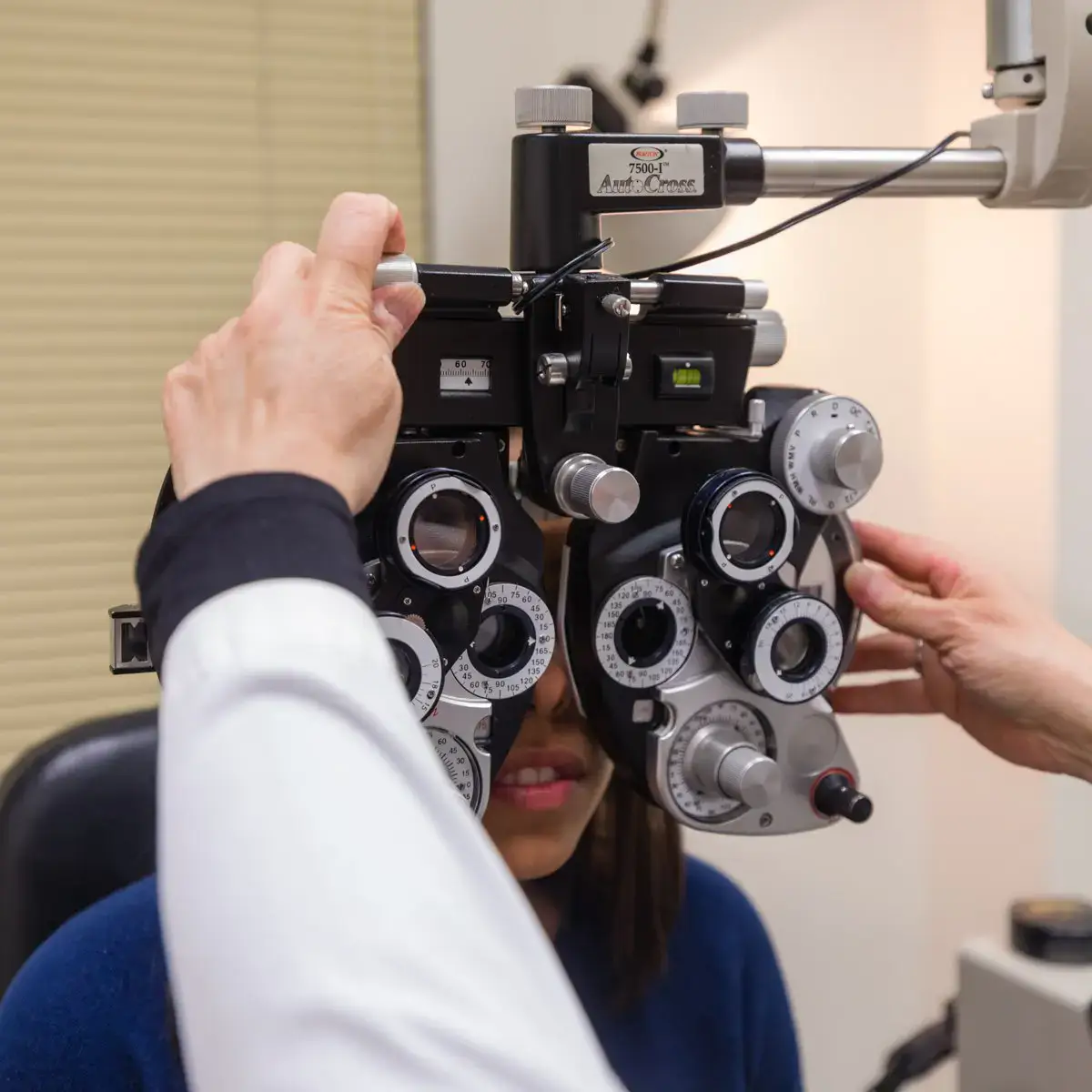
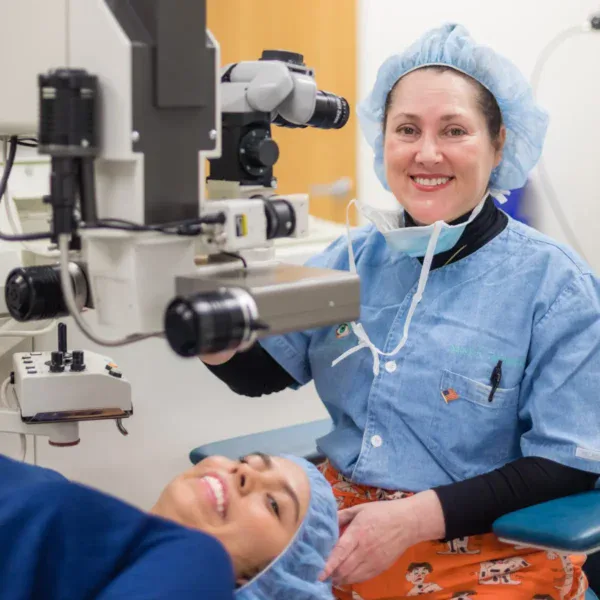
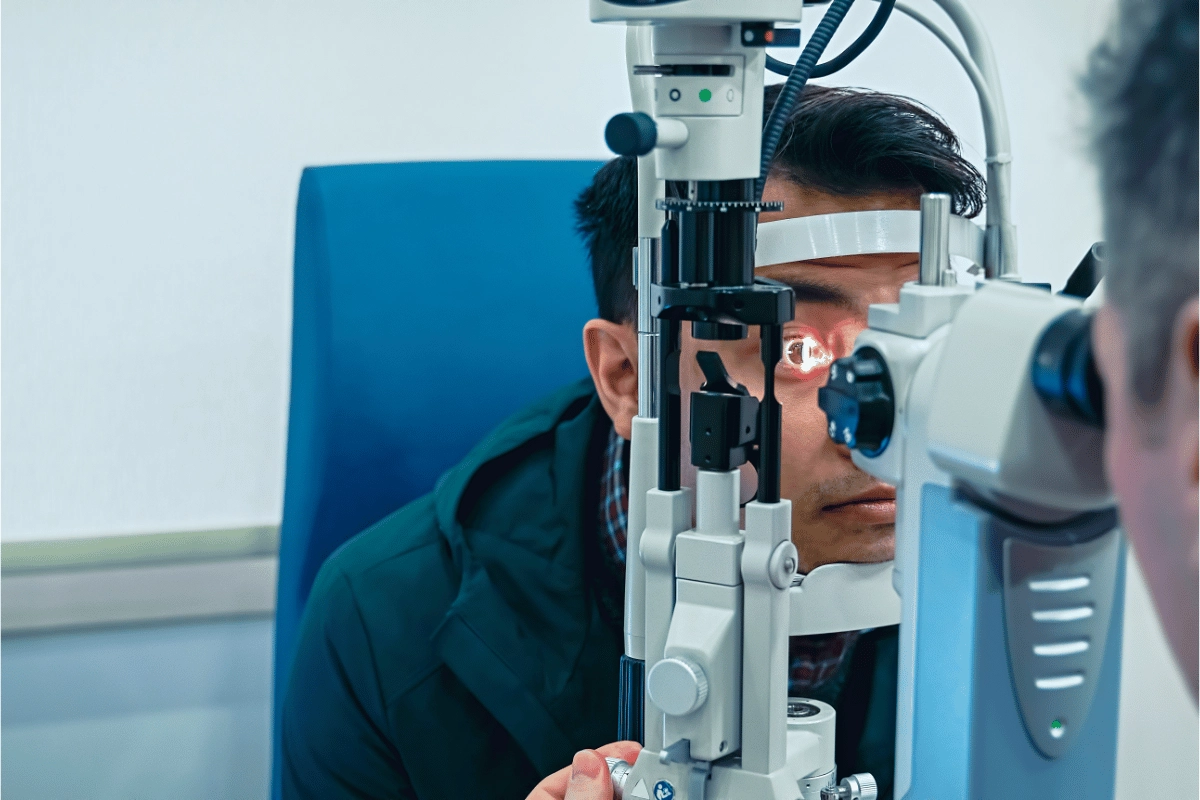

The out of pocket cost for an annual eye exam varies based on the provider, location, and the specific tests performed. In the Vienna and Fairfax County area, a standard comprehensive exam typically ranges from 100 to 250 dollars without insurance. This fee often covers visual acuity testing, refraction, and a basic eye health evaluation. Additional tests, such as retinal imaging or visual field testing, may increase the total. Many offices offer package pricing or membership plans to help manage costs. For families, scheduling routine visits is essential for early detection of issues. To understand the value of regular checkups, read our article on Key Benefits Of Scheduling Annual Eye Exams For The Whole Family. At Liberty Laser Eye Center, we provide transparent pricing and personalized care.
For a thorough eye exam and a reliable pair of glasses, look for a practice that combines advanced diagnostic technology with an on-site optical dispensary. A comprehensive exam should check more than just your prescription. It needs to evaluate eye pressure, retinal health, and overall vision function. When the exam and the eyewear selection happen in one location, the optometrist can fine-tune lens options to match your daily needs, whether that means computer glasses, progressive lenses, or specialty coatings. In the Vienna and Fairfax County area, Liberty Laser Eye Center offers this kind of integrated care. You can also read Patient Reviews And Experiences At Vienna Eyecare Center to learn how other patients describe their visits and frame selection experience.
A yearly eye exam is most commonly called a comprehensive eye exam or a routine eye examination. During this visit, an eye care professional checks your visual acuity, eye pressure, and the overall health of your eyes. These appointments are important because they can reveal early signs of conditions such as glaucoma, diabetic retinopathy, and macular degeneration. They may also uncover broader health concerns. For a closer look at how these visits support your overall well-being, read How Routine Eye Exams Can Detect High Cholesterol And Other Health Issues. At Liberty Laser Eye Center, patients in the Vienna and Fairfax County area can schedule a yearly exam to protect their vision and long-term eye health.
Yes, for most adults, an annual eye exam is essential, even if your vision seems perfect. These exams do more than check your prescription; they are critical for detecting early signs of serious health conditions like glaucoma, cataracts, and macular degeneration, which often show no symptoms in their initial stages. For those with diabetes or high blood pressure, the eyes can reveal early vascular changes. At Liberty Laser Eye Center, we recommend a yearly check-up to monitor your ocular health and ensure your prescription is current. If you are considering vision correction, an exam is the first step. To help you plan for the cost, our internal article titled Maximizing Your FSA/HSA For Laser Eye Surgery offers valuable guidance on using your benefits effectively.



122 reviews
