

Juggling three toddlers while dealing with chronic burning eyes was an absolute nightmare. I finally found this Vienna clinic for Dry Eye Treatment. I booked my appointment online at two in the morning. The relief I felt after my visit was instantaneous.

Scheduling my Presby LASIK in Alexandria took five minutes online and finally got rid of my annoying reading glasses.

As a firefighter in Arlington I could not risk a corneal flap so I went with Advanced PRK. They handed me a flat quote upfront with zero hidden fees.

The Dunn Loring clinic calendar got me in instantly for Advanced PRK and their final bill matched the upfront quote perfectly.

I had been wearing glasses since I was a kid and finally decided it was time for a change. The team explained every step before the procedure and made sure I was completely comfortable. Recovery was easier than I expected, and my vision is now sharper than ever.

Everyone at the clinic made me feel comfortable from the moment I walked in. They were friendly, knowledgeable, and always willing to answer my questions. I never felt pressured into making a decision, which made the experience even better. I'm thrilled with my results

My vision had been getting worse every year, so I finally decided to schedule a consultation here. The testing was very thorough, and the doctor explained every result in a way that was easy to understand. The procedure was smooth, and I noticed a huge improvement in my eyesight the very next day.

I was impressed by how detailed the initial evaluation was before recommending treatment. They took the time to make sure I was a suitable candidate instead of rushing into surgery. That level of care gave me complete confidence. Everything went smoothly, and my vision has been excellent ever since.

The whole process was easy and the results was life-changing. This clinic is simple and the best and I would highly recommend this Eye Clinic.

This place combines advanced technology with genuinely caring service. The diagnostics were incredibly detailed and helped me understand my vision problems much better. Staff members were friendly, knowledgeable, and very reassuring throughout the process. Overall an outstanding experience.


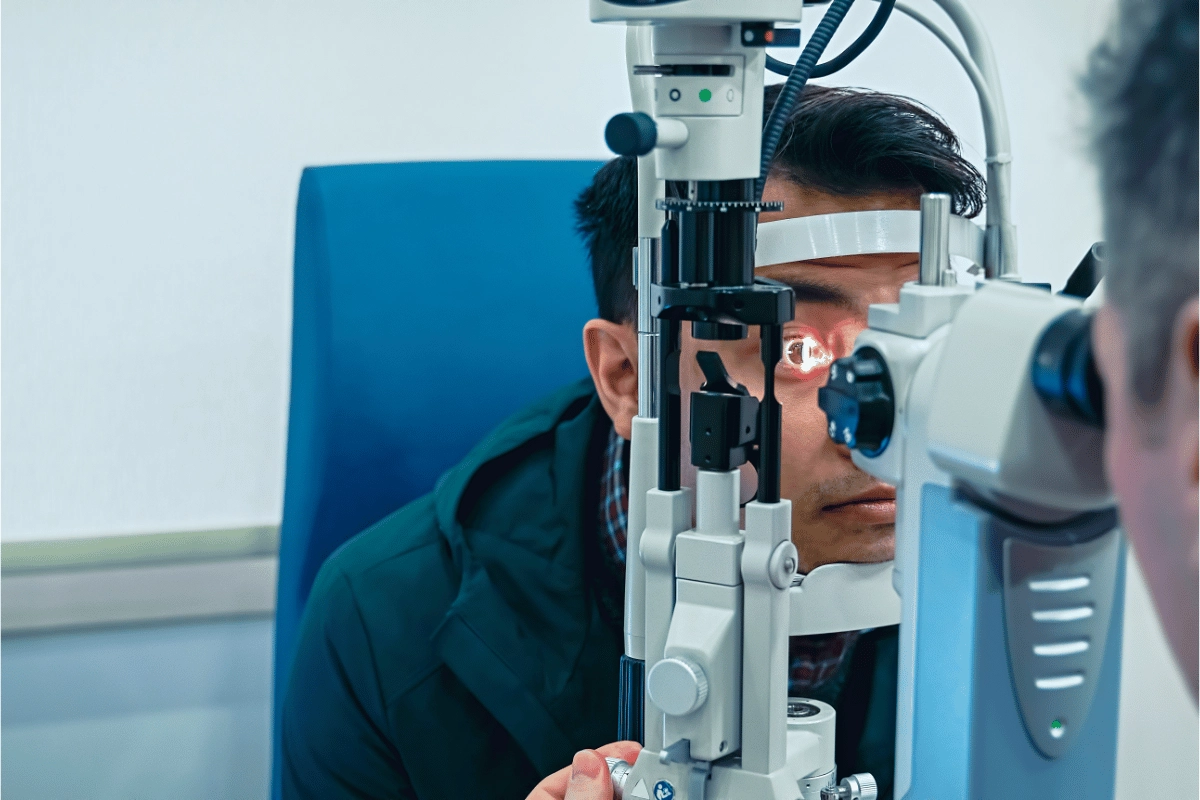
Cornea cross-linking (CXL) is a procedure to halt the progression of keratoconus, and the cost typically ranges from $2,500 to $4,000 per eye in the United States. This fee generally covers the surgeon's fee, the riboflavin solution, and the specialized ultraviolet light equipment. However, it often does not include the initial consultation, diagnostic imaging (like topography), or post-operative medications. Because CXL is considered a medically necessary procedure to prevent vision loss, many insurance plans, including Medicare, may cover a significant portion of the cost. At Liberty Laser Eye Center, we recommend contacting your insurer for pre-authorization. For a detailed breakdown of potential coverage, including options for veterans, please refer to our internal article titled Does The VA Cover LASIK? Detailed Guide 2025.
As of 2026, the most significant advancement for keratoconus is the expanded availability of accelerated corneal cross-linking (CXL) combined with topography-guided photorefractive keratectomy (TG-PRK). This combined procedure not only halts the progression of the disease but also reshapes the cornea to improve visual acuity, reducing the need for rigid contact lenses. At Liberty Laser Eye Center, our specialists are integrating these newer protocols to offer more precise, faster recovery times. For a detailed look at how these technologies are evolving, please see our internal article 2026 Vision Correction Technology Advancements At Liberty Laser Eye Center. Early intervention remains key, so a comprehensive corneal topography exam is essential to determine candidacy.
Insurance coverage for corneal crosslinking (CXL) depends on your specific plan and diagnosis. Most major medical insurers, including those serving Vienna and Fairfax County, Virginia, typically cover CXL when it is deemed medically necessary for progressive keratoconus or post-LASIK ectasia. However, coverage is rarely automatic. Your provider must submit prior authorization with documentation of corneal topography showing progression. Vision plans usually do not cover this procedure, as it is considered medical, not routine, eye care. At Liberty Laser Eye Center, our team handles the pre-authorization process for you, verifying your benefits and appealing denials when needed. We recommend contacting your insurer directly to confirm your deductible, copay, and out-of-pocket maximum, as these will influence your final cost. Always ask for a written benefits breakdown before scheduling.
Corneal cross-linking (CXL) is widely considered a highly worthwhile procedure for patients with progressive keratoconus or post-LASIK ectasia. Its primary goal is not to improve vision but to halt the relentless thinning and bulging of the cornea, preventing the need for a future corneal transplant. By strengthening the corneal structure with riboflavin and UV light, CXL offers a proven, minimally invasive way to stabilize your vision. While you may still need glasses or contact lenses afterward, the procedure stops the disease in its tracks. At Liberty Laser Eye Center, we recommend CXL when diagnostic scans confirm progression, as the long-term benefit of preserving your natural cornea far outweighs the risks of inaction.



125 reviews