
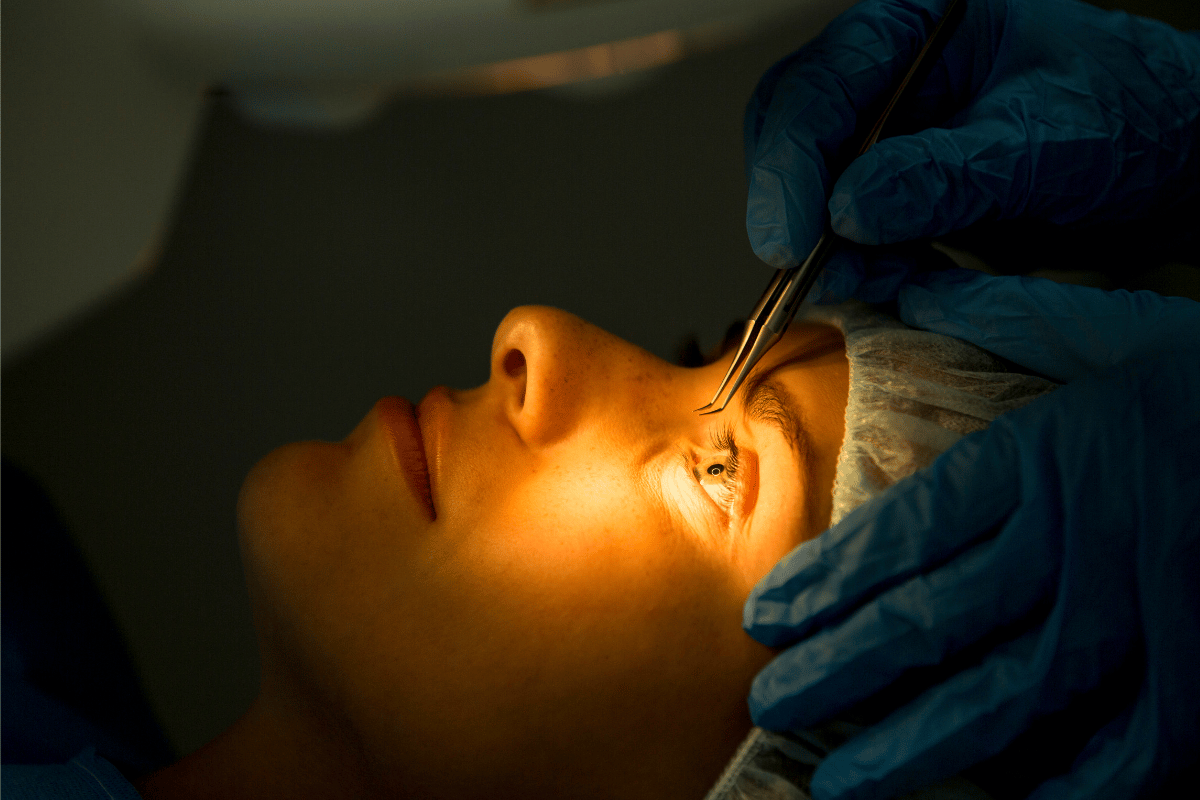
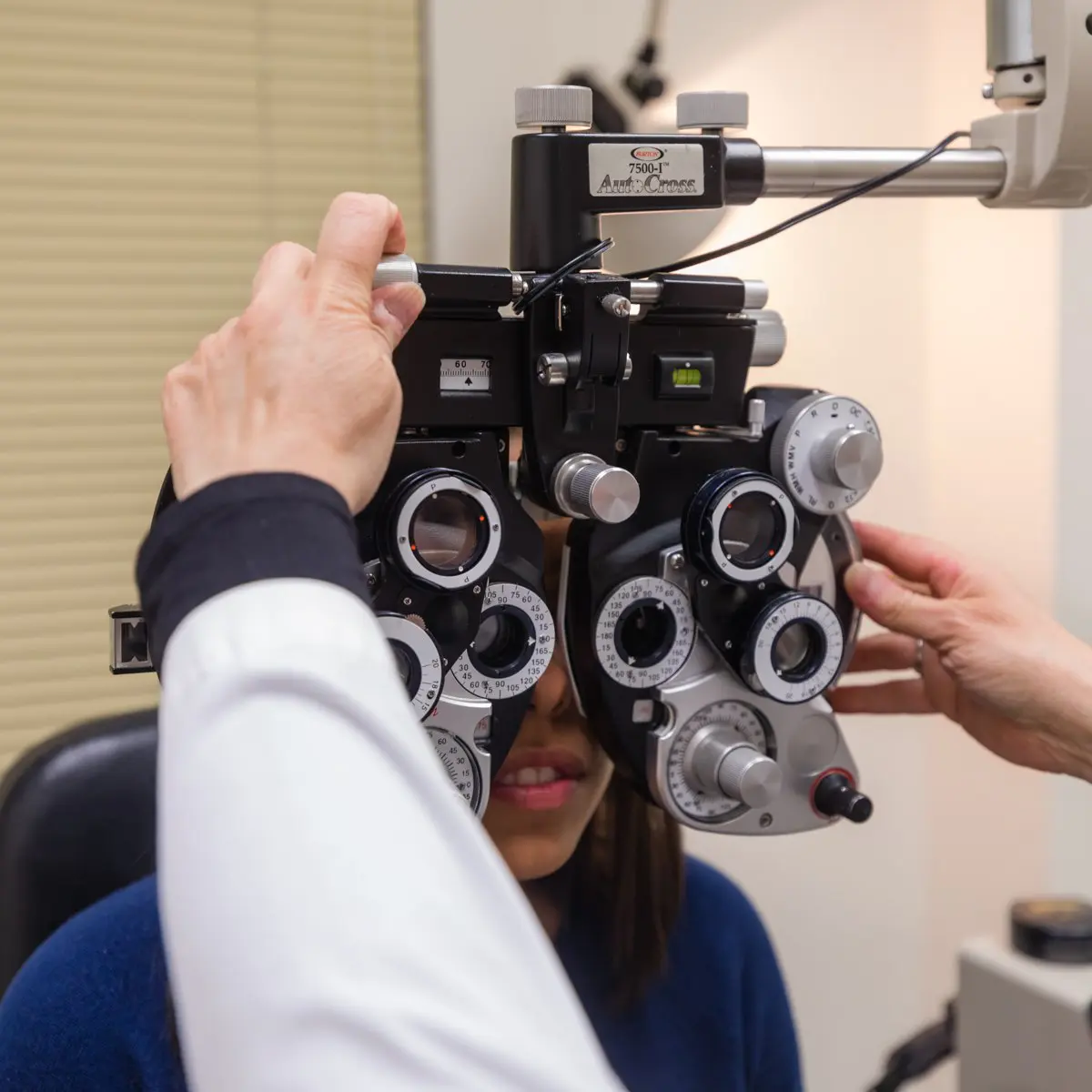
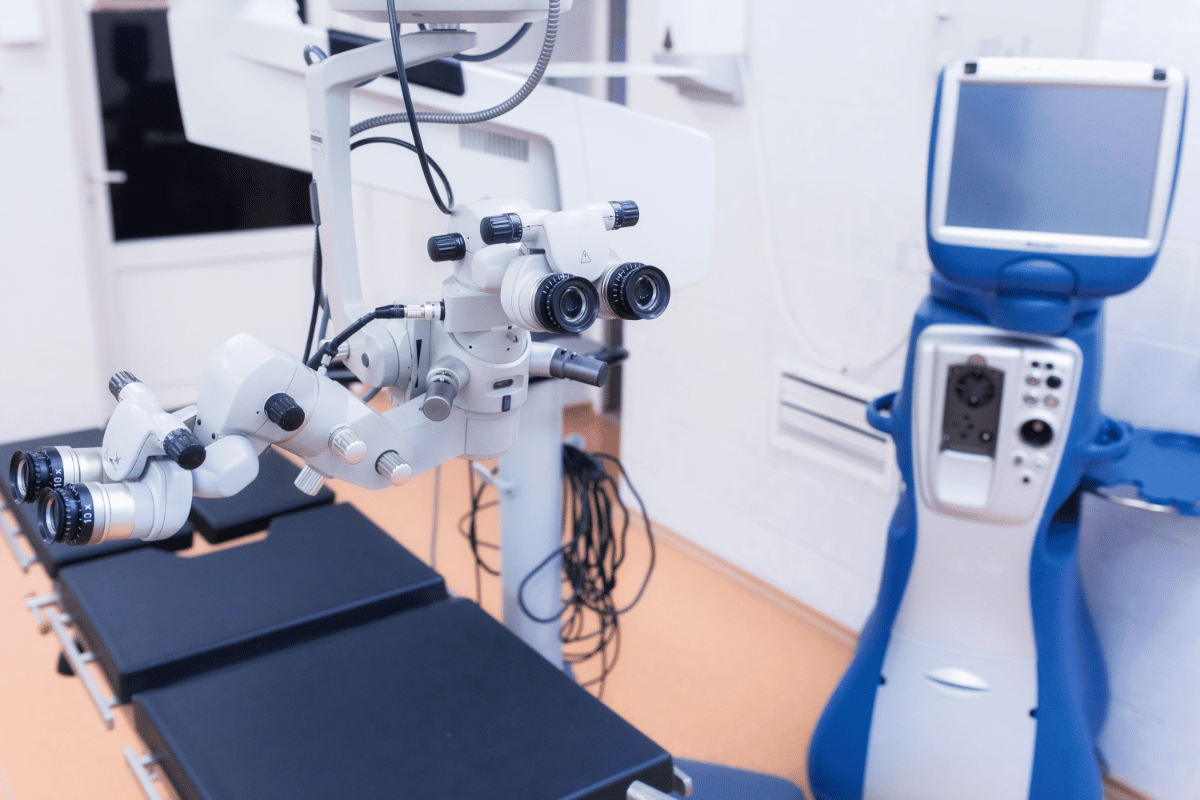


I had a great experience at Liberty Laser Eye Center. Dr. Nancy Tanchel and her entire team were extremely professional, kind, and made me feel comfortable throughout the whole process. They explained everything clearly and answered all of my questions, which really helped me feel confident before the procedure.
The surgery went smoothly and the staff was very supportive from start to finish. I’m very grateful to Dr. Tanchel and her team for their excellent care and professionalism.
Thank you all for helping me improve my vision. I truly appreciate the great work you do.

My vision wasn't terrible, but I was just sick of dealing with the hassle of contacts for sports until I came here. Great and professional business

I had a really good experience at Liberty Laser Eye Center. The staff was friendly and made me feel comfortable the whole time. The procedure was quick, and my vision is so much better now.

Informative staff offering careful evaluations and supportive patient care throughout the process.

Having LASIK surgery was the best thing I have ever done. Waking up every morning with the ability to see 20/20 without having to reach for my glasses or contacts is the ultimate freedom. The surgery was painless and the staff was incredible. I highly recommend it so don't wait!

Brought My grandmother for her eye exam. Jeeimy helped us and explained in detail such amazing team.

I’d been thinking about LASIK for years but kept putting it off out of sheer nervousness. The staff at Liberty are some of the kindest and most patient people I’ve ever met. It’s been a few months and I’m still not used to the freedom of just rolling out of bed and seeing.

I consider this the best investment I've ever made in myself, no question about it. The freedom of just rolling out of bed and being able to see is something I'll never take for granted.
While specific treatments for 2026 are still under development and subject to clinical trials, the most significant advancement for keratoconus management is the continued refinement and broader application of corneal cross-linking (CXL). This procedure, which strengthens corneal collagen to halt progression, remains the standard of care. Looking ahead, 2026 will likely see enhanced protocols combining CXL with other technologies. Key innovations include transepithelial cross-linking techniques that may improve patient comfort and recovery time, and the integration of topography-guided laser treatments performed concurrently with CXL to not only stabilize but also improve vision by smoothing the corneal surface. The use of customized intracorneal ring segments, planned with advanced imaging, is also evolving to better regularize corneal shape in more advanced cases.
CXL (corneal cross-linking) surgery is often covered by insurance, but coverage is highly dependent on the specific diagnosis and your insurance plan. Most major insurance providers, including Medicare, typically cover CXL when it is deemed medically necessary to treat progressive keratoconus, a condition where the cornea thins and bulges outward. Coverage for other conditions, such as post-LASIK ectasia, may vary. It is crucial to obtain a formal pre-authorization from your insurance company before the procedure. Our practice assists patients by verifying benefits, submitting necessary medical documentation, and navigating the approval process to determine your exact out-of-pocket costs.
Crosslinking, while a highly effective procedure to halt the progression of keratoconus and other corneal ectasias, does have potential disadvantages. The primary drawbacks involve the recovery process and potential side effects. Patients often experience significant discomfort, light sensitivity, and blurred vision for several days post-procedure. There is a risk of complications such as corneal haze, infection, or delayed healing, though these are uncommon with proper surgical technique and post-operative care. The procedure is not typically intended to improve vision but to stabilize the cornea, meaning patients may still require contact lenses or glasses. In rare cases, over-treatment could lead to corneal flattening. A thorough pre-operative evaluation by a qualified surgeon is essential to minimize these risks and determine if the benefits outweigh the potential disadvantages for each individual patient.
Several notable individuals have been open about their diagnosis of keratoconus, helping to raise awareness of this corneal condition. One of the most famous is actor and filmmaker John H. Mayer, who has spoken publicly about his journey with the disease, including undergoing corneal cross-linking treatment. Professional baseball player Juan Uribe also has keratoconus. Their experiences highlight that the condition can affect anyone, regardless of profession. Public figures discussing their treatment—which can range from specialized contact lenses to procedures like Intacs or corneal transplants—help demystify keratoconus and encourage others to seek early diagnosis and modern management options from a qualified ophthalmologist.
Yes, you can use your phone after corneal cross-linking, but with important restrictions to protect your healing eyes. You should avoid using phones, computers, and other digital screens for at least the first 24-48 hours after the procedure. During this initial period, your eyes will be very light-sensitive, prone to tearing, and need rest. Even after that, screen use should be limited and done with caution. It is crucial to follow your surgeon's specific instructions, which often include wearing protective sunglasses indoors, using prescribed medicated eye drops to prevent infection and inflammation, and taking frequent breaks if you must use a screen. The full healing process takes several weeks, and protecting your eyes from strain is essential for a successful outcome.
Finding the best keratoconus specialist involves seeking a corneal specialist or ophthalmologist with advanced training in corneal diseases and ectatic disorders. Look for a practice that offers a comprehensive range of treatments, from corneal cross-linking (CXL) to halt progression, to specialized contact lens fittings (like scleral lenses), and potentially corneal transplant surgery for advanced cases. The Liberty Laser Eye Center team includes surgeons with expertise in managing keratoconus. We recommend consulting with a center that utilizes the latest diagnostic technology, such as corneal topography and tomography, to create a personalized management plan. It is crucial to choose a specialist who provides ongoing, long-term care to monitor and preserve your vision effectively.
Eye Specialists & Surgeons of Northern Virginia is a prominent group of ophthalmologists and eye surgeons dedicated to providing comprehensive eye care services. They offer a wide range of treatments, including cataract surgery, LASIK, glaucoma management, and retinal care. The practice is known for utilizing advanced technology and adhering to the highest medical standards to ensure optimal patient outcomes. When selecting an eye care provider, it is essential to consider a team's experience, board certifications, and patient reviews. This group exemplifies a commitment to combining expert surgical skill with personalized patient care, making them a trusted choice for vision correction and treatment of eye diseases in the community.


130 reviews

