
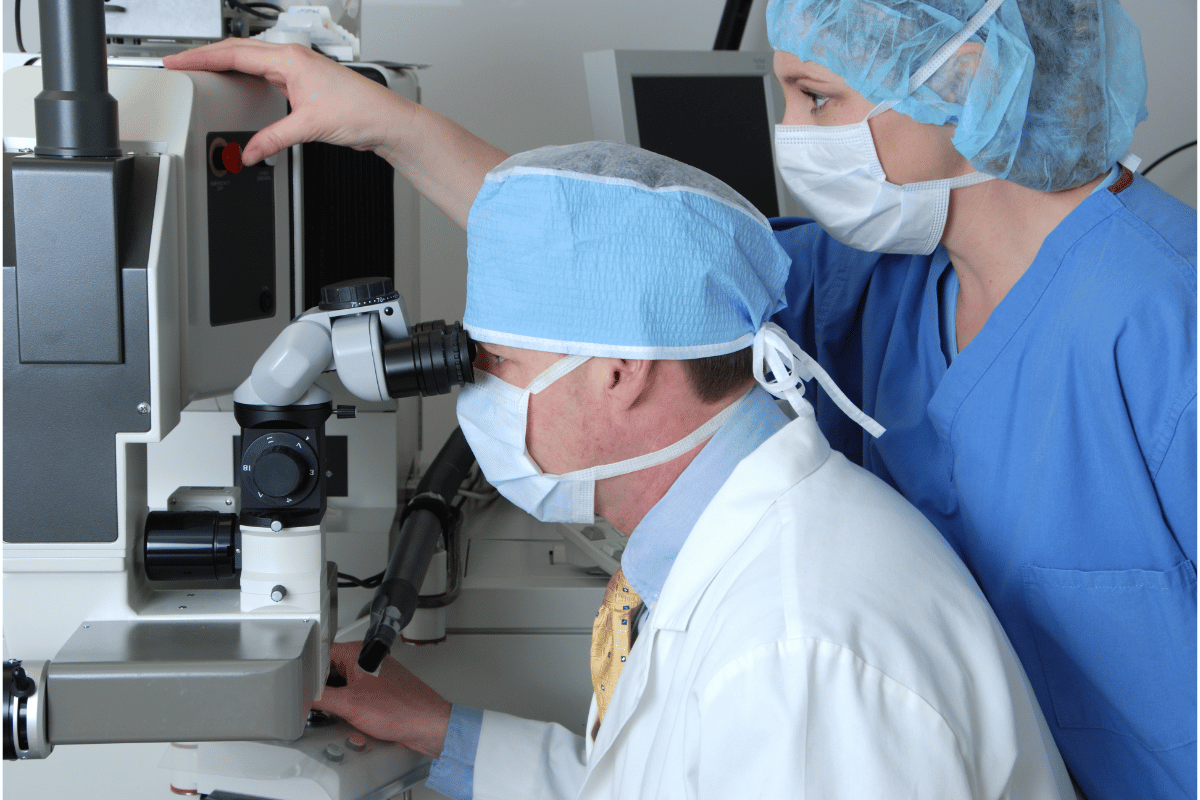
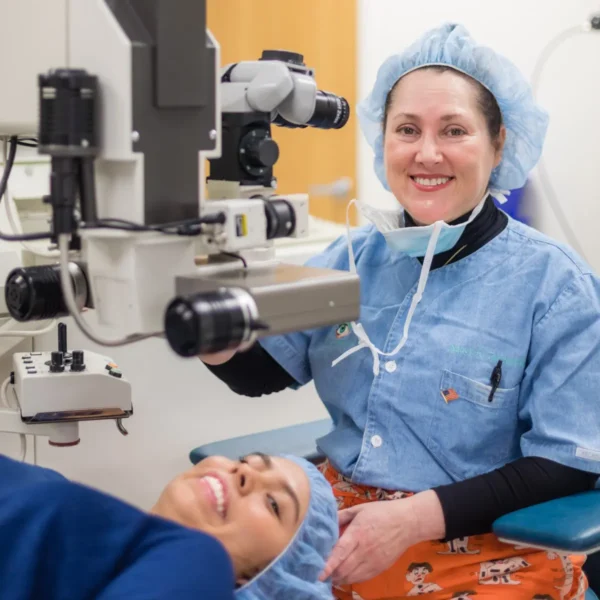

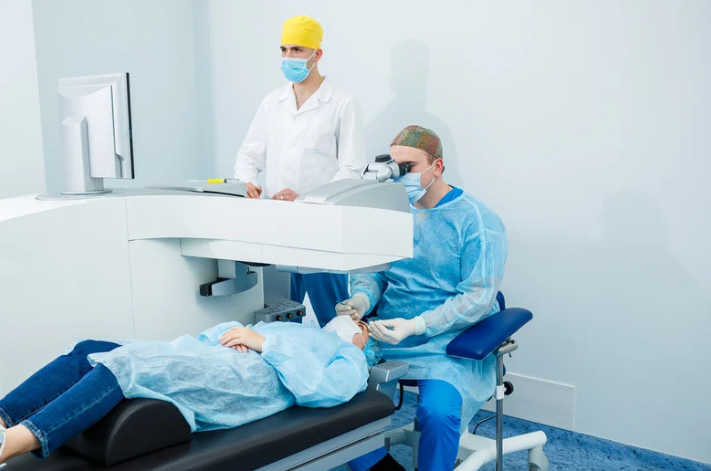

I had a great experience at Liberty Laser Eye Center. Dr. Nancy Tanchel and her entire team were extremely professional, kind, and made me feel comfortable throughout the whole process. They explained everything clearly and answered all of my questions, which really helped me feel confident before the procedure.
The surgery went smoothly and the staff was very supportive from start to finish. I’m very grateful to Dr. Tanchel and her team for their excellent care and professionalism.
Thank you all for helping me improve my vision. I truly appreciate the great work you do.

My vision wasn't terrible, but I was just sick of dealing with the hassle of contacts for sports until I came here. Great and professional business

I had a really good experience at Liberty Laser Eye Center. The staff was friendly and made me feel comfortable the whole time. The procedure was quick, and my vision is so much better now.

Informative staff offering careful evaluations and supportive patient care throughout the process.

Having LASIK surgery was the best thing I have ever done. Waking up every morning with the ability to see 20/20 without having to reach for my glasses or contacts is the ultimate freedom. The surgery was painless and the staff was incredible. I highly recommend it so don't wait!

Brought My grandmother for her eye exam. Jeeimy helped us and explained in detail such amazing team.

I’d been thinking about LASIK for years but kept putting it off out of sheer nervousness. The staff at Liberty are some of the kindest and most patient people I’ve ever met. It’s been a few months and I’m still not used to the freedom of just rolling out of bed and seeing.

I consider this the best investment I've ever made in myself, no question about it. The freedom of just rolling out of bed and being able to see is something I'll never take for granted.
The cost of corneal cross-linking for keratoconus varies significantly based on geographic location, the specific technology used, and whether the procedure is combined with other treatments. In the United States, the average price range is typically between $2,500 and $4,000 per eye. This is generally considered an out-of-pocket expense, as many insurance plans may not fully cover it, though coverage is improving. The procedure is an investment in stabilizing the cornea to prevent further vision deterioration. It is crucial to have a detailed consultation where the ophthalmologist assesses the stage of keratoconus and discusses all associated costs, including pre-operative tests and post-operative care, to get an accurate estimate.
Eye Associates of Washington is a well-established ophthalmology practice in the Washington D.C. metropolitan area, offering a comprehensive range of eye care services. While Liberty Laser Eye Center specializes in laser vision correction procedures like LASIK and PRK, practices like Eye Associates of Washington typically provide broader medical and surgical eye care. This includes treatment for cataracts, glaucoma, diabetic eye disease, and macular degeneration, alongside offering routine eye exams and prescriptions for glasses or contact lenses. For patients considering vision correction, it is important to consult with a qualified specialist to determine the best procedure for their individual needs, whether that is refractive surgery or another form of medical management.
Washington University in St. Louis is affiliated with the John F. Hardesty, MD Department of Ophthalmology & Visual Sciences, which includes highly trained cornea specialists. These surgeons are experts in managing complex corneal conditions such as keratoconus, Fuchs' dystrophy, corneal transplants, and infections. They are often at the forefront of research and advanced surgical techniques, including new types of corneal grafts and laser-assisted procedures. For patients seeking a consultation, it is important to verify the specialist's current clinical appointments, areas of sub-specialization, and insurance participation. A referral from a primary eye doctor is often recommended to ensure the visit is appropriate for the specific corneal issue.
A cornea specialist in Seattle is an ophthalmologist with advanced fellowship training in diseases and surgery of the cornea, the eye's clear front surface. These specialists diagnose and manage conditions like keratoconus, corneal dystrophies, infections, and perform surgeries including corneal transplants (like DALK and DSEK), cataract surgery with complex IOL calculations, and laser vision correction enhancements. When seeking a specialist, verify their board certification, fellowship credentials, and experience with the latest technologies, such as corneal cross-linking and advanced diagnostic imaging. In Seattle, major academic medical centers and specialized practices offer access to these experts for comprehensive care of complex corneal issues.


130 reviews

