
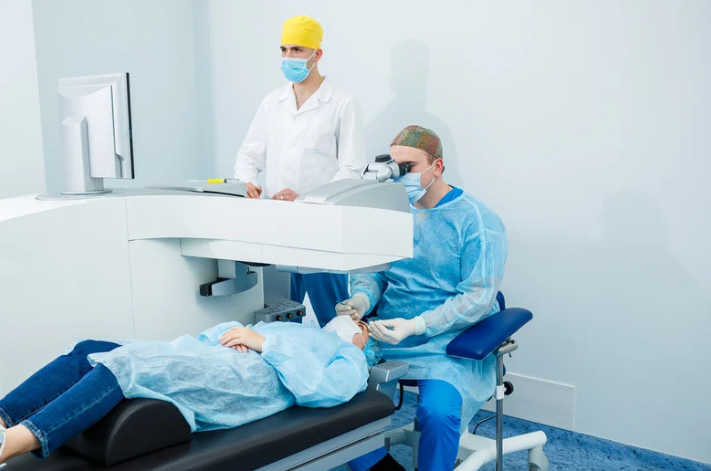
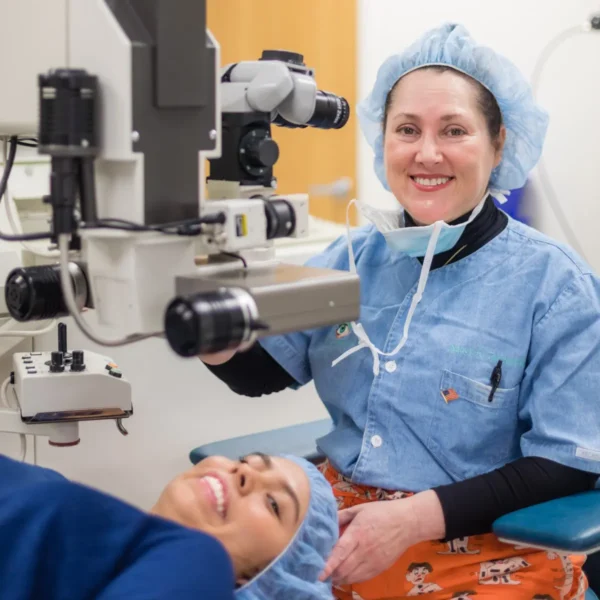

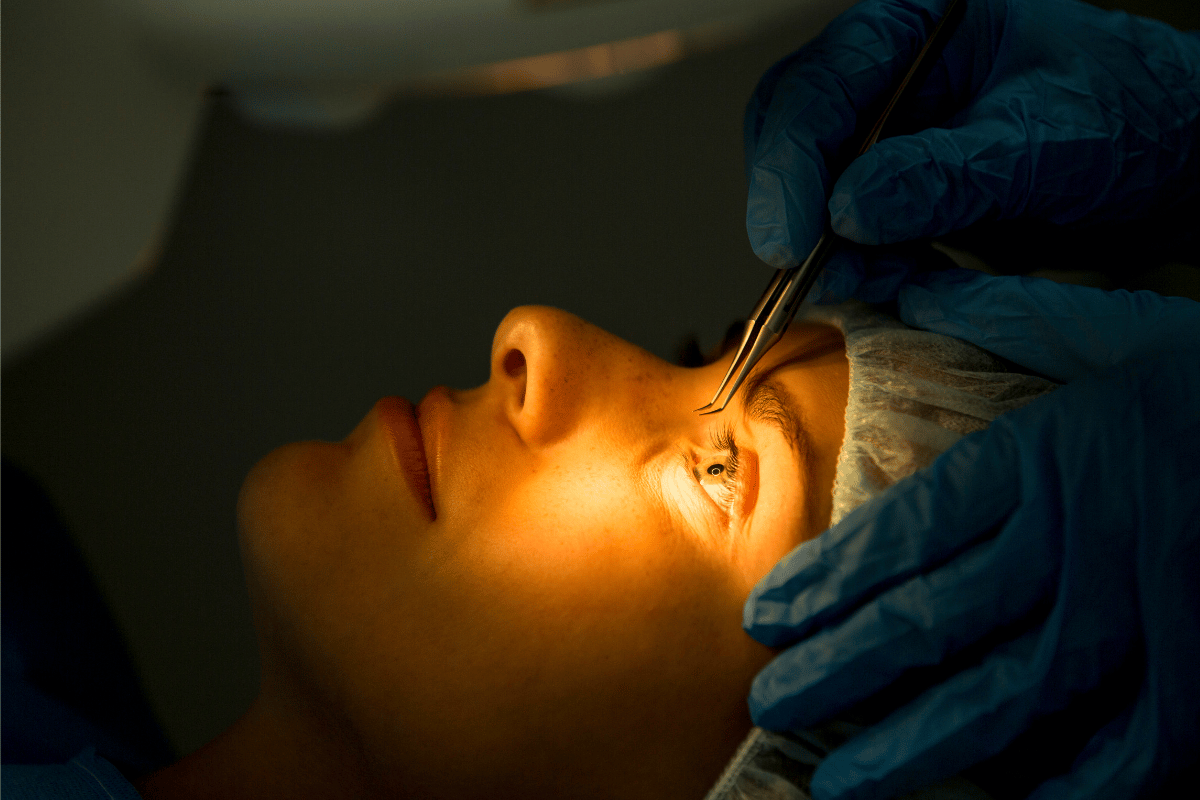

I had a great experience at Liberty Laser Eye Center. Dr. Nancy Tanchel and her entire team were extremely professional, kind, and made me feel comfortable throughout the whole process. They explained everything clearly and answered all of my questions, which really helped me feel confident before the procedure.
The surgery went smoothly and the staff was very supportive from start to finish. I’m very grateful to Dr. Tanchel and her team for their excellent care and professionalism.
Thank you all for helping me improve my vision. I truly appreciate the great work you do.

My vision wasn't terrible, but I was just sick of dealing with the hassle of contacts for sports until I came here. Great and professional business

I had a really good experience at Liberty Laser Eye Center. The staff was friendly and made me feel comfortable the whole time. The procedure was quick, and my vision is so much better now.

Informative staff offering careful evaluations and supportive patient care throughout the process.

Having LASIK surgery was the best thing I have ever done. Waking up every morning with the ability to see 20/20 without having to reach for my glasses or contacts is the ultimate freedom. The surgery was painless and the staff was incredible. I highly recommend it so don't wait!

Brought My grandmother for her eye exam. Jeeimy helped us and explained in detail such amazing team.

I’d been thinking about LASIK for years but kept putting it off out of sheer nervousness. The staff at Liberty are some of the kindest and most patient people I’ve ever met. It’s been a few months and I’m still not used to the freedom of just rolling out of bed and seeing.

I consider this the best investment I've ever made in myself, no question about it. The freedom of just rolling out of bed and being able to see is something I'll never take for granted.
The cost of corneal cross-linking for keratoconus varies significantly based on location, facility, and insurance coverage. In the United States, the procedure typically ranges from $2,500 to $4,000 per eye. This is a general professional estimate, and the final price can be influenced by the surgeon's experience, the specific technology used (epi-on vs. epi-off), and geographic region. It is crucial to consult directly with a qualified ophthalmology practice for a precise quote, as many factors are patient-specific. Patients should verify with their insurance provider, as coverage for this FDA-approved treatment is becoming more common but is not universal. Comprehensive pre-operative consultations are essential to determine candidacy and exact out-of-pocket expenses.
As of 2026, the latest treatments for keratoconus continue to focus on halting progression and improving vision with advanced, minimally invasive techniques. Corneal cross-linking (CXL) remains the gold standard to strengthen the cornea and stop progression, with ongoing refinements in protocols and riboflavin formulations enhancing safety and efficacy. For visual rehabilitation, the implantation of intracorneal ring segments (ICRS) is now often combined with topography-guided laser procedures in a single, optimized session. The most significant advancements are in custom, bioengineered corneal implants and allogenic tissue grafts, which aim to restore natural shape and function. Additionally, the selective use of phakic intraocular lenses (IOLs) for high irregular astigmatism, guided by sophisticated AI-driven topography analysis, provides a powerful option for suitable candidates where contact lenses are intolerable.
Corneal cross-linking (CXL) is a procedure primarily used to treat progressive keratoconus. Insurance coverage for CXL varies significantly. Many major insurance providers, including Medicare, now cover it when deemed medically necessary to halt the progression of the disease. However, coverage often depends on specific plan details, the patient's documented progression, and prior authorization. It is typically not covered for elective or prophylactic use. Patients should directly contact their insurance carrier to verify benefits, understand any deductibles or co-pays, and confirm that both the facility and surgeon are in-network. The clinic's billing department can often assist with this verification and the pre-authorization process to improve the likelihood of coverage.
CXL (corneal cross-linking) surgery is generally considered a worthwhile and often essential procedure for individuals with progressive keratoconus or certain corneal ectatic disorders. The primary goal is to halt the progression of the disease, which causes the cornea to thin and bulge, by strengthening corneal tissue with riboflavin and UV light. This can prevent further vision deterioration and the potential need for a corneal transplant. While it does not typically reverse existing vision loss, it stabilizes the cornea, making vision more correctable with glasses or contact lenses. For eligible patients, the long-term benefits of preserving vision and corneal structure often outweigh the temporary discomfort and recovery time. It is a standard of care for progressive conditions, and consulting a qualified ophthalmologist for a personalized assessment is crucial.


130 reviews

