
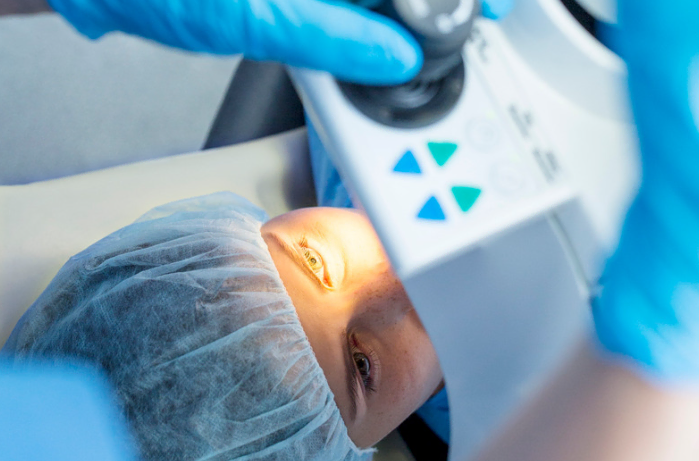
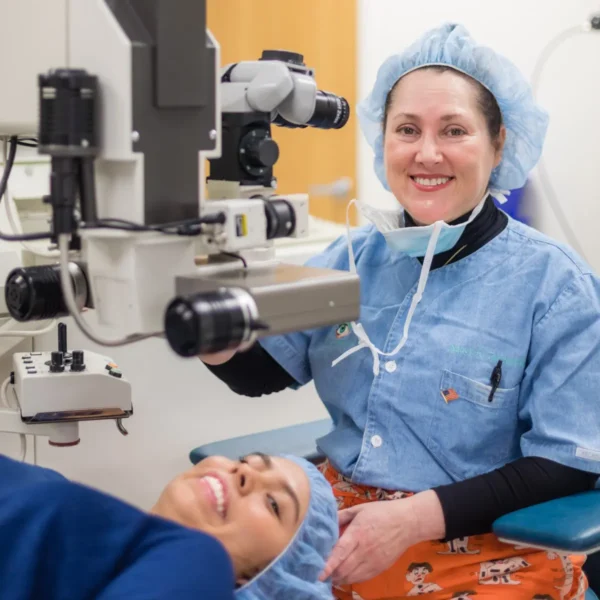
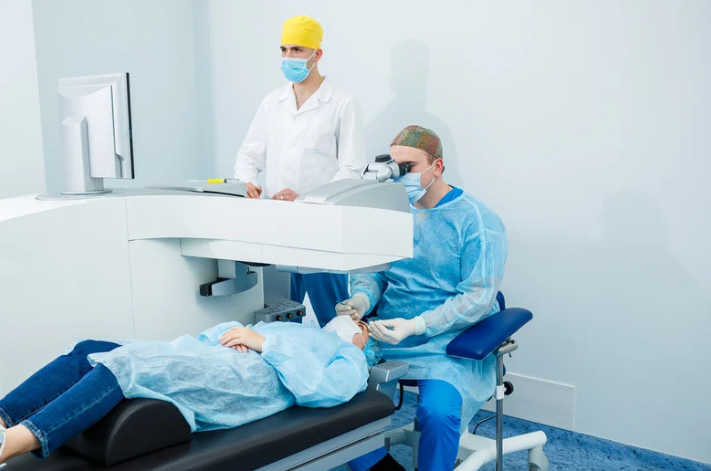

I had a great experience at Liberty Laser Eye Center. Dr. Nancy Tanchel and her entire team were extremely professional, kind, and made me feel comfortable throughout the whole process. They explained everything clearly and answered all of my questions, which really helped me feel confident before the procedure.
The surgery went smoothly and the staff was very supportive from start to finish. I’m very grateful to Dr. Tanchel and her team for their excellent care and professionalism.
Thank you all for helping me improve my vision. I truly appreciate the great work you do.

My vision wasn't terrible, but I was just sick of dealing with the hassle of contacts for sports until I came here. Great and professional business

I had a really good experience at Liberty Laser Eye Center. The staff was friendly and made me feel comfortable the whole time. The procedure was quick, and my vision is so much better now.

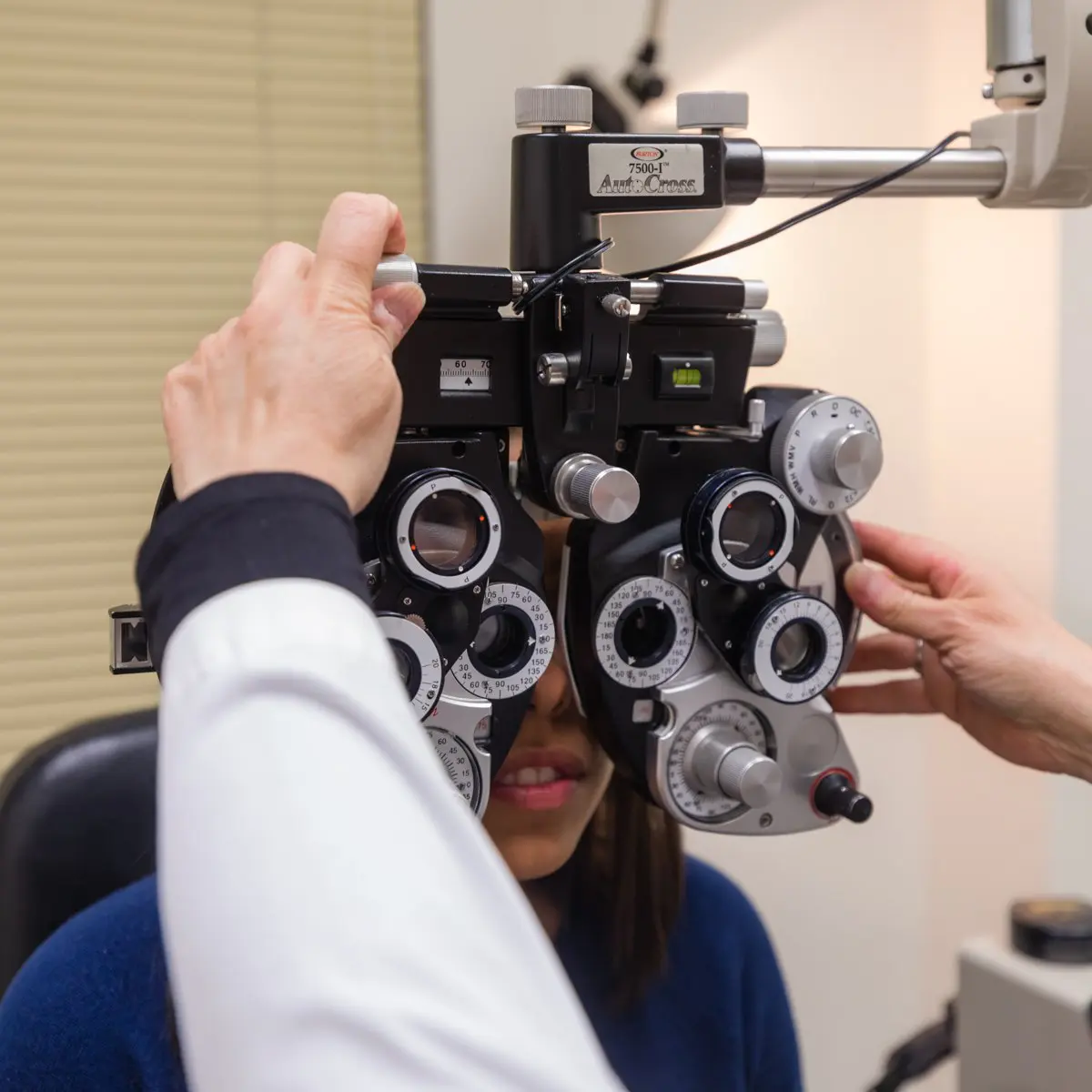
Informative staff offering careful evaluations and supportive patient care throughout the process.

Having LASIK surgery was the best thing I have ever done. Waking up every morning with the ability to see 20/20 without having to reach for my glasses or contacts is the ultimate freedom. The surgery was painless and the staff was incredible. I highly recommend it so don't wait!

Brought My grandmother for her eye exam. Jeeimy helped us and explained in detail such amazing team.

I’d been thinking about LASIK for years but kept putting it off out of sheer nervousness. The staff at Liberty are some of the kindest and most patient people I’ve ever met. It’s been a few months and I’m still not used to the freedom of just rolling out of bed and seeing.

I consider this the best investment I've ever made in myself, no question about it. The freedom of just rolling out of bed and being able to see is something I'll never take for granted.
The cost of corneal crosslinking for keratoconus varies significantly based on geographic location, the specific technology used, and the surgical facility. In the United States, the average price for one eye typically ranges from $2,500 to $4,000. This is generally considered an out-of-pocket expense, as many insurance plans may not fully cover the procedure, though coverage is improving. It is crucial to obtain a detailed consultation, as the total cost includes the surgical procedure, pre-operative testing, follow-up care, and any prescribed medications. Patients should verify insurance benefits and inquire about potential financing plans offered by the surgical center to manage this important investment in stabilizing their vision.
As of 2026, the most significant advancement in keratoconus treatment is the continued refinement and broader adoption of corneal cross-linking (CXL) protocols combined with adjunctive therapies. The standard remains epithelium-off CXL using riboflavin and UV light to strengthen the cornea and halt progression. However, new treatment enhancements focus on customized, topography-guided cross-linking and accelerated protocols that reduce treatment time while maintaining efficacy. Furthermore, the integration of intracorneal ring segments (ICRS) with simultaneous or sequential CXL is becoming more precise with advanced imaging guidance. For advanced cases, new generations of customized, topography-guided toric IOLs implanted during cataract surgery or in phakic lenses offer improved visual outcomes when transplantation is not yet required. Patients should consult a corneal specialist for a comprehensive evaluation to determine the most suitable, stabilizing treatment plan for their individual condition.
Insurance coverage for keratoconus treatment varies significantly by provider and plan. Generally, diagnostic exams and medically necessary treatments like corneal cross-linking (CXL) are more likely to be covered, especially if the condition is progressing. However, coverage for procedures like Intacs or specialized contact lenses can be inconsistent, and refractive surgeries are often considered elective and excluded. The key is to obtain a detailed pre-authorization from your insurance company. Your ophthalmologist's office can assist by providing documentation, such as corneal topography maps and a letter of medical necessity, to justify the treatment as essential for preserving vision and halting disease progression, rather than purely for vision correction.
Corneal crosslinking (CXL) is a specialized procedure primarily used to treat progressive keratoconus, a condition where the cornea thins and bulges outward. Insurance coverage for CXL is highly variable and depends on your specific insurance plan and medical necessity. Many major insurance providers now offer coverage for CXL when it is deemed medically necessary to halt the progression of keratoconus, as it is an FDA-approved treatment. However, coverage criteria can be strict, often requiring documented evidence of progression from recent corneal topography scans. Some plans may consider it an elective procedure or have specific network requirements. It is crucial to contact your insurance provider directly for detailed information on your plan's benefits, pre-authorization requirements, and any potential out-of-pocket costs like deductibles or co-pays. Our practice's insurance specialists can also assist in verifying benefits and navigating the authorization process.
Yes, you can use your phone after cross-linking, but with significant restrictions to protect your healing eyes. It is generally recommended to avoid screens, including phones, computers, and televisions, for at least the first 24 to 48 hours after the procedure. During this initial period, your eyes will be light-sensitive, irritated, and may have blurred vision. Even after that, screen use should be limited and done with caution. Staring at a bright screen can increase discomfort and dryness. It is crucial to follow your surgeon's specific post-operative instructions, which will include using prescribed medicated eye drops, wearing protective sunglasses, and allowing your eyes ample rest to ensure proper healing and the best possible outcome from the corneal cross-linking treatment.
Finding the best keratoconus specialist involves seeking a board-certified ophthalmologist with a sub-specialty in corneal diseases and refractive surgery. Look for a practice that offers comprehensive management options, including corneal cross-linking (CXL), specialized contact lens fittings (like scleral lenses), and potential surgical interventions. You should verify the surgeon's experience with the latest technologies, such as topography-guided treatments. To find a specialist near you, consult referrals from your primary eye doctor, check reviews from medical associations like the American Academy of Ophthalmology, and research local centers known for corneal expertise. A thorough consultation to discuss all therapeutic and vision correction options is essential for personalized care.
Eye Specialists & Surgeons of Northern Virginia is a well-regarded practice in the region, offering comprehensive ophthalmology and optometry services. Patients can expect a team of board-certified professionals who diagnose and treat a wide range of conditions, from cataracts and glaucoma to diabetic eye disease and refractive errors like nearsightedness. The practice typically utilizes advanced diagnostic technology and provides both medical and surgical care, including LASIK and cataract surgery. When choosing any eye care provider, it's important to verify their credentials, experience with specific procedures, and the technology they employ. A reputable practice will prioritize a thorough consultation to discuss all treatment options and personalized care plans.


130 reviews

