


I had a great experience at Liberty Laser Eye Center. Dr. Nancy Tanchel and her entire team were extremely professional, kind, and made me feel comfortable throughout the whole process. They explained everything clearly and answered all of my questions, which really helped me feel confident before the procedure.
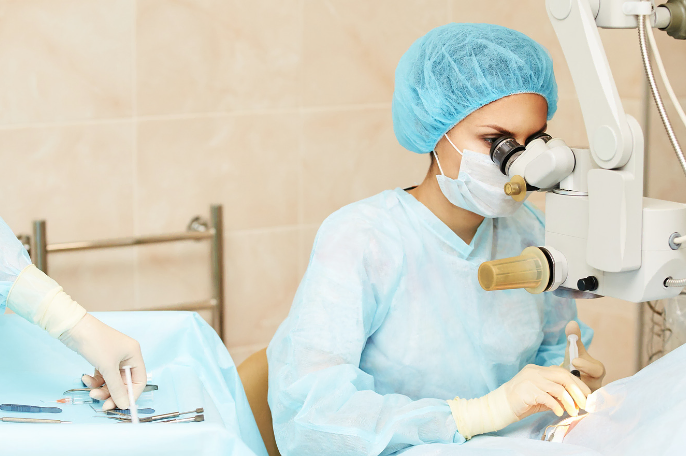
The surgery went smoothly and the staff was very supportive from start to finish. I’m very grateful to Dr. Tanchel and her team for their excellent care and professionalism.
Thank you all for helping me improve my vision. I truly appreciate the great work you do.

My vision wasn't terrible, but I was just sick of dealing with the hassle of contacts for sports until I came here. Great and professional business

I had a really good experience at Liberty Laser Eye Center. The staff was friendly and made me feel comfortable the whole time. The procedure was quick, and my vision is so much better now.

Informative staff offering careful evaluations and supportive patient care throughout the process.

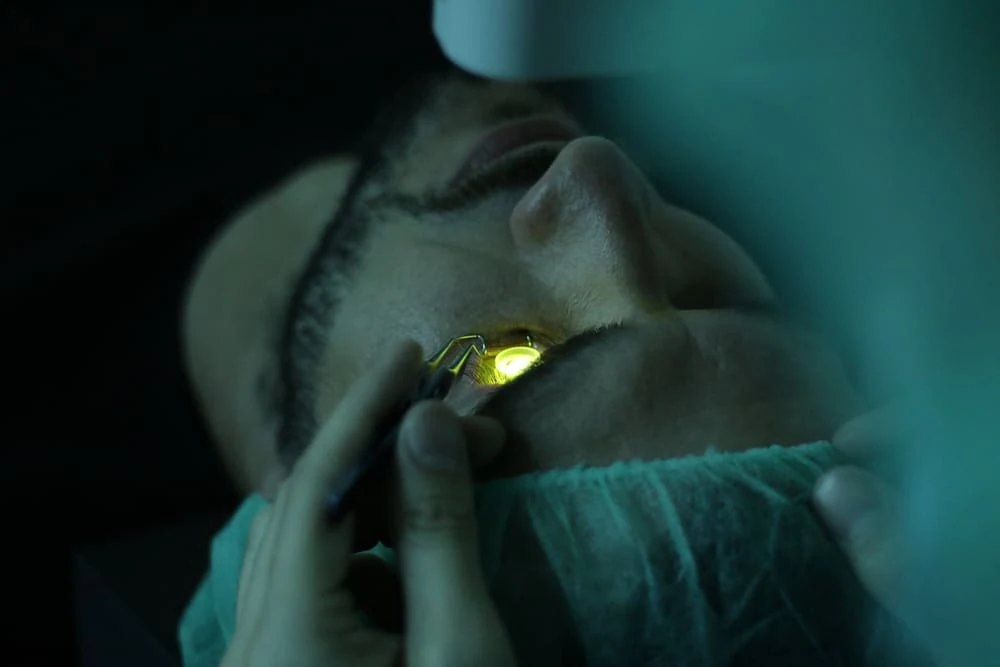
Having LASIK surgery was the best thing I have ever done. Waking up every morning with the ability to see 20/20 without having to reach for my glasses or contacts is the ultimate freedom. The surgery was painless and the staff was incredible. I highly recommend it so don't wait!

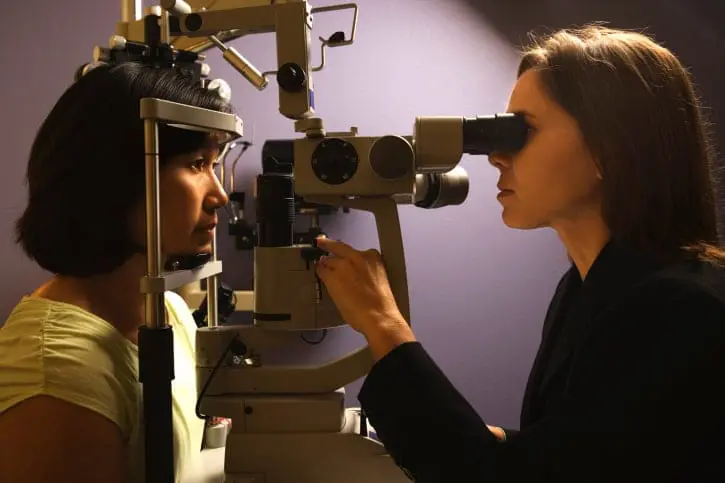
Brought My grandmother for her eye exam. Jeeimy helped us and explained in detail such amazing team.

I’d been thinking about LASIK for years but kept putting it off out of sheer nervousness. The staff at Liberty are some of the kindest and most patient people I’ve ever met. It’s been a few months and I’m still not used to the freedom of just rolling out of bed and seeing.

I consider this the best investment I've ever made in myself, no question about it. The freedom of just rolling out of bed and being able to see is something I'll never take for granted.
The cost of crosslinking for keratoconus varies significantly based on geographic location, facility, and insurance coverage. In the United States, the procedure typically ranges from $2,500 to $4,000 per eye. This cost generally includes the surgical procedure, pre-operative consultations, and post-operative follow-up care. It is crucial to verify with both the clinic and your insurance provider, as coverage is increasingly common but not universal. Some clinics may offer financing plans. Patients should consider that this investment is for a treatment that can halt the progression of keratoconus, potentially preventing the need for a corneal transplant in the future. Always seek a detailed, written cost estimate during your consultation.
As of 2026, the latest treatments for keratoconus continue to focus on halting progression and improving vision with advanced, minimally invasive techniques. Corneal cross-linking (CXL) remains the gold standard to strengthen the cornea, with accelerated and epithelium-on protocols now offering faster recovery and reduced discomfort. For visual rehabilitation, the implantation of intracorneal ring segments (ICRS) has been refined with customizable, patient-specific designs using advanced imaging. The most significant advancements are in custom topography-guided photorefractive keratectomy (PRK) combined with CXL, which can simultaneously regularize the corneal surface and stabilize it. Additionally, the use of novel riboflavin formulations and precise laser-assisted delivery systems in CXL procedures has improved efficacy and consistency, offering better long-term outcomes for patients.
CXL (corneal cross-linking) surgery is generally considered a highly worthwhile procedure for individuals with progressive keratoconus or certain corneal ectasias. The primary goal is to halt the progression of the disease, which causes thinning and bulging of the cornea, thereby preventing further vision deterioration and potentially avoiding the need for a corneal transplant. The procedure strengthens corneal collagen fibers using riboflavin and UV light. Success rates for stabilization are high, often exceeding 90%. While it typically does not reverse existing vision loss, it is a crucial intervention to preserve long-term eye health and visual potential. The decision should be made in consultation with a qualified ophthalmologist who can assess the specific rate of progression and overall corneal condition.
Corneal crosslinking (CXL) is a specialized procedure primarily used to treat progressive keratoconus. Insurance coverage for CXL is not universal and depends heavily on the specific insurance plan, the patient's diagnosis, and documented medical necessity. Many major insurance providers, including Medicare, now offer coverage for CXL when it is deemed medically necessary to halt the progression of the disease. However, coverage criteria can be strict, often requiring detailed documentation like corneal topography maps showing progression. Patients should always contact their insurance provider directly for pre-authorization and verify specific plan details, including deductibles and co-pays. Consulting with the ophthalmologist's billing department is also crucial, as they can assist with the necessary medical justification and coding.
When seeking the best ophthalmologist in Northern Virginia, it is essential to consider board certification, subspecialty expertise, and patient reviews. Look for a physician certified by the American Board of Ophthalmology, which signifies rigorous training and adherence to high standards. Many top practices in areas like Fairfax, Arlington, and Reston offer specialists in glaucoma, retina, cornea, or refractive surgery. Consider the technology available at the practice, as advanced diagnostic and surgical equipment often correlates with better outcomes. Personal referrals from your primary care doctor and reviews on reputable healthcare sites can guide your choice. Ultimately, the best ophthalmologist for you is one who communicates clearly, makes you feel comfortable, and has a strong reputation for both surgical skill and comprehensive eye care.
When searching for the best ophthalmologist in Fairfax, VA, it is crucial to consider board certification, subspecialty expertise, and patient reviews. An ophthalmologist is a medical doctor specializing in eye and vision care, including surgery, so verifying credentials with the American Board of Ophthalmology is a key first step. For comprehensive care, look for practices offering a full range of services from routine exams to advanced surgical procedures like LASIK or cataract surgery. Reading verified patient testimonials can provide insight into bedside manner and clinic efficiency. Ultimately, the best choice is a licensed professional whose experience, communication style, and available technology align with your specific eye health needs.
When seeking the best cataract surgeons in Northern Virginia, it is essential to prioritize board certification, extensive experience, and advanced technology. Look for surgeons who are fellowship-trained in cataract and refractive surgery, as this indicates specialized expertise. Many top-rated professionals in this region are affiliated with prestigious practices and utilize the latest laser-assisted and premium lens implant technologies. Patient reviews and personal referrals can offer valuable insights into a surgeon's skill and bedside manner. A comprehensive consultation should include a detailed eye examination and a discussion of all available options, including monofocal, multifocal, or toric intraocular lenses, to tailor the procedure to your specific visual goals and lifestyle needs.


130 reviews

