

I was impressed by how detailed the initial evaluation was before recommending treatment. They took the time to make sure I was a suitable candidate instead of rushing into surgery. That level of care gave me complete confidence. Everything went smoothly, and my vision has been excellent ever since.

The whole process was easy and the results was life-changing. This clinic is simple and the best and I would highly recommend this Eye Clinic.

This place combines advanced technology with genuinely caring service. The diagnostics were incredibly detailed and helped me understand my vision problems much better. Staff members were friendly, knowledgeable, and very reassuring throughout the process. Overall an outstanding experience.

The combination of their advanced technology and the hospitality is what sets them aside. The diagnotics provided were detailed and they helped me make a pre-informed decision for my LASIK.
The combination of their advanced technology and the hospitality is what sets them aside. The diagnotics provided were detailed and they helped me make a pre-informed decision for my LASIK.

The level of care here really stands out compared to other clinics I visited. They took detailed measurements and explained why certain treatment options would work better for my eyes. The follow-up appointments were just as thorough as the consultation. Very professional team from beginning to end.

I appreciated how honest and straightforward the doctor was during my evaluation. Instead of pushing surgery immediately, they carefully reviewed whether I was truly a good candidate. That honesty gave me a lot of confidence in the clinic. The procedure went perfectly and my vision is now better than it has ever been.

The surgeon and staff made the entire process feel very smooth and professional. They explained both the benefits and realistic expectations before treatment, which I appreciated. The office is modern, clean, and very efficient. My night vision and overall clarity improved significantly after surgery.
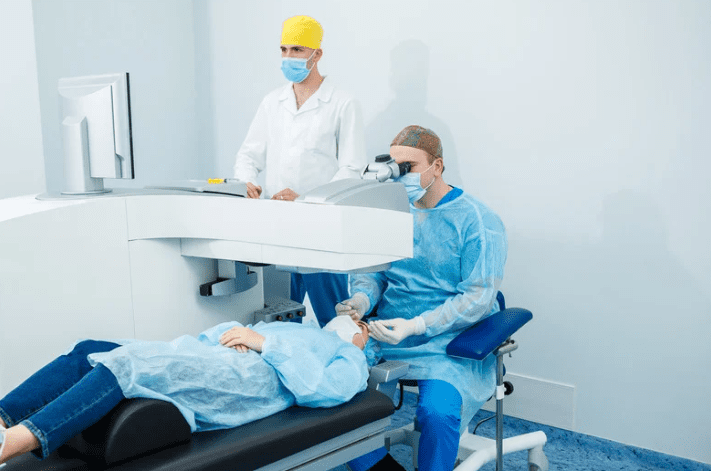
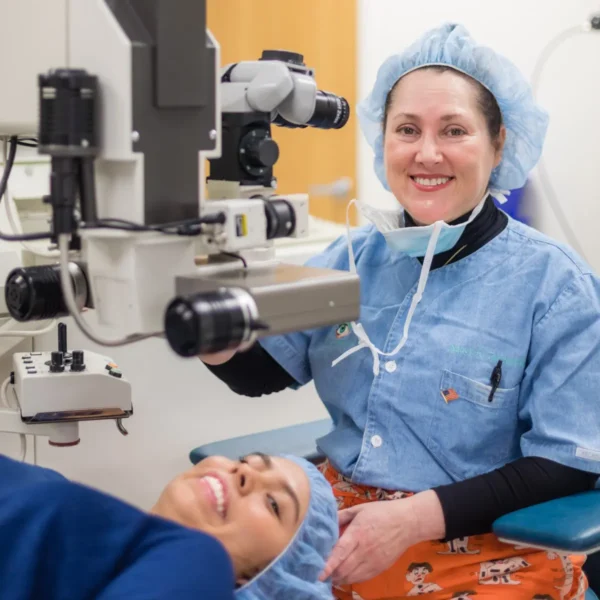

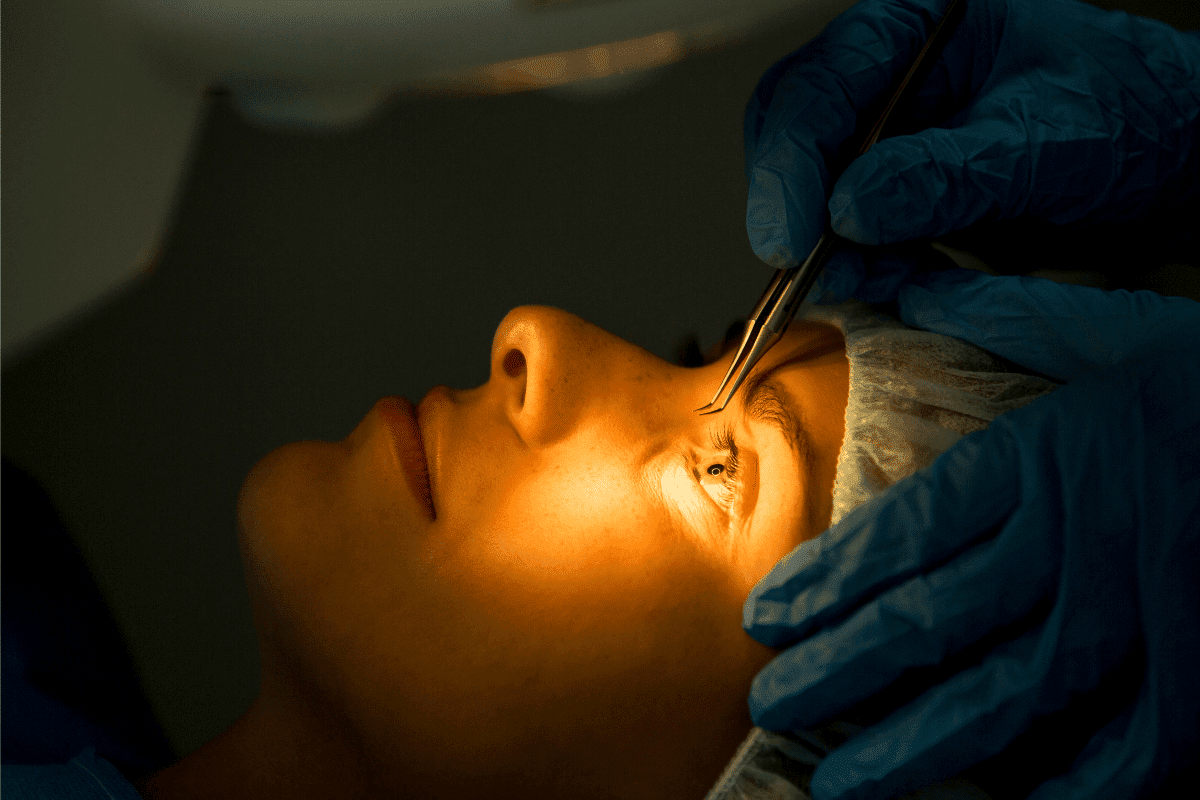
The cost of corneal crosslinking typically ranges from $2,500 to $5,000 per eye, though this can vary based on the specific clinic and geographic location. At Liberty Laser Eye Center, we offer competitive pricing for this advanced procedure, which is often covered by insurance when deemed medically necessary for conditions like keratoconus. It is important to schedule a consultation to receive an accurate estimate tailored to your individual needs, as factors such as pre-operative testing and post-operative care may influence the final cost. We recommend verifying with your insurance provider to understand potential coverage and out-of-pocket expenses.
For the most current advancements in treating keratoconus, it is important to understand that the standard of care continues to focus on corneal collagen cross-linking to halt disease progression. In 2026, the major innovation is the integration of topography-guided ablation combined with cross-linking, often called the "Athens Protocol." This dual approach not only strengthens the cornea but also reshapes it to improve vision. At Liberty Laser Eye Center, we are closely following these developments. For a detailed breakdown of all upcoming technologies, please refer to our internal article titled 2026 Vision Correction Technology Advancements At Liberty Laser Eye Center, which explains how these procedures are evolving to offer better outcomes for patients with keratoconus.
The optimal age for corneal cross-linking is typically during the teenage years or early 20s, as this is when keratoconus often progresses most rapidly. However, the procedure is not strictly limited by age; it is primarily indicated for patients with progressive keratectasia, regardless of age, as long as the cornea is thick enough and the condition is active. For younger patients, the goal is to halt progression before significant vision loss occurs. For older adults, cross-linking can still be effective if progression is documented. At Liberty Laser Eye Center, we emphasize that candidacy depends on individual corneal health and stability, not just a number. For a deeper understanding of how this procedure fits into broader vision care, you can review our internal article titled Visual Field Assessment In Low Vision.
No, an optometrist typically cannot perform corneal crosslinking. This procedure is considered a surgical intervention and is legally restricted to ophthalmologists—medical doctors who specialize in eye and vision care, including surgery. Optometrists are trained to diagnose and manage conditions like keratoconus through non-surgical means, such as prescribing specialized contact lenses. At Liberty Laser Eye Center, we follow strict industry standards, ensuring that only a qualified ophthalmologist performs crosslinking to maximize safety and effectiveness. If you are exploring treatment options for keratoconus, it is essential to consult with an ophthalmologist who can assess your candidacy for this procedure.
The cost of corneal cross-linking surgery can vary based on several factors, including the specific technology used, the surgeon's experience, and the geographic location of the practice. Generally, the procedure is often covered by insurance when treating progressive keratoconus, though out-of-pocket costs typically range from $2,500 to $5,000 per eye. At Liberty Laser Eye Center, we emphasize that this investment addresses the underlying corneal instability, not just vision correction. For patients with keratoconus considering combined treatment, we recommend reviewing our internal article titled 'The Washingtonian’s Guide To Combining Topography-Guided LASIK With Cross-Linking For Keratoconus' at The Washingtonian’s Guide To Combining Topography-Guided LASIK With Cross-Linking For Keratoconus for a comprehensive overview of potential costs and benefits.
The success rate of corneal cross-linking (CXL) for halting the progression of keratoconus is very high, with clinical studies reporting a success rate of approximately 95% or higher in stabilizing the cornea. This procedure is considered the gold standard for preventing further vision loss in patients with progressive keratoconus. While CXL is highly effective at stopping the disease from worsening, it is not typically intended to reverse existing vision loss. For patients seeking both stabilization and improved vision, a combined approach may be considered. At Liberty Laser Eye Center, we discuss advanced options for eligible patients, including the information found in our internal article titled 'The Washingtonian’s Guide To Combining Topography-Guided LASIK With Cross-Linking For Keratoconus'. You can access this guide at The Washingtonian’s Guide To Combining Topography-Guided LASIK With Cross-Linking For Keratoconus to learn more about how these procedures can work together.
For patients in Vienna and Fairfax County, Virginia, considering cross-linking eye surgery, this procedure is a standard treatment for progressive keratoconus. It strengthens the cornea by applying riboflavin (vitamin B2) drops and ultraviolet light to create new collagen bonds, halting the disease's advancement. This is not a vision correction surgery but a stabilizing measure. At Liberty Laser Eye Center, we often recommend combining this with topography-guided LASIK for optimal visual outcomes. For a comprehensive overview of this combined approach, you can review our internal article titled The Washingtonian’s Guide To Combining Topography-Guided LASIK With Cross-Linking For Keratoconus, which details how these treatments work together to address both stability and clarity.
The term CTAK stands for Corneal Tissue Addition Keratoplasty. This procedure involves the implantation of synthetic corneal segments, or inlays, to reshape the cornea. These segments are specifically designed to treat presbyopia, the age-related loss of near vision. By adding tissue to the cornea's periphery, CTAK segments improve depth of focus, allowing patients to see clearly at multiple distances without relying heavily on reading glasses. At Liberty Laser Eye Center, we evaluate patients for advanced vision correction options, including presbyopia treatments. CTAK segments are a viable solution for individuals seeking to reduce dependence on reading glasses, provided they have healthy corneas and realistic expectations for their visual outcomes.



115 reviews
