Let’s Get Real About Laser Vision Correction: Your No-Nonsense Guide
Alright, let’s have a chat. You’re here because the idea of ditching glasses and contacts has crossed your mind more than once. Maybe you’re tired of the morning scramble for your specs, or you’ve had it with dry, irritated eyes from contacts. We get it. We’ve been in this game in Vienna, Virginia, helping folks from all over Washington DC and beyond see clearly, and we’ve heard every concern, question, and hopeful dream in the book. So, let’s cut through the noise and talk frankly about laser eye surgery.
Think of this as a conversation with a friend who happens to know a lot about lasers and corneas. We’ll cover the good, the technical, and the downright practical—no fluff, we promise.
First Things First: It’s Not All Just “LASIK”
Here’s a common misconception we tackle daily: people use “Lasik eye surgery” as a catch-all term. IMO, that’s like using “soda” when you really want a specific cola. There are several laser eye surgery types, and the best one for you depends entirely on your unique eyes.
Your annual eye exam details—your prescription, corneal thickness, lifestyle—these are the blueprints. Throwing around a single term does a disservice to the amazing technology available now. So, let’s break down the lineup you’ll hear about at any reputable center, like ours at Liberty Laser Eye Center.
The Main Contenders:
- LASIK: The classic. Creates a thin corneal flap, reshapes the tissue underneath with a laser, and replaces the flap. Known for a quick Lasik recovery.
- Advanced PRK Surgery: The flap-less pioneer. The laser treats the surface directly. Ideal for those with thinner corneas or more active lifestyles (think martial artists or firefighters). The initial recovery takes a bit more patience, but the long-term result is rock-solid.
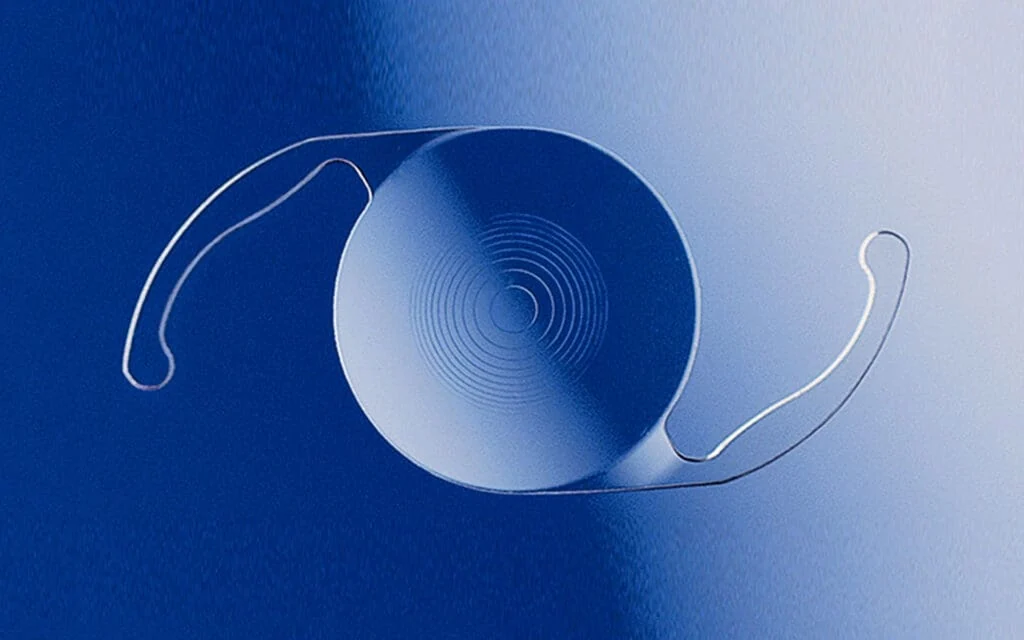
- PresbyLASIK Surgery: This is the game-changer for the over-40 crowd. It tackles Presbyopia—that frustrating loss of near vision that makes you hold menus at arm’s length. It’s like a multifocal lens sculpted onto your cornea, often giving great vision at multiple distances.
- Topography-Guided LASIK Surgery: This is custom work at its finest. It uses a detailed map of your cornea’s surface (think 3D GPS) to guide the laser, correcting subtle irregularities beyond standard glasses prescriptions. It’s fantastic for complex cases or enhancing visual quality.
How Do We Figure Out Which One Is Your One?
We don’t guess. We measure. Extensively. This is where the magic of modern diagnostics comes in, and it’s why a thorough evaluation is non-negotiable.
- Wavefront Analysis: This goes beyond just measuring how nearsighted or farsighted you are. It maps how light travels through your entire optical system, identifying unique imperfections called higher-order aberrations (the culprits behind glare and halos). It’s like getting a fingerprint of your vision.
- Corneal Topography: We mentioned it above, but it deserves its own spotlight. This creates that ultra-precise map of your cornea’s curvature, essential for screening for conditions like Keratoconus and planning procedures like Topography-Guided LASIK.
Ever wondered why some people just see sharper after surgery? This personalized data is usually why. It lets us tailor the treatment to you, not just your prescription.
Let’s Talk About You: What’s Your Vision Problem?
We throw these terms around, but what do they actually feel like? Let’s personify them.
- Nearsightedness (Myopia): The world is a high-definition masterpiece… up to about two feet in front of your face. After that, it’s a soft-focus blur. Road signs? A mystery until you’re right on top of them.
- Farsightedness (Hyperopia): Distance can be okay (especially when you’re young), but try reading a text message or a restaurant menu. Your eyes are working overtime, leading to headaches and eye strain.
- Astigmatism: This isn’t about prescription strength; it’s about distortion. Light focuses on multiple points instead of one. Vision can be blurry and streaky at all distances, with annoying glare at night.
- Presbyopia: The great equalizer that hits in our 40s. Your arms suddenly seem too short. You need more light to read. It’s not a disease; it’s your eye’s lens getting less flexible. This is where PresbyLASIK becomes a hero.
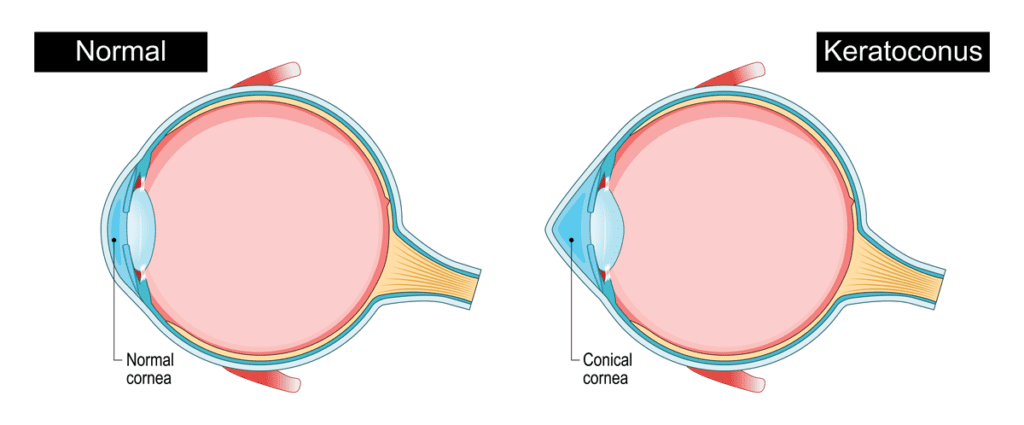
And then there’s Keratoconus, a condition where the cornea thins and bulges into a cone shape. It requires specialized care, often involving Corneal Cross-Linking to strengthen the tissue, which we also provide. Laser vision correction comes later, if at all, and only after the cornea is stabilized.
The Decision Matrix: A Handy Comparison
Okay, so we’ve thrown a lot at you. How about a clear, side-by-side look? This table isn’t exhaustive, but it highlights key differences to discuss with your Lasik doctors.
| Procedure | Best Suited For | How It Works | Recovery Outlook | A Key Consideration |
|---|---|---|---|---|
| LASIK | Standard Nearsightedness, Farsightedness, Astigmatism with sufficient corneal thickness. | Creates a corneal flap, reshapes underlying tissue. | Very quick. Many see clearly within 24 hours. | Requires a stable, healthy cornea of adequate thickness. |
| Advanced PRK | Thin corneas, certain occupations/hobbies, some corneal irregularities. | Laser treats the surface directly; no flap. | Slower initial healing (3-5 days), with vision stabilizing over a few weeks. | The gold standard for corneal stability; longer initial downtime. |
| PresbyLASIK | Presbyopia, often with a distance vision prescription too. | Creates a multifocal corneal profile for near and far vision. | Similar to standard LASIK. | Involves a neuro-adaptation period where your brain learns to interpret the new visual signals. |
| Topography-Guided | Irregular corneas, complex prescriptions, or those seeking potentially superior visual quality. | Laser follows a custom corneal map to smooth irregularities. | Similar to the method it’s paired with (often LASIK or PRK). | Heavily reliant on advanced diagnostic technology for planning. |
The Questions We Hear Every Single Day (And Our Straight Answers)
1. “What’s the success rate, really? Am I going to be that horror story?”
Let’s be blunt: no medical procedure has a 100% guarantee. But modern laser vision correction has an exceptionally high satisfaction rate—well into the high 90s percentile. The “horror stories” you might dig up online often date back to older technology or inadequate screening. Today, the most critical factor is patient selection. This is why at Liberty Laser Eye Center, we say “no” just as importantly as we say “yes.” If you’re not a perfect candidate, we’ll tell you. Our goal is your lifelong eye health, not just a quick sale.
2. “How much does this cost? Is there affordable laser eye surgery, or is ‘affordable’ code for ‘cutting corners’?”
This is a big one. Price can vary based on technology and prescription complexity. While looking for an affordable option is understandable, remember you’re investing in your most precious sense. The cost should reflect the quality of the technology, the expertise of the best Lasik surgeon you can find, and the comprehensiveness of your care. Sometimes, the “best price” omits critical follow-up care or uses outdated laser platforms. We offer financing options because we believe this life-changing investment should be accessible, but we never compromise on the standard of care. FYI, a true quote includes everything—pre-op diagnostics, the procedure, and all post-op care.
3. “Will I get dry eyes? Is it permanent?”
Dry eye is the most common side effect, but it’s usually temporary. The procedure can temporarily affect corneal nerve sensation that stimulates tear production. For most, it resolves within 3-6 months as the nerves heal. We’re proactive about Dry Eye Treatment before and after surgery to manage it effectively. If you have significant dry eye going in, we’ll treat that first. It’s all part of the process.
4. “How do I find the best Lasik surgeon near me? Should I just search ‘Lasik eye surgeons nearest me’?”
The “near me” search is a great start, but don’t stop there. Dig into the reviews, sure, but also look for:
- Surgeon Experience: How many procedures have they performed?
- Technology: Do they offer a range of modern options (like the ones we discussed)?
- Candor: Do they educate you, or just try to sell you?
We’re proud of the trust our Northern Virginia and Washington DC community has placed in us. Our reviews often mention our thoroughness and patience. When you’re looking for the closest center, make sure it’s also the right fit for your peace of mind.
The Liberty Laser Eye Center Way: What Makes This Different?
We could just list our credentials (and we have them), but let’s talk about the feel of the place. From your first call, you’re a person, not a pair of eyes. We take the time. We explain every graph from your Wavefront Analysis. We’ll show you your corneal topography and say, “See that? That’s why you see starbursts at night.”
We’re located right here in Vienna, Virginia, a convenient spot for folks across the region. And our approach is simple: provide all the facts, explain every option, and let you make the decision that’s right for your life. Whether you’re a candidate for a quick-recovery LASIK or need the robust approach of Advanced PRK Surgery, you’ll get the same level of care.
Your Next Move (No Pressure, Though)
So, where does this leave you? Hopefully, feeling more informed and less overwhelmed. The journey starts with a conversation and a world-class evaluation. It’s the only way to get your personalized answers.
Why not start that conversation with us? Give Liberty Laser Eye Center a call. Let’s have a real talk about your eyes, your lifestyle, and whether laser vision correction is your next best step. We’re here to answer questions, not apply pressure. After all, the goal is for you to see your world brilliantly—and to feel fantastic about how you got there. Let’s chat
People Also Ask
The best time of year for LASIK is often a personal choice based on lifestyle, but many patients prefer seasons with lower allergy counts and more indoor time. Winter can be ideal, as dry, heated indoor air is manageable with prescribed lubricating drops, and holiday time off allows for a relaxed recovery. Spring and fall are also popular, avoiding summer's high pollen and pool/beach activities that require avoiding water contact with the eyes. Ultimately, the optimal timing depends on your schedule allowing for a few recovery days and follow-up appointments. For a complete breakdown of timing considerations, including age and prescription stability, see our detailed resource: When Can You Get LASIK: Detailed Guide.
Yes, altitude can affect LASIK outcomes, but typically not in a way that prevents the procedure or significantly impacts long-term vision. The primary concern is the lower atmospheric pressure and drier air at high altitudes, which can temporarily exacerbate post-operative dryness—a common side effect of LASIK. Patients living in or frequently traveling to high-altitude environments should discuss this with their surgeon. A comprehensive pre-operative evaluation will assess corneal thickness and eye health to ensure stability. Modern LASIK techniques create a very stable corneal flap, and once fully healed, the cornea is resilient. Adhering strictly to post-op care, especially using prescribed lubricating eye drops, is crucial for comfort and healing in any environment.
It is a common misconception that LASIK is not an option after 40. The procedure is absolutely available for patients in their 40s, 50s, and beyond. The key consideration is presbyopia, the age-related loss of near vision that typically begins around age 40. A standard LASIK procedure corrects distance vision but does not address presbyopia, which is why some patients may still need reading glasses afterward. However, excellent solutions exist, such as monovision LASIK or blended vision techniques, which correct one eye for distance and the other for near vision. To explore this popular option for managing age-related vision changes, we recommend reading our detailed article, Monovision LASIK For Over-40s In The DC Area. A comprehensive consultation is essential to determine the best personalized treatment plan.