
So, You’re Thinking About Laser Eye Surgery? Let’s Talk Facts, Not Fear.
Hey there. If you’re reading this, you’re probably tired of the morning scramble for glasses or the existential dread of losing a contact lens. We get it. We’ve been there, and now we help people through it every single day. Let’s have a real, no-BS chat about what modern vision correction looks like. Forget the dry, clinical jargon. We’re going to walk through the eye surgery types, the tech, the recovery, and yes, the cost, like we’re friends figuring this out together. No pressure, just the good info you need to make a smart choice.
First Things First: What’s Actually Wrong With Your Eyes? (It’s Not Just “Bad Vision”)
We throw around terms like nearsightedness and astigmatism, but what do they really mean for your life and your options? Knowing this is step one.
- Nearsightedness (Myopia): The world is a high-definition masterpiece… up to about two feet in front of your face. Beyond that? A lovely impressionist painting. Distance is blurry.
- Farsightedness (Hyperopia): You can read a road sign a mile away, but the menu in your hands is a mysterious blur. Close-up work is a struggle.
- Astigmatism: This isn’t just a blur; it’s a streaky, starbursty, ghost-image kind of blur at all distances. Often a plus-one to nearsightedness or farsightedness.
- Presbyopia: Ah, the “over-40 club” initiation. Your arms suddenly seem too short. Reading glasses become your new accessory. It’s a natural hardening of the lens, not a disease.
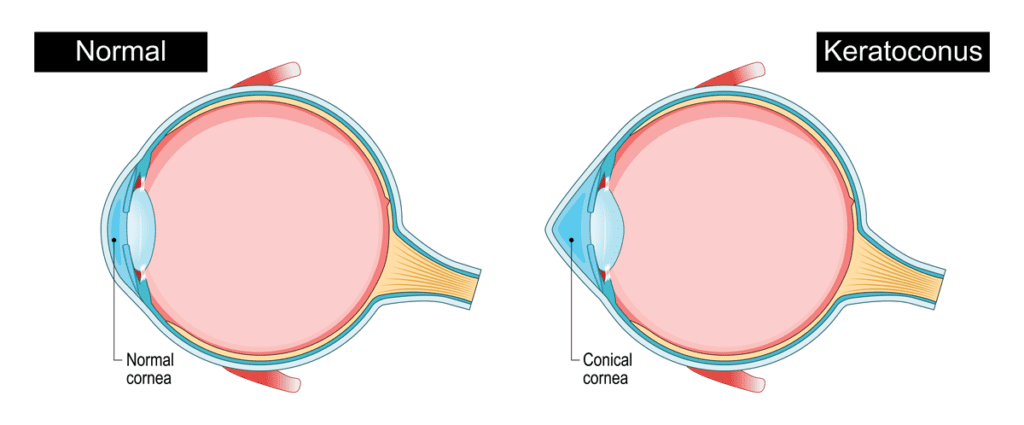
- Keratoconus: This is a more serious condition where the cornea thins and bulges into a cone shape, causing significant distortion. It needs specialized care, which we’ll touch on later.
The bottom line? A comprehensive Annual Eye Exam is non-negotiable. It’s not just for a prescription; it’s a health check that determines what you’re a candidate for. Which brings us to…
The Laser Eye Surgery Lineup: It’s Not One-Size-Fits-All
“LASIK eye surgery” is the celebrity name everyone knows, but it’s just one star in a whole constellation of procedures. Picking the right one is where a great best Lasik surgeon earns their title. Let’s break down the all-stars.
The Main Event: LASIK and Its Cool Cousins
Traditional LASIK: The Tried-and-True Workhorse
This is the classic. A thin flap is created on the cornea’s surface, a laser reshapes the underlying tissue, and the flap is laid back down. The Lasik recovery is famously quick—many people see clearly within 24 hours. It’s fantastic for treating nearsightedness, farsightedness, and astigmatism. But it’s not for everyone. If you have thinner corneas or a very active lifestyle (boxers, we’re looking at you), we might suggest another option.
Wavefront & Topography-Guided LASIK: The Custom Tailored Suit
Think of this as LASIK 2.0. Wavefront Analysis maps the unique imperfections of your entire optical system—like a fingerprint of your vision. Topography-Guided LASIK Surgery takes a detailed 3D map of your cornea’s surface. These technologies let us plan a treatment that’s hyper-personalized to you, often aiming for vision that’s sharper than what glasses or contacts could achieve. IMO, this is where technology gets really exciting.
Advanced PRK Surgery: The “No-Flap” Alternative
PRK is the O.G. of laser vision correction. Instead of creating a flap, we gently remove the very thin surface layer of the cornea (the epithelium) before applying the laser. It’s fantastic for people with thinner corneas or certain occupations. The catch? The recovery is a bit more gradual than LASIK. You need a few days of downtime, and vision clears over a week or two. But the long-term outcome? Just as excellent.
Beyond the Basics: Solutions for Specific Needs
PresbyLASIK Surgery: For the “Short Arm” Syndrome
Remember presbyopia? PresbyLASIK is a clever technique, often called blended vision. We correct one eye for distance and the other for near vision. Your amazing brain blends the two, giving you a fantastic range of focus without readers. It takes a little adaptation, but for the right person, it’s life-changing.
Corneal Cross-Linking: The Stabilizer
This isn’t for routine vision correction. Corneal Cross-Linking is a breakthrough treatment to halt the progression of keratoconus. We use riboflavin (Vitamin B2) drops and UV light to strengthen the corneal collagen, like adding supportive cross-ties to a structure. It’s a vital procedure to preserve vision and often makes other corrective procedures possible later on.
The Dry Eye Reality Check
Let’s be honest: Dry Eye Treatment is a crucial part of this conversation, not an afterthought. Laser surgery can temporarily affect your nerves’ ability to signal for tear production. Any good clinic will thoroughly evaluate your tear film beforehand and have a robust management plan for after. We consider pre-op Dry Eye Treatment essential for optimal results and comfort.
Okay, But How Do We Actually Decide What’s Best for You?
Great question. It’s not a menu you pick from. It’s a diagnostic journey. At our practice in Vienna, Virginia, the consultation is everything. We run a battery of tests that go way beyond a standard eye exam. We’re talking about measuring corneal thickness, mapping the cornea’s shape, analyzing your pupil size, and evaluating your tear film. All this data tells a story and points to the safest, most effective procedure for your unique eyes.
Let’s Get Real: Cost, Recovery, and Those Nagging Questions
We have to talk about the price. The elephant in the room. Laser eye surgery is an investment. The cost can vary based on the technology used and the complexity of your prescription. Chasing the cheapest affordable option can be, frankly, risky. You’re investing in your surgeon’s expertise, the quality of their technology, and their follow-up care. When you look for “Lasik eye surgeons” or “Lasik doctors” near me, please look at the value, not just the number.
What’s Recovery Really Like?
We won’t sugarcoat it. You’ll need to take it easy for a bit.
- LASIK: Quick. Some gritty discomfort for a few hours, then a nap. Vision is often clear the next day.
- PRK: More gradual. Plan for 3-5 days off work. Vision improves steadily over a few weeks.
- For all procedures: No rubbing, strict use of medicated drops, and maybe wearing shields at night so you don’t accidentally poke yourself (we’ve all been there in our sleep).
Your Burning Questions, Answered
-
What’s the actual success rate?
The success rate for achieving 20/20 vision or better is incredibly high—often above 95% for common prescriptions. But “success” also means a huge reduction in dependency on glasses or contacts. Patient satisfaction is routinely over 98%. Not many medical procedures can say that 🙂 -
How do I find the best surgeon nearby?
Look beyond a Google search for “laser eye surgery” closest to you. Read reviews, yes. But also look at their credentials, how much time they spend in consultation, and what technology they use. Are they offering the latest like Topography-Guided treatment? Come talk to us at Liberty Laser Eye Center in Washington DC’s backyard. We’re transparent about when someone is or isn’t a candidate. -
Is it painful?
During the procedure? No. We use numbing drops. You’ll feel pressure, but no pain. Afterward, it’s mostly discomfort (like an eyelash in your eye) that fades quickly with LASIK, and is more manageable with PRK. -
What if I move my eye during surgery?
This is the #1 fear. Modern lasers like the ones we use have ultra-fast eye trackers that follow your eye’s micro-movements thousands of times per second. If you look away, the laser pauses. It’s brilliant tech that takes the pressure off you.
A Quick Comparison: Your Vision Correction Cheat Sheet
| Procedure | Best For | Recovery Speed | Key Technology |
|---|---|---|---|
| Traditional LASIK | Standard nearsightedness, farsightedness, astigmatism | Very Fast (1-2 days) | Flap-based laser ablation |
| Wavefront/Topography LASIK | Higher-order aberrations; seeking potentially better than glasses vision | Very Fast (1-2 days) | Wavefront Analysis & 3D Corneal Mapping |
| Advanced PRK | Thin corneas, very active lifestyles, some occupations | Gradual (1-2 weeks) | “No-flap” surface treatment |
| PresbyLASIK | Presbyopia (age-related near vision loss) | Fast (brain adaptation needed) | Monovision/Blended Vision technique |
| Corneal Cross-Linking | Stabilizing Keratoconus | Several days | UV Light & Riboflavin |
Wrapping This Up: Your Next Clear-Eyed Step
Look, ditching glasses and contacts isn’t just about convenience. It’s about freedom. Waking up and seeing the clock. Swimming without panic. Seeing your kids’ faces clearly at the pool. That’s the good stuff.
The path to get there starts with a conversation, not a commitment. Arm yourself with facts, ask the hard questions about cost and recovery, and choose a team that feels like partners, not a sales pitch.
We’re obviously proud of what we do at Liberty Laser Eye Center in Vienna, Virginia. We’ve built our practice on this detailed, patient-first approach because we’re enthusiasts, too. We geek out over Wavefront Analysis and get genuinely excited about a perfect topography map. So if you’re looking for the nearest experts who will treat your eyes with the same care we’d want for our own, give us a call. Let’s have that conversation and see what’s possible. Your future clear-eyed self will thank you.
Related Articles
People Also Ask
The cost of LASIK eye surgery in Washington, D.C., typically ranges from $2,000 to $4,000 per eye. This wide variation depends on several factors, including the technology used, the surgeon's experience, and the complexity of your prescription. Advanced all-laser procedures, which offer greater precision, often command a higher price. It is crucial to view cost in the context of value; a comprehensive consultation should evaluate your candidacy and explain what the quoted fee includes, such as pre-and post-operative care. For detailed information on the advanced technology available locally, we recommend reading our internal article, All-Laser LASIK Services in Washington, D.C.. Always seek a provider who prioritizes personalized care over the lowest price.
The best place for LASIK surgery is a reputable, accredited center with experienced, board-certified surgeons who utilize the latest FDA-approved technology. Look for a practice that offers a comprehensive consultation, transparent pricing, and detailed patient education. It is crucial to choose a facility that performs thorough pre-operative screening to ensure you are a good candidate, as patient safety and realistic expectations are paramount. For a clear example of what to expect from a top-tier provider, we detail the entire process in our internal article, Washington DC LASIK Surgery Day Walkthrough. This resource provides an invaluable walkthrough of a typical surgery day, from arrival to recovery.
When seeking the best cataract surgeons in the Washington, D.C. area, it is crucial to prioritize board certification, extensive experience, and the use of advanced technology. Look for ophthalmologists who are fellows of the American Academy of Ophthalmology and have specialized training in cataract and refractive surgery. Surgeons affiliated with major academic centers or highly-regarded private practices often have access to the latest laser-assisted and premium lens implant options. Patient reviews and personal referrals can offer valuable insights into a surgeon's skill and bedside manner. A comprehensive consultation should include a detailed eye exam, discussion of all lens options (like multifocal or toric IOLs), and a clear explanation of the procedure and recovery. Ultimately, the best surgeon is one who inspires confidence through their expertise, transparency, and a proven track record of successful outcomes.