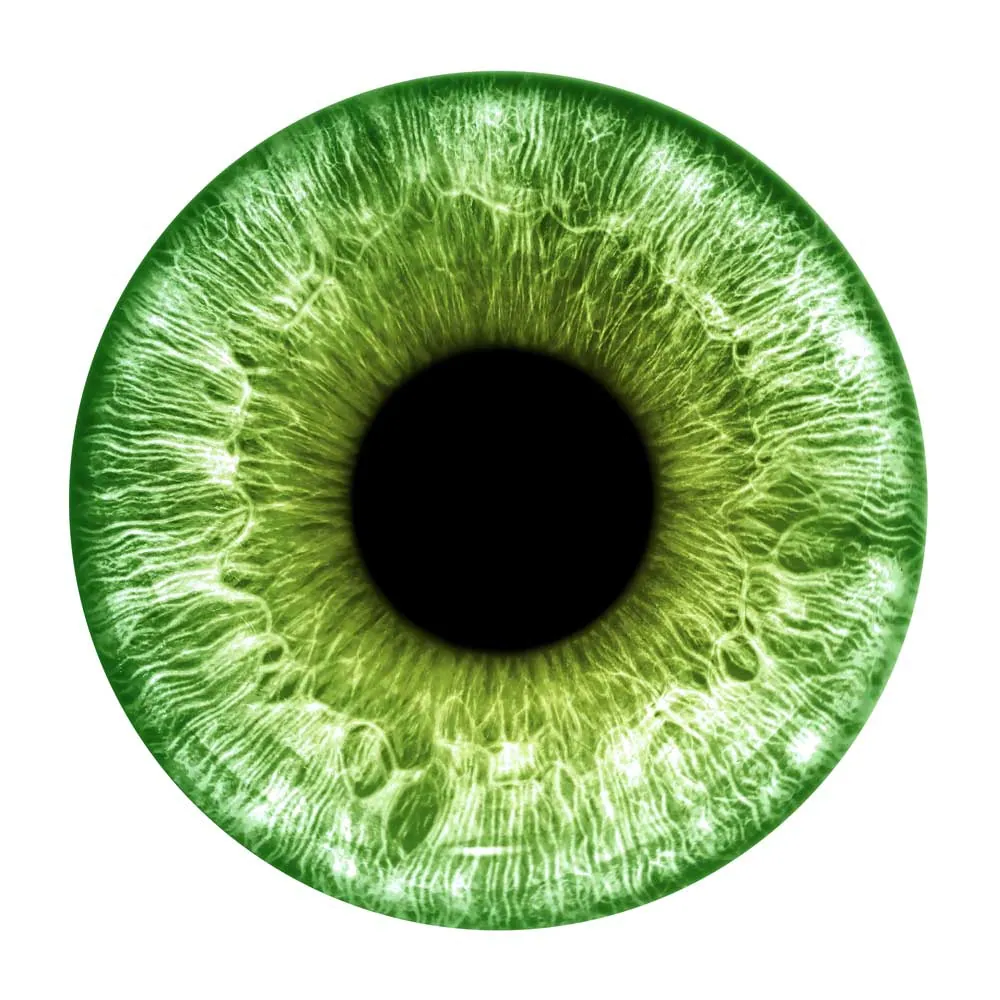

Let’s Get Real About Laser Vision Correction: Your No-Nonsense Guide
Alright, let’s have a chat. You’re here because the idea of tossing your glasses or ditching your contacts has crossed your mind more than once. Maybe you’re tired of the “where did I put my glasses?” morning scramble, or you’ve had one too many dry, irritated eyes from contacts. We get it. We’ve listened to these stories for years at our clinic in Vienna, Virginia.
At Liberty Laser Eye Center, we spend our days turning that curiosity into clear, confident vision. And we’ve learned that the biggest hurdle isn’t the procedure itself—it’s wading through the ocean of information, myths, and marketing out there. So, let’s cut through the noise together. Think of this as a friendly debrief from a fellow enthusiast who’s seen it all, from the simple questions to the complex cases.
Your Eyes Are Not All the Same (And Thank Goodness For That)
First, a crucial fact: laser vision correction is not a one-size-fits-all situation. If anyone tells you it is, run. The single most important step in this entire journey is a comprehensive, data-driven evaluation. This is where we separate the hopeful from the truly eligible.
We don’t just check if you can see the big “E.” We map your corneas with insane detail using Wavefront Analysis and corneal topography. We measure your pupil size, corneal thickness, and tear film quality. Why? Because your eyes are as unique as your fingerprint. This data tells us not just if you’re a candidate, but which procedure is your perfect match. It’s the difference between a good outcome and a great one.
The Laser Lineup: It’s More Than Just “LASIK”
When people search for “Lasik eye surgery near me,” they often use “LASIK” as a catch-all term. IMO, that’s like using “vehicle” to describe everything from a bicycle to a semi-truck. Let’s break down the main eye surgery types we work with every day.
The Classic: LASIK
This is the one everyone knows. We create a thin corneal flap, reshape the underlying tissue with a laser, and lay the flap back down. It’s fantastic for treating nearsightedness, farsightedness, and astigmatism. Lasik recovery is famously quick—many people see clearly by the next morning.
The Flap-Free Contender: Advanced PRK Surgery
Before LASIK, there was PRK. And guess what? It’s still a superstar, especially for those with thinner corneas or certain lifestyles (think martial artists or firefighters). Instead of a flap, we gently remove the very surface layer of the cornea. The reshaping happens underneath, and the surface layer regenerates naturally. The initial recovery takes a few more days than LASIK, but the long-term visual outcome is equally excellent.
The Mid-Life Vision Saver: PresbyLASIK Surgery
Hitting 45 and suddenly needing reading glasses? That’s presbyopia, and standard LASIK doesn’t fix it. Enter PresbyLASIK. This clever technique uses the laser to create a multifocal effect on your cornea, enhancing your depth of focus. It’s like having a progressive lens built into your eye. It’s a game-changer for that “arms aren’t long enough anymore” phase of life.
The High-Tech Custom Option: Topography-Guided LASIK Surgery
For corneas that are a bit more irregular—maybe due to previous surgery or unusual astigmatism—this is our go-to. It uses ultra-detailed corneal mapping (that topography we talked about) to guide the laser with pinpoint, personalized precision. It’s custom sculpting at its finest.
Beyond Vision Correction: The Health Side of Things
A great laser vision center doesn’t just focus on elective procedures. We’re eye health advocates first. Two critical treatments we offer that often surprise people:
- Corneal Cross-Linking: This isn’t for vision correction; it’s a stabilization procedure for keratoconus, a condition where the cornea weakens and bulges outward. It’s a vital treatment to protect long-term eye health.
- Dry Eye Treatment: Chronic dry eye can disqualify you from surgery, and it can affect your quality of life every single day. We don’t just recommend drops and send you on your way. We offer real, advanced Dry Eye Treatment plans because healthy, comfortable eyes are the ultimate goal.
The “But What About…” Questions We Hear Daily
Let’s tackle the big ones head-on. These are the questions that keep people up at night.
1. How do I find the best Lasik surgeon?
Look beyond the billboards. Look for:
- Experience: How many procedures has the surgeon performed?
- Technology: Do they offer multiple platforms (like the ones we discussed) to match the procedure to you, not you to the procedure?
- Transparency: Are they upfront about cost, success rate, and potential risks?
- Reviews: Read patient reviews carefully. Look for consistent mentions of staff kindness, thorough consultations, and follow-up care.
2. Is it painful?
During the procedure? Not really. You’ll feel pressure, but no sharp pain. We use numbing drops. Afterward, it varies. LASIK often feels like gritty, watery eyes for a few hours. PRK can involve more discomfort for a couple of days. We give you a detailed plan and medications to manage it all. It’s very manageable.
3. What’s the real cost? Is there “affordable” LASIK?
Let’s be blunt: be wary of the super low-price ads. You’re not buying a commodity; you’re investing in a lifetime of vision on your most precious sense. The price should reflect the technology, the surgeon’s expertise, and the comprehensive care before and after. At Liberty Laser Eye Center, we believe in clear, all-inclusive pricing. We’d rather you make a decision based on value and trust, not a headline price that might have hidden fees.
4. What’s the success rate?
For suitable candidates, LASIK has one of the highest patient satisfaction rates of any elective procedure—over 96%. But “success” means achieving the planned outcome, which is often driving or living daily life without glasses. Perfection isn’t guaranteed, and some may still need glasses for specific tasks like night driving. We set realistic expectations from day one.
Your Yearly Check-Up is Still Non-Negotiable
A quick but vital PSA: having laser vision correction doesn’t mean you’re done with eye doctors for life. You still need an Annual Eye Exam. We’re checking the health of your retina, screening for glaucoma, and ensuring everything is stable. It’s just that now, you can probably see the eye chart clearly without fumbling for glasses first 🙂
A Handy Comparison: Your Quick-Reference Guide
| Consideration | LASIK | Advanced PRK | PresbyLASIK |
|---|---|---|---|
| Best For | Standard near sighted, farsighted, astigmatism correction. Fast recovery. | Thin corneas, certain occupations/hobbies, some corneal irregularities. | Presbyopia (age-related need for readers) often combined with other corrections. |
| The Process | Creation of a corneal flap. Laser reshaping under flap. | Surface layer removed. Laser reshapes surface. No flap. | Creates a multifocal corneal shape to extend range of vision. |
| Recovery Speed | Very fast. Vision clears within hours to a day. | Slower initial healing (3-5 days). Full clarity over a few weeks. | Similar to standard LASIK recovery. Brain adaptation to new vision takes some time. |
| Key Advantage | Minimal discomfort, rapid visual recovery. | No flap-related concerns, strong long-term stability. | Addresses the frustrating need for reading glasses after 40. |
Why This All Matters in Vienna, Virginia (And For Our DC Friends)
Living in the Washington DC metro area means a fast-paced life. Your commute, your screen time, your weekends exploring—they all demand clear, effortless vision. When you’re looking for the closest or nearest center, don’t just choose a location. Choose a partner in your eye care.
That’s the philosophy we’ve built Liberty Laser Eye Center around. We’re not a high-volume factory. We’re a team of dedicated Lasik doctors and Lasik eye surgeons who take the time to explain these facts, answer every “what if,” and ensure you feel confident, not just scheduled.
So, what’s the next step? It starts with a conversation. Come see us in Vienna for a no-pressure evaluation. We’ll map your eyes, review your lifestyle, and have an honest talk about your options. Because the best Lasik surgeon for you is the one who sees you as a person, not just a pair of eyes.
Ready to see what your future could look like? Let’s talk
Related Articles
People Also Ask
Vision typically improves within 24 to 48 hours after a YAG laser capsulotomy, with many patients noticing a significant difference immediately after the procedure. The treatment clears a cloudy posterior capsule (posterior capsular opacification) that has developed after cataract surgery, allowing light to properly reach the retina again. While the initial clearing is instant, your brain may take a short period to fully adapt to the sharper, brighter images. Some patients may experience floaters for a few days as the disrupted capsule particles settle. A follow-up appointment is usually scheduled to confirm the success of the procedure and ensure your eye pressure remains stable, as a temporary increase is a potential side effect.
The most advanced technology for vision correction is SMILE (Small Incision Lenticule Extraction) laser eye surgery. It represents a significant evolution from older LASIK and PRK procedures. SMILE is a minimally invasive, flapless procedure where a femtosecond laser creates a precise lenticule (a small, lens-shaped piece of tissue) within the cornea, which is then removed through a tiny 2-4mm incision. This reshapes the cornea to correct myopia (nearsightedness) and astigmatism. Key advantages include greater corneal biomechanical stability, reduced dry eye symptoms, and a faster recovery of comfort compared to traditional flap-based methods. It is considered a top-tier, single-laser solution for suitable candidates seeking long-term visual freedom.
PRK (Photorefractive Keratectomy) and LASIK are both highly effective laser vision correction procedures, but one is not universally "better" than the other. The optimal choice depends on individual patient factors. PRK, an older technique, involves removing the thin outer layer of the cornea (epithelium) before reshaping the underlying tissue with a laser. It is often recommended for patients with thinner corneas, certain corneal shapes, or those in professions with a higher risk of facial impact. LASIK creates a thin corneal flap before reshaping, typically offering a faster visual recovery and less initial discomfort. The key is a comprehensive pre-operative evaluation at a qualified center to assess corneal thickness, prescription, eye health, and lifestyle to determine which procedure is safer and more effective for your specific eyes.
A newer alternative to LASIK is SMILE (Small Incision Lenticule Extraction). This minimally invasive procedure corrects myopia and astigmatism by creating a small, precise lens-shaped piece of tissue (a lenticule) inside the cornea and removing it through a tiny incision. Unlike LASIK, which creates a corneal flap, SMILE is a flapless surgery, which can mean greater corneal biomechanical stability and potentially less risk of dry eye. It is an excellent option for many patients, particularly those with thinner corneas or active lifestyles. However, the "best" procedure is highly individual. A comprehensive consultation at a clinic like Liberty Laser Eye Center is essential to determine if SMILE, LASIK, or another advanced option like PRK is the optimal vision correction solution for your unique eyes and lifestyle.
A new and increasingly popular alternative to LASIK is SMILE (Small Incision Lenticule Extraction). This minimally invasive procedure corrects myopia and astigmatism by using a femtosecond laser to create a precise lenticule within the cornea, which is then removed through a very small incision. Compared to LASIK, SMILE offers potential advantages such as greater corneal biomechanical stability, a reduced risk of dry eye, and less disruption to corneal nerves. It is an excellent option for patients with thinner corneas or those involved in contact sports. However, candidacy depends on a comprehensive eye examination. Consulting with a qualified ophthalmologist is essential to determine if SMILE or another vision correction procedure is the best choice for your individual eye health and lifestyle.
The latest eye correction technologies in 2025 continue to advance with a focus on precision, customization, and faster recovery. Key innovations include advanced wavefront-guided and topography-guided LASIK, which create highly personalized treatment maps for the cornea. There is also significant progress in SMILE (Small Incision Lenticule Extraction) procedures, offering a flapless, minimally invasive option with robust outcomes. Additionally, technologies incorporating artificial intelligence for surgical planning and new laser platforms with faster tracking and treatment times are enhancing safety and accuracy. For conditions like presbyopia, extended depth of focus (EDOF) intraocular lenses and laser blended vision techniques are providing improved near and intermediate vision. Consulting with a qualified surgeon is essential to determine which technology aligns with your specific vision needs and corneal characteristics.