
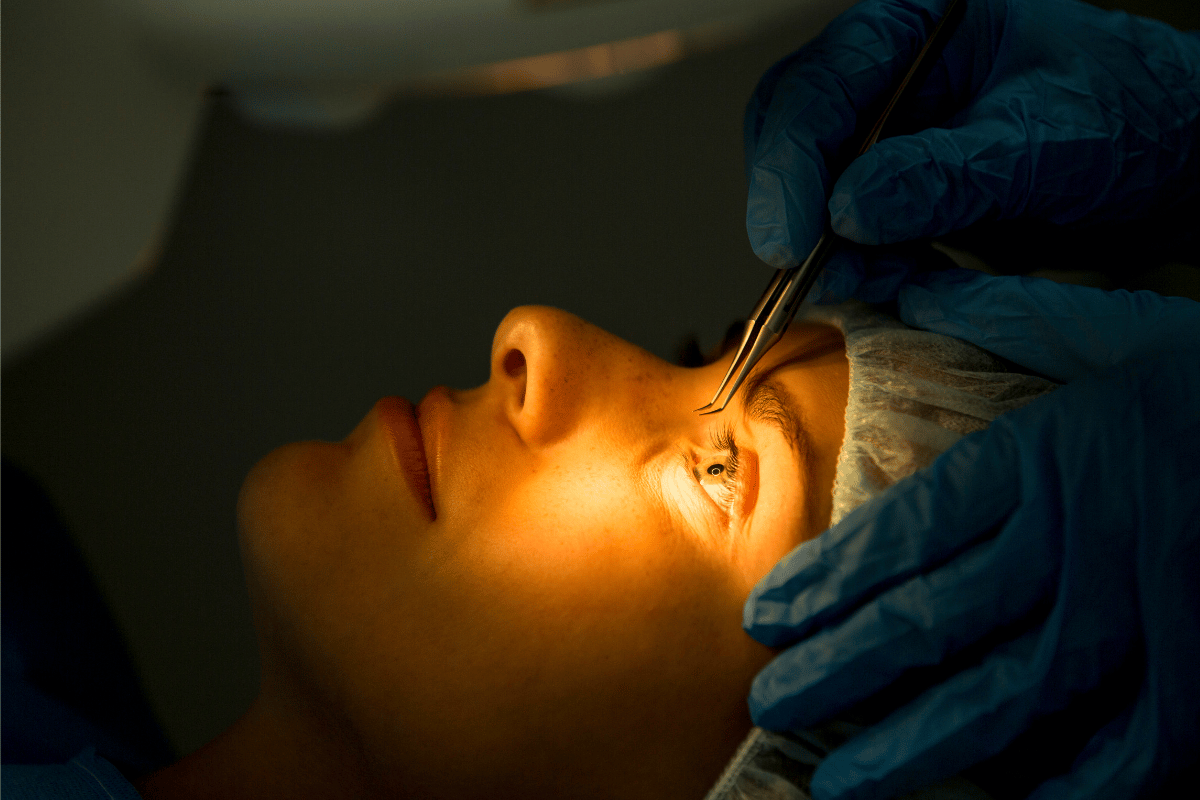

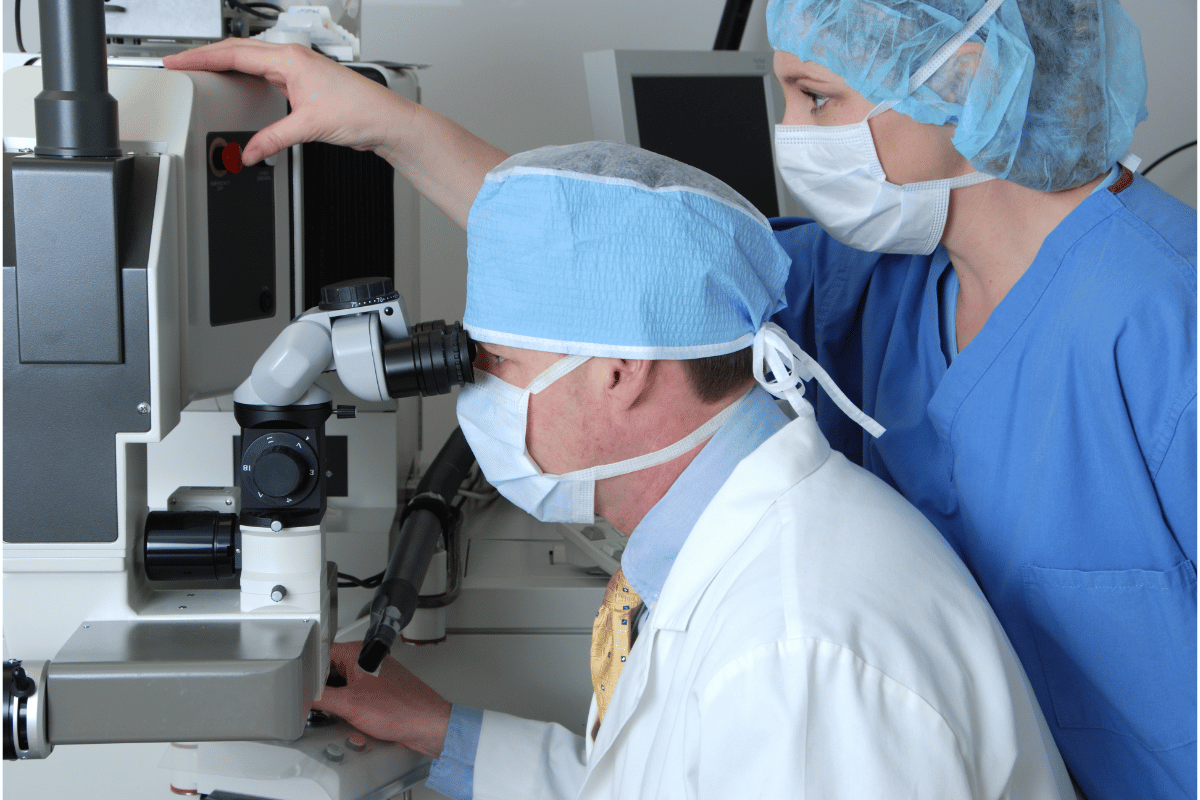

I had a great experience at Liberty Laser Eye Center. Dr. Nancy Tanchel and her entire team were extremely professional, kind, and made me feel comfortable throughout the whole process. They explained everything clearly and answered all of my questions, which really helped me feel confident before the procedure.
The surgery went smoothly and the staff was very supportive from start to finish. I’m very grateful to Dr. Tanchel and her team for their excellent care and professionalism.
Thank you all for helping me improve my vision. I truly appreciate the great work you do.

My vision wasn't terrible, but I was just sick of dealing with the hassle of contacts for sports until I came here. Great and professional business

I had a really good experience at Liberty Laser Eye Center. The staff was friendly and made me feel comfortable the whole time. The procedure was quick, and my vision is so much better now.

Informative staff offering careful evaluations and supportive patient care throughout the process.

Having LASIK surgery was the best thing I have ever done. Waking up every morning with the ability to see 20/20 without having to reach for my glasses or contacts is the ultimate freedom. The surgery was painless and the staff was incredible. I highly recommend it so don't wait!

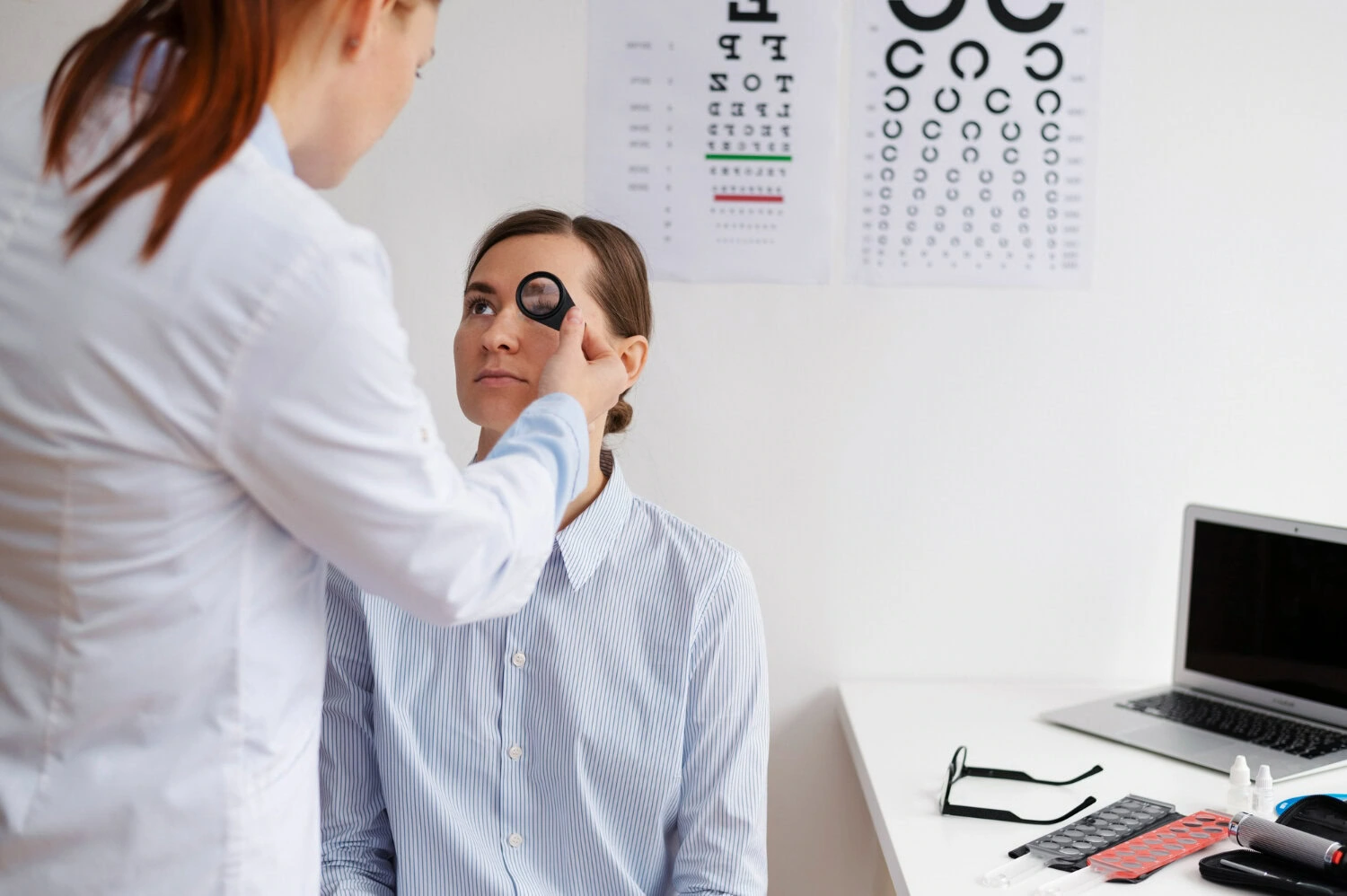
Brought My grandmother for her eye exam. Jeeimy helped us and explained in detail such amazing team.

I’d been thinking about LASIK for years but kept putting it off out of sheer nervousness. The staff at Liberty are some of the kindest and most patient people I’ve ever met. It’s been a few months and I’m still not used to the freedom of just rolling out of bed and seeing.

I consider this the best investment I've ever made in myself, no question about it. The freedom of just rolling out of bed and being able to see is something I'll never take for granted.
The most successful treatment for dry eye disease is typically a comprehensive, multi-faceted approach tailored to the individual's specific type and cause. For many patients, this begins with consistent use of preservative-free artificial tear lubricants and lifestyle modifications like increased humidity and proper eyelid hygiene. For persistent cases, prescription medications such as anti-inflammatory eye drops (like cyclosporine or lifitegrast) are highly effective. In-office procedures, including thermal pulsation (LipiFlow) to unblock meibomian glands or punctal plugs to conserve tears, often provide significant, long-lasting relief. Success hinges on a precise diagnosis from an eye care professional to determine if the issue is primarily tear deficiency or evaporative.
The 20-20-20 rule is a simple, effective strategy to help manage and prevent digital eye strain, which is a major contributor to dry eye symptoms. The rule states that for every 20 minutes spent looking at a computer, smartphone, or other digital screen, you should take a 20-second break and look at something at least 20 feet away. This practice helps because prolonged near work reduces your blink rate significantly, leading to increased tear evaporation and dryness. Looking into the distance allows your focusing muscles to relax and encourages more complete blinking, which spreads a fresh layer of tears across the eye's surface. This is a cornerstone of good visual hygiene in the digital age and is often recommended alongside other dry eye management techniques like using artificial tears and ensuring proper monitor positioning.
Dry eyes can be linked to a deficiency in Vitamin A, which is crucial for maintaining the health of the cornea and the conjunctiva, the mucous membrane covering the eye. This vitamin supports the production of moisture and essential components in tears. A deficiency in Vitamin D may also contribute, as it plays a role in reducing inflammation that can disrupt the tear film. While addressing nutritional gaps is important, chronic dry eye is a complex condition often requiring professional diagnosis. It's essential to consult with an eye care specialist to determine the underlying cause, which could range from environmental factors to other health issues, and to receive appropriate treatment that may include dietary changes, supplements, or medical interventions.
For managing dry eyes, the best doctor is typically an ophthalmologist who specializes in corneal and external diseases or a dedicated dry eye specialist. These eye doctors have advanced training to diagnose the specific type and cause of your dry eye syndrome, which is crucial because treatments vary widely. They can offer a comprehensive range of solutions beyond artificial tears, including prescription medications, in-office procedures like LipiFlow or intense pulsed light (IPL) therapy, and personalized management plans. For patients considering vision correction, it's essential to have dry eye thoroughly evaluated and treated beforehand, as discussed in our detailed resource Dry Eye Treatment & LASIK Recovery | Liberty Laser Eye Center Vienna, VA, to ensure optimal surgical outcomes and a comfortable recovery.


130 reviews

