

Juggling three toddlers while dealing with chronic burning eyes was an absolute nightmare. I finally found this Vienna clinic for Dry Eye Treatment. I booked my appointment online at two in the morning. The relief I felt after my visit was instantaneous.

Scheduling my Presby LASIK in Alexandria took five minutes online and finally got rid of my annoying reading glasses.

As a firefighter in Arlington I could not risk a corneal flap so I went with Advanced PRK. They handed me a flat quote upfront with zero hidden fees.

The Dunn Loring clinic calendar got me in instantly for Advanced PRK and their final bill matched the upfront quote perfectly.

I had been wearing glasses since I was a kid and finally decided it was time for a change. The team explained every step before the procedure and made sure I was completely comfortable. Recovery was easier than I expected, and my vision is now sharper than ever.

Everyone at the clinic made me feel comfortable from the moment I walked in. They were friendly, knowledgeable, and always willing to answer my questions. I never felt pressured into making a decision, which made the experience even better. I'm thrilled with my results

My vision had been getting worse every year, so I finally decided to schedule a consultation here. The testing was very thorough, and the doctor explained every result in a way that was easy to understand. The procedure was smooth, and I noticed a huge improvement in my eyesight the very next day.

I was impressed by how detailed the initial evaluation was before recommending treatment. They took the time to make sure I was a suitable candidate instead of rushing into surgery. That level of care gave me complete confidence. Everything went smoothly, and my vision has been excellent ever since.

The whole process was easy and the results was life-changing. This clinic is simple and the best and I would highly recommend this Eye Clinic.

This place combines advanced technology with genuinely caring service. The diagnostics were incredibly detailed and helped me understand my vision problems much better. Staff members were friendly, knowledgeable, and very reassuring throughout the process. Overall an outstanding experience.

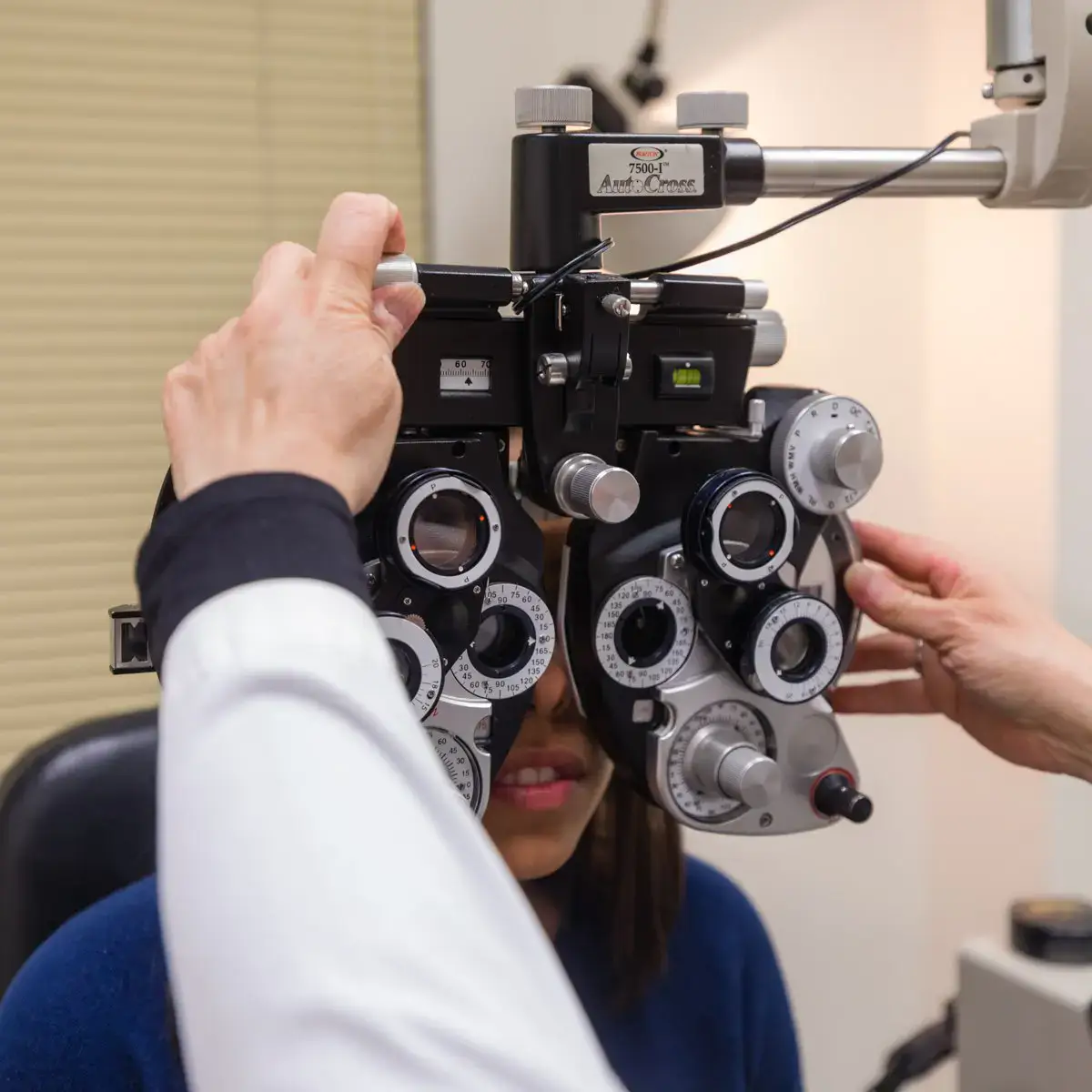


The most successful treatment for dry eyes depends on the underlying cause, but a comprehensive approach often yields the best results. Artificial tears provide temporary relief, while prescription anti-inflammatory drops like cyclosporine reduce corneal surface inflammation. For more persistent cases, punctal plugs can conserve natural tears by blocking drainage ducts. At Liberty Laser Eye Center, we emphasize that environmental factors also play a major role. For example, humidity levels can significantly impact tear film stability, which is why we recommend reading our internal article titled How Humidity Affects LASIK Outcomes for deeper insights. Ultimately, a personalized plan from an eye care professional remains the gold standard for managing this chronic condition.
For dry eyes, fruits rich in vitamin C and antioxidants are beneficial. Oranges, grapefruits, and other citrus fruits help support eye health by reducing inflammation. Berries like blueberries and strawberries are also excellent because they contain powerful antioxidants that may protect the tear glands. At Liberty Laser Eye Center, we often recommend a diet high in omega-3s and vitamins. Including these fruits in your daily routine can complement your dry eye management, but they are not a substitute for professional treatment.
Insurance coverage for dry eye therapy varies significantly by plan and treatment type. Most insurers consider dry eye a medical condition, so diagnostic exams are often covered. However, treatments like prescription drops, punctal plugs, or in-office procedures (such as IPL or intense pulsed light) may require prior authorization or be deemed elective. At Liberty Laser Eye Center, we recommend checking your specific benefits, as many plans cover a portion of medically necessary care but exclude cosmetic or premium options. For a clear breakdown, ask your insurer about your deductible and copay for dry eye services. We also provide a detailed guide in our internal article titled Dry Eye Treatment, which outlines typical coverage scenarios and how to maximize your benefits. Always confirm with your provider before scheduling.
When seeking the best doctor for dry eyes, look for an ophthalmologist or optometrist who specializes in ocular surface disease. A specialist will conduct a comprehensive evaluation using advanced diagnostics like tear osmolarity and meibography to determine the root cause of your dryness, which can range from aqueous deficiency to meibomian gland dysfunction. The best doctor will create a personalized treatment plan that may include prescription eye drops, punctal plugs, or in-office procedures like intense pulsed light therapy. For patients also considering vision correction, it is important to choose a practice that integrates dry eye management with surgical planning. At Liberty Laser Eye Center, our team addresses these concerns thoroughly, and we recommend reading our article Dry Eye Treatment & LASIK Recovery | Liberty Laser Eye Center Vienna, VA for more details on how we manage dry eye during LASIK recovery.



125 reviews