

Juggling three toddlers while dealing with chronic burning eyes was an absolute nightmare. I finally found this Vienna clinic for Dry Eye Treatment. I booked my appointment online at two in the morning. The relief I felt after my visit was instantaneous.

Scheduling my Presby LASIK in Alexandria took five minutes online and finally got rid of my annoying reading glasses.

As a firefighter in Arlington I could not risk a corneal flap so I went with Advanced PRK. They handed me a flat quote upfront with zero hidden fees.

The Dunn Loring clinic calendar got me in instantly for Advanced PRK and their final bill matched the upfront quote perfectly.

I had been wearing glasses since I was a kid and finally decided it was time for a change. The team explained every step before the procedure and made sure I was completely comfortable. Recovery was easier than I expected, and my vision is now sharper than ever.

Everyone at the clinic made me feel comfortable from the moment I walked in. They were friendly, knowledgeable, and always willing to answer my questions. I never felt pressured into making a decision, which made the experience even better. I'm thrilled with my results

My vision had been getting worse every year, so I finally decided to schedule a consultation here. The testing was very thorough, and the doctor explained every result in a way that was easy to understand. The procedure was smooth, and I noticed a huge improvement in my eyesight the very next day.

I was impressed by how detailed the initial evaluation was before recommending treatment. They took the time to make sure I was a suitable candidate instead of rushing into surgery. That level of care gave me complete confidence. Everything went smoothly, and my vision has been excellent ever since.

The whole process was easy and the results was life-changing. This clinic is simple and the best and I would highly recommend this Eye Clinic.

This place combines advanced technology with genuinely caring service. The diagnostics were incredibly detailed and helped me understand my vision problems much better. Staff members were friendly, knowledgeable, and very reassuring throughout the process. Overall an outstanding experience.


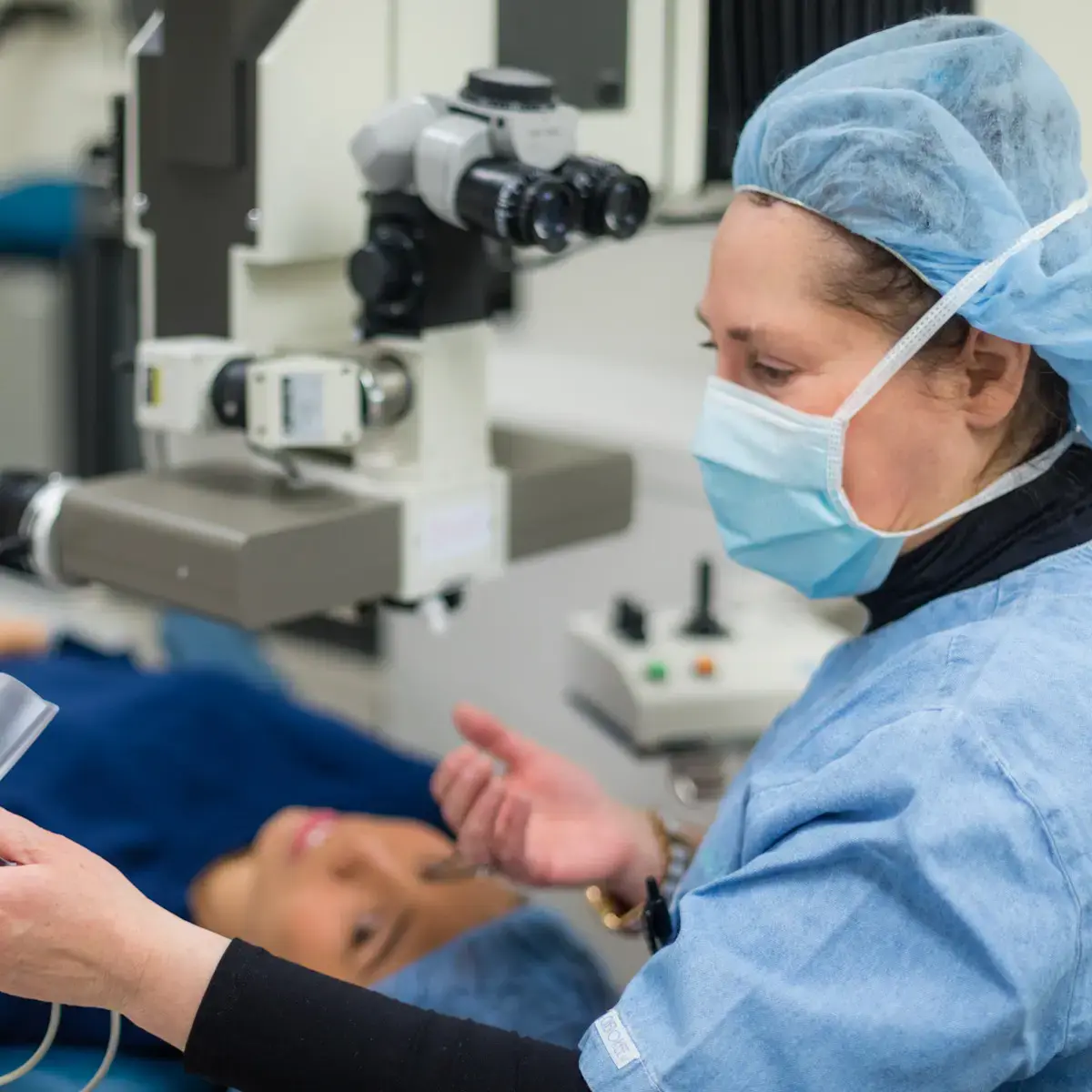

The most successful treatment for dry eyes depends on the underlying cause and severity of the condition. For mild cases, over-the-counter artificial tears and lifestyle changes, such as using a humidifier or taking breaks from screens, are often effective. For moderate to severe dry eye, prescription anti-inflammatory eye drops like cyclosporine or lifitegrast are commonly used to reduce inflammation and improve tear production. In-office procedures, such as punctal plugs to conserve tears or intense pulsed light therapy for meibomian gland dysfunction, can also provide significant relief. At Liberty Laser Eye Center, we emphasize a personalized approach. For more insights, you can read our internal article How Humidity Affects LASIK Outcomes, which explains how environmental factors like humidity influence dry eye symptoms and treatment success.
Insurance coverage for dry eye therapy varies widely depending on your specific plan and the type of treatment prescribed. Generally, diagnostic exams and prescription medications, such as anti-inflammatory eye drops, are often covered under medical insurance. However, advanced procedures like intense pulsed light (IPL) therapy or meibomian gland expression may be considered elective or cosmetic by some carriers, leading to partial or no coverage. It is essential to check with your provider for pre-authorization and to understand your out-of-pocket costs. At Liberty Laser Eye Center, we recommend verifying your benefits before scheduling. For a detailed breakdown of options and what to expect, please review our internal article titled Dry Eye Treatment. Our team can also assist with the necessary documentation for your claim.
The 20-20-20 rule is a widely recommended practice to reduce digital eye strain, which can worsen dry eye symptoms. The rule suggests that every 20 minutes, you should look at something 20 feet away for at least 20 seconds. This helps relax the eye muscles and encourages more complete blinking, which spreads moisture across the eye surface. For patients with dry eyes, consistent use of this rule can be very helpful. At Liberty Laser Eye Center, we often discuss this strategy alongside other treatments. For a deeper look at managing dryness, especially after vision correction, you can review our internal article Dry Eye Treatment & LASIK Recovery | Liberty Laser Eye Center Vienna, VA. This rule is a simple but effective part of a comprehensive dry eye care routine.
For managing dry eyes, the best doctor is typically an ophthalmologist or optometrist who specializes in ocular surface disease. A specialist can perform a comprehensive evaluation to determine the underlying cause, which may include meibomian gland dysfunction or environmental factors. At Liberty Laser Eye Center, our team is well-versed in treating dry eye, especially for patients considering or recovering from LASIK. For a deeper understanding of how dry eye treatment integrates with vision correction, we recommend reading our internal article titled Dry Eye Treatment & LASIK Recovery | Liberty Laser Eye Center Vienna, VA. This resource provides professional insights into pre- and post-operative care, ensuring your eyes remain comfortable and healthy throughout the process.



125 reviews