
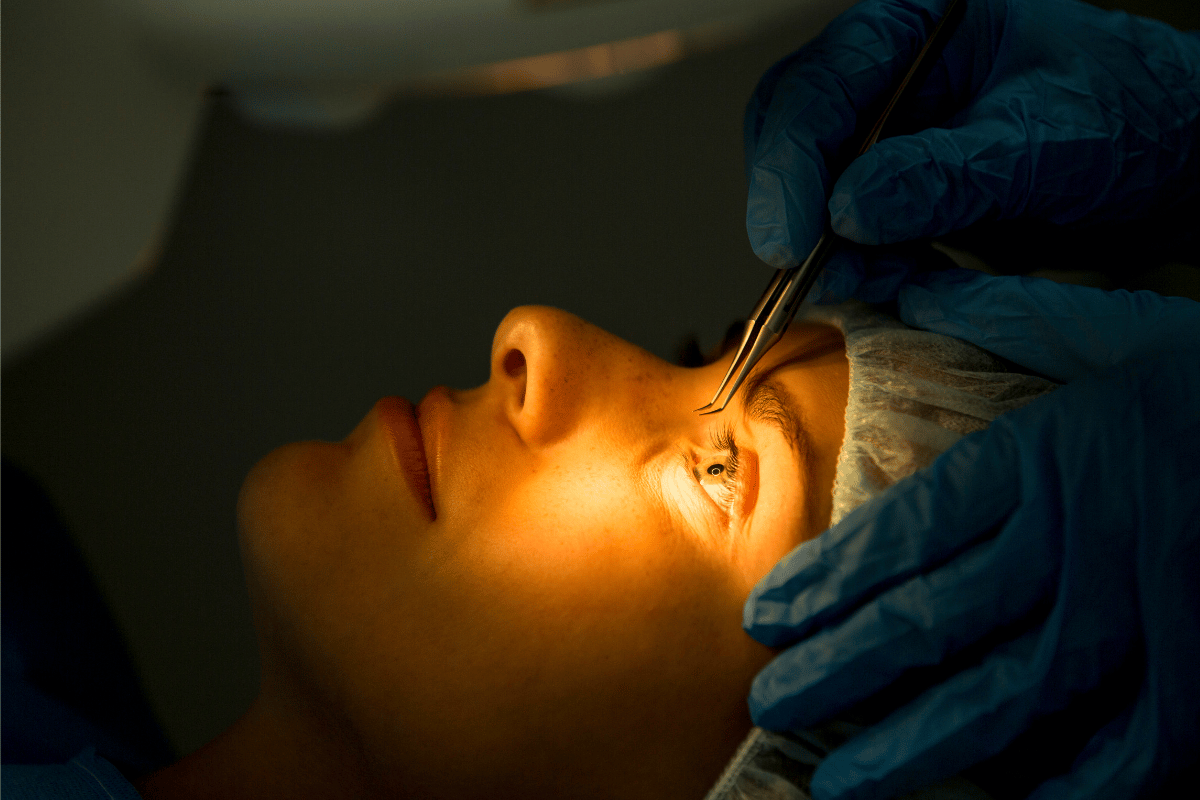

I had a great experience at Liberty Laser Eye Center. Dr. Nancy Tanchel and her entire team were extremely professional, kind, and made me feel comfortable throughout the whole process. They explained everything clearly and answered all of my questions, which really helped me feel confident before the procedure.
The surgery went smoothly and the staff was very supportive from start to finish. I’m very grateful to Dr. Tanchel and her team for their excellent care and professionalism.
Thank you all for helping me improve my vision. I truly appreciate the great work you do.

My vision wasn't terrible, but I was just sick of dealing with the hassle of contacts for sports until I came here. Great and professional business

I had a really good experience at Liberty Laser Eye Center. The staff was friendly and made me feel comfortable the whole time. The procedure was quick, and my vision is so much better now.

Informative staff offering careful evaluations and supportive patient care throughout the process.

Having LASIK surgery was the best thing I have ever done. Waking up every morning with the ability to see 20/20 without having to reach for my glasses or contacts is the ultimate freedom. The surgery was painless and the staff was incredible. I highly recommend it so don't wait!

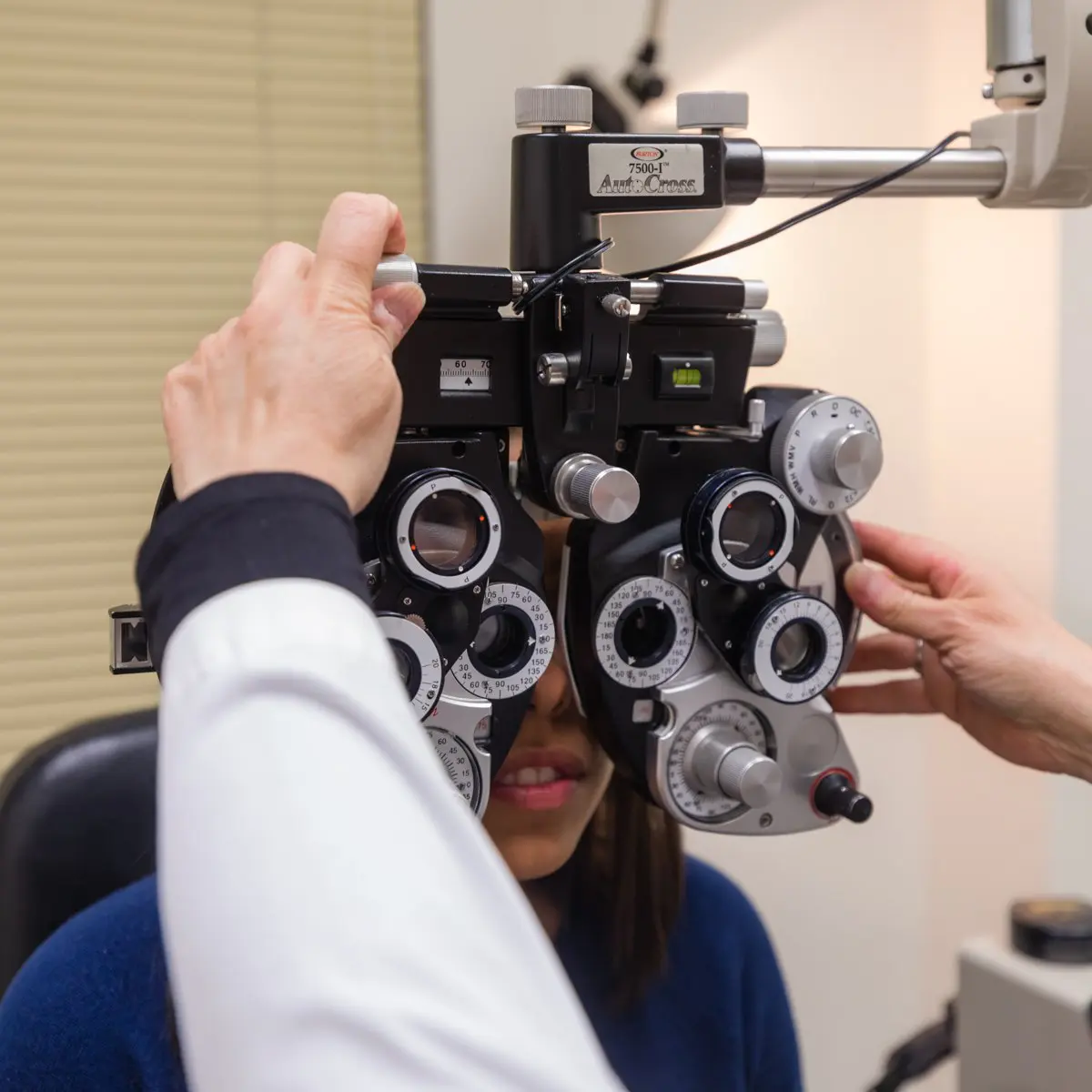
Brought My grandmother for her eye exam. Jeeimy helped us and explained in detail such amazing team.

I’d been thinking about LASIK for years but kept putting it off out of sheer nervousness. The staff at Liberty are some of the kindest and most patient people I’ve ever met. It’s been a few months and I’m still not used to the freedom of just rolling out of bed and seeing.

I consider this the best investment I've ever made in myself, no question about it. The freedom of just rolling out of bed and being able to see is something I'll never take for granted.
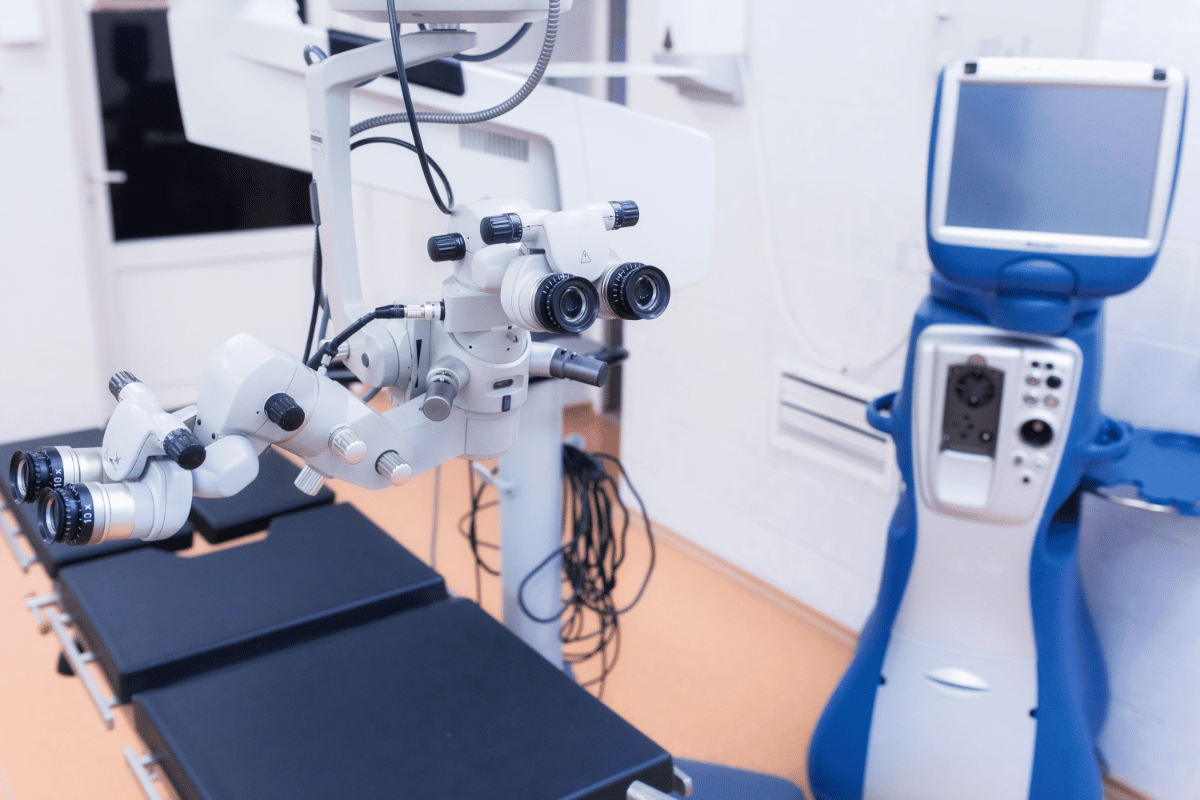
Finding a qualified ophthalmologist in McLean, VA, is crucial for comprehensive eye care. An ophthalmologist is a medical doctor (MD or DO) who specializes in eye and vision care, trained to perform eye exams, diagnose and treat disease, prescribe medications, and perform surgery. When searching, look for a board-certified professional with strong credentials and positive patient reviews. Consider their areas of specialty, such as cataract surgery, glaucoma, or refractive procedures like LASIK. A reputable practice will offer advanced diagnostic technology and a comfortable patient experience. For surgical consultations, ensure the surgeon has extensive experience and provides clear, personalized information about all available options and realistic outcomes.
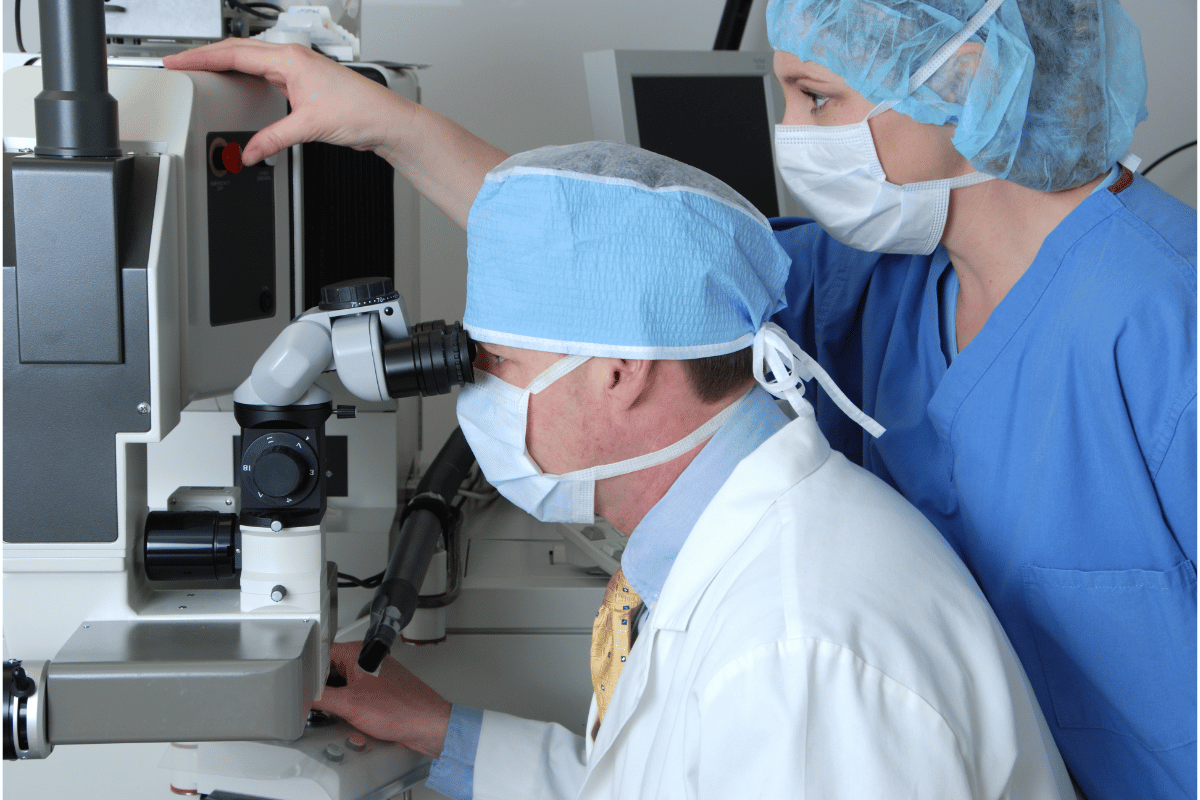
Your eye doctor in McLean is likely a highly trained professional, but it's important to understand the distinction between general optometry and specialized surgical care. For routine vision exams and prescriptions, an optometrist or ophthalmologist in McLean is an excellent choice. However, for procedures like LASIK, PRK, or cataract surgery, you should specifically seek a board-certified ophthalmologist who is a corneal refractive surgeon. These surgeons possess advanced, fellowship-level training in laser vision correction. When considering such procedures, research the surgeon's experience, the technology used at their center, and read patient reviews. A comprehensive consultation will determine your candidacy based on your corneal thickness, prescription, and overall eye health.


130 reviews

