
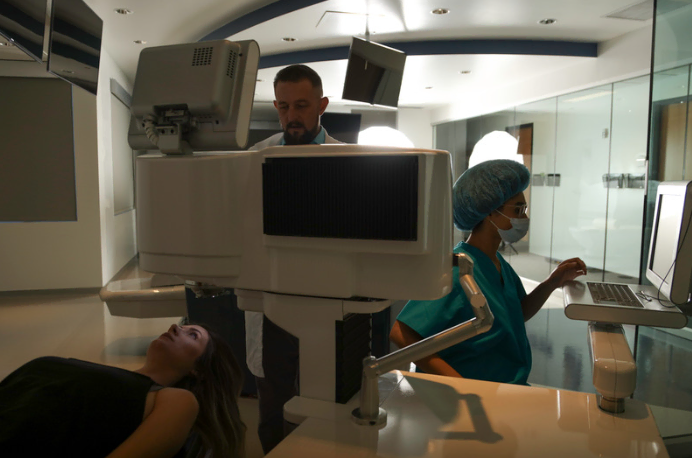
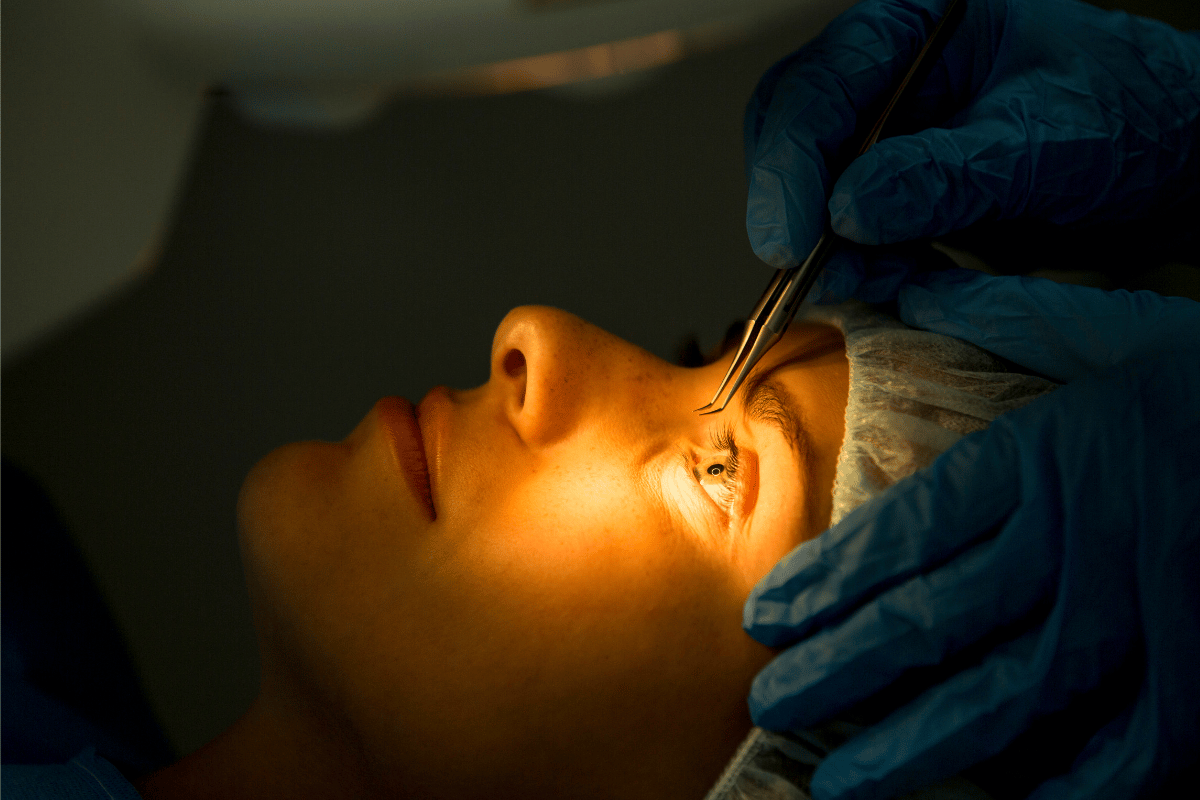

I had a great experience at Liberty Laser Eye Center. Dr. Nancy Tanchel and her entire team were extremely professional, kind, and made me feel comfortable throughout the whole process. They explained everything clearly and answered all of my questions, which really helped me feel confident before the procedure.
The surgery went smoothly and the staff was very supportive from start to finish. I’m very grateful to Dr. Tanchel and her team for their excellent care and professionalism.
Thank you all for helping me improve my vision. I truly appreciate the great work you do.

My vision wasn't terrible, but I was just sick of dealing with the hassle of contacts for sports until I came here. Great and professional business

I had a really good experience at Liberty Laser Eye Center. The staff was friendly and made me feel comfortable the whole time. The procedure was quick, and my vision is so much better now.

Informative staff offering careful evaluations and supportive patient care throughout the process.

Having LASIK surgery was the best thing I have ever done. Waking up every morning with the ability to see 20/20 without having to reach for my glasses or contacts is the ultimate freedom. The surgery was painless and the staff was incredible. I highly recommend it so don't wait!

Brought My grandmother for her eye exam. Jeeimy helped us and explained in detail such amazing team.

I’d been thinking about LASIK for years but kept putting it off out of sheer nervousness. The staff at Liberty are some of the kindest and most patient people I’ve ever met. It’s been a few months and I’m still not used to the freedom of just rolling out of bed and seeing.

I consider this the best investment I've ever made in myself, no question about it. The freedom of just rolling out of bed and being able to see is something I'll never take for granted.
If you are seeking a dry eye specialist in Washington, D.C., it is important to find a clinic with specific expertise in diagnosing and treating post-surgical and chronic dry eye conditions. Look for a center that offers a comprehensive diagnostic workup, including tear film evaluation and meibomian gland imaging. Treatment options can range from prescription eye drops and punctal plugs to advanced procedures like intense pulsed light (IPL) therapy. For individuals who have undergone vision correction, understanding the link between procedures like LASIK and dry eye is crucial. We discuss this relationship in detail, including effective prevention and long-term management strategies, in our internal article Dry Eyes After LASIK: Prevention And Management. A qualified specialist will create a personalized treatment plan to address your specific symptoms and improve ocular surface health.
Finding the best dry eye specialist in the USA involves looking for a board-certified ophthalmologist with a dedicated sub-specialty in corneal and external disease or ocular surface disease. Top specialists are often affiliated with major academic medical centers or renowned private practices like the Wills Eye Hospital, Bascom Palmer Eye Institute, or the Mayo Clinic. Key factors include the specialist's use of advanced diagnostic technology (such as meibography and tear osmolarity testing) and a comprehensive treatment approach that may include prescription medications, in-office procedures like LipiFlow or intense pulsed light (IPL) therapy, and personalized management plans. Patient reviews and professional referrals are also valuable indicators of expertise and quality care.
The FDA has approved specific light-based therapies for managing dry eye disease, with intense pulsed light (IPL) therapy being a prominent example. IPL treatment targets inflammation and meibomian gland dysfunction, which are common underlying causes of evaporative dry eye. The procedure involves applying precise pulses of broad-spectrum light to the periocular area. This helps reduce inflammatory mediators, improve meibomian gland function, and alleviate symptoms like burning, grittiness, and redness. Treatment typically involves a series of sessions. As a medical procedure, it must be performed by a qualified eye care professional who will determine if a patient is a suitable candidate based on a comprehensive dry eye evaluation.
LipiFlow is a specialized in-office treatment for evaporative dry eye caused by Meibomian Gland Dysfunction (MGD). It uses a combination of heat and gentle pressure to unclog the glands in your eyelids, restoring their natural ability to produce the oily layer of your tears. This helps prevent tear evaporation and improves overall eye comfort. To find a provider near you, the most reliable method is to search for "LipiFlow treatment" or "dry eye specialist" in your city or zip code. Look for ophthalmology or optometry practices that specifically advertise advanced dry eye management. It is crucial to schedule a comprehensive dry eye evaluation first to confirm MGD is the primary cause and that LipiFlow is the appropriate therapeutic option for your specific condition.
PRP eye drops, which involve platelet-rich plasma, are a specialized treatment for certain ocular surface conditions like severe dry eye or corneal ulcers. This therapy uses components from your own blood to promote healing and reduce inflammation. To find providers near you, search online for "ophthalmology clinics PRP eye drops" or "regenerative medicine eye care" in your city. It is crucial to consult with a qualified ophthalmologist who can assess if this treatment is appropriate for your specific condition. They will explain the procedure, which involves a blood draw and processing to create the drops, and discuss potential benefits and alternatives based on the latest clinical standards.


130 reviews

