

I had a great experience at Liberty Laser Eye Center. Dr. Nancy Tanchel and her entire team were extremely professional, kind, and made me feel comfortable throughout the whole process. They explained everything clearly and answered all of my questions, which really helped me feel confident before the procedure.
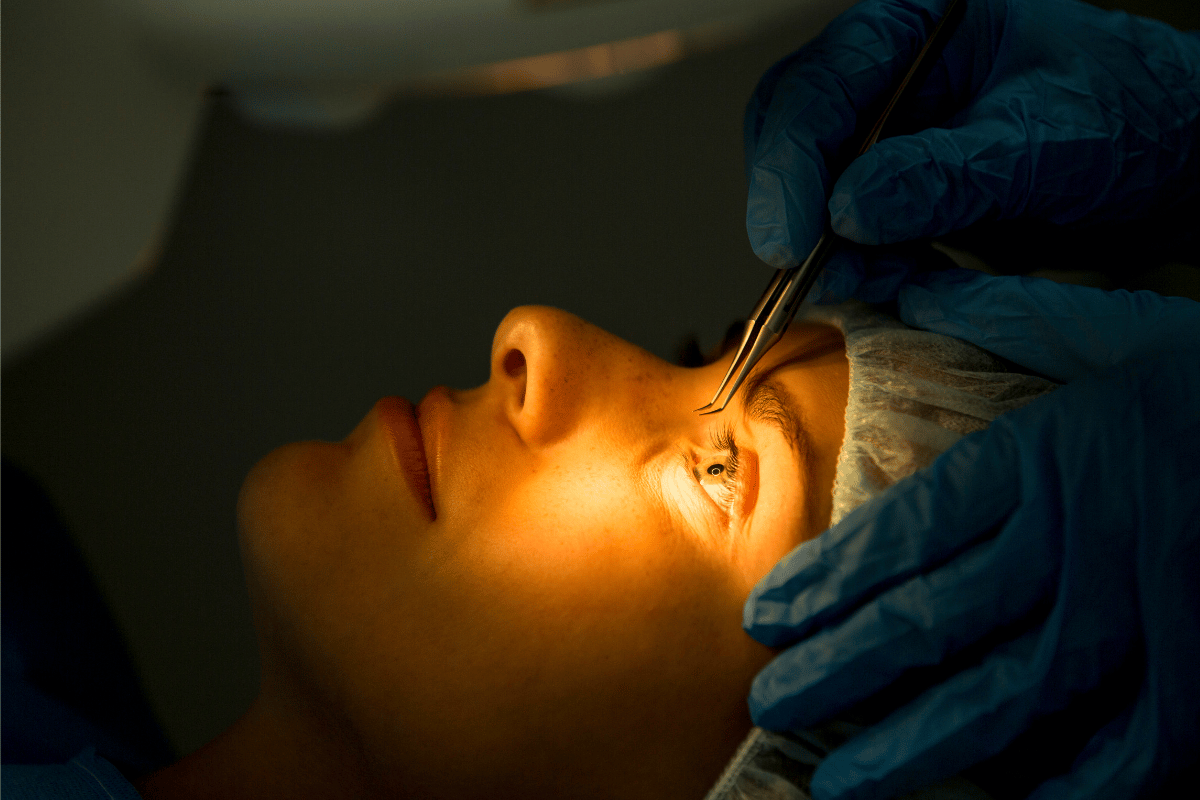
The surgery went smoothly and the staff was very supportive from start to finish. I’m very grateful to Dr. Tanchel and her team for their excellent care and professionalism.
Thank you all for helping me improve my vision. I truly appreciate the great work you do.

My vision wasn't terrible, but I was just sick of dealing with the hassle of contacts for sports until I came here. Great and professional business

I had a really good experience at Liberty Laser Eye Center. The staff was friendly and made me feel comfortable the whole time. The procedure was quick, and my vision is so much better now.

Informative staff offering careful evaluations and supportive patient care throughout the process.

Having LASIK surgery was the best thing I have ever done. Waking up every morning with the ability to see 20/20 without having to reach for my glasses or contacts is the ultimate freedom. The surgery was painless and the staff was incredible. I highly recommend it so don't wait!

Brought My grandmother for her eye exam. Jeeimy helped us and explained in detail such amazing team.

I’d been thinking about LASIK for years but kept putting it off out of sheer nervousness. The staff at Liberty are some of the kindest and most patient people I’ve ever met. It’s been a few months and I’m still not used to the freedom of just rolling out of bed and seeing.

I consider this the best investment I've ever made in myself, no question about it. The freedom of just rolling out of bed and being able to see is something I'll never take for granted.
The cost of an annual eye exam with insurance varies significantly based on your specific plan. Typically, vision insurance plans (like VSP or EyeMed) cover a comprehensive eye exam once per year with a low copay, often ranging from $10 to $50. However, if you only have medical insurance (like standard health insurance), it may only cover an exam if it's medically necessary, such as for diabetes or eye injury, potentially leaving you with a higher out-of-pocket cost. It is crucial to contact your insurance provider directly to confirm your benefits, including any network restrictions for providers and whether the exam is considered a routine vision service or a medical visit.
LensCrafters, as a major optical retailer, frequently offers various promotions and discounts, but their policies can vary by location and change over time. While they have historically offered senior discounts at select stores, it is not a universal, company-wide guarantee. The most reliable approach is to contact your local LensCrafters directly to inquire about any current senior savings programs, which may include a percentage off eyewear or special promotions on lens upgrades. Additionally, checking their official website or signing up for their email newsletter can provide information on all available discounts, including potential AARP partnerships or seasonal sales that offer significant savings for seniors on glasses and eye exams.
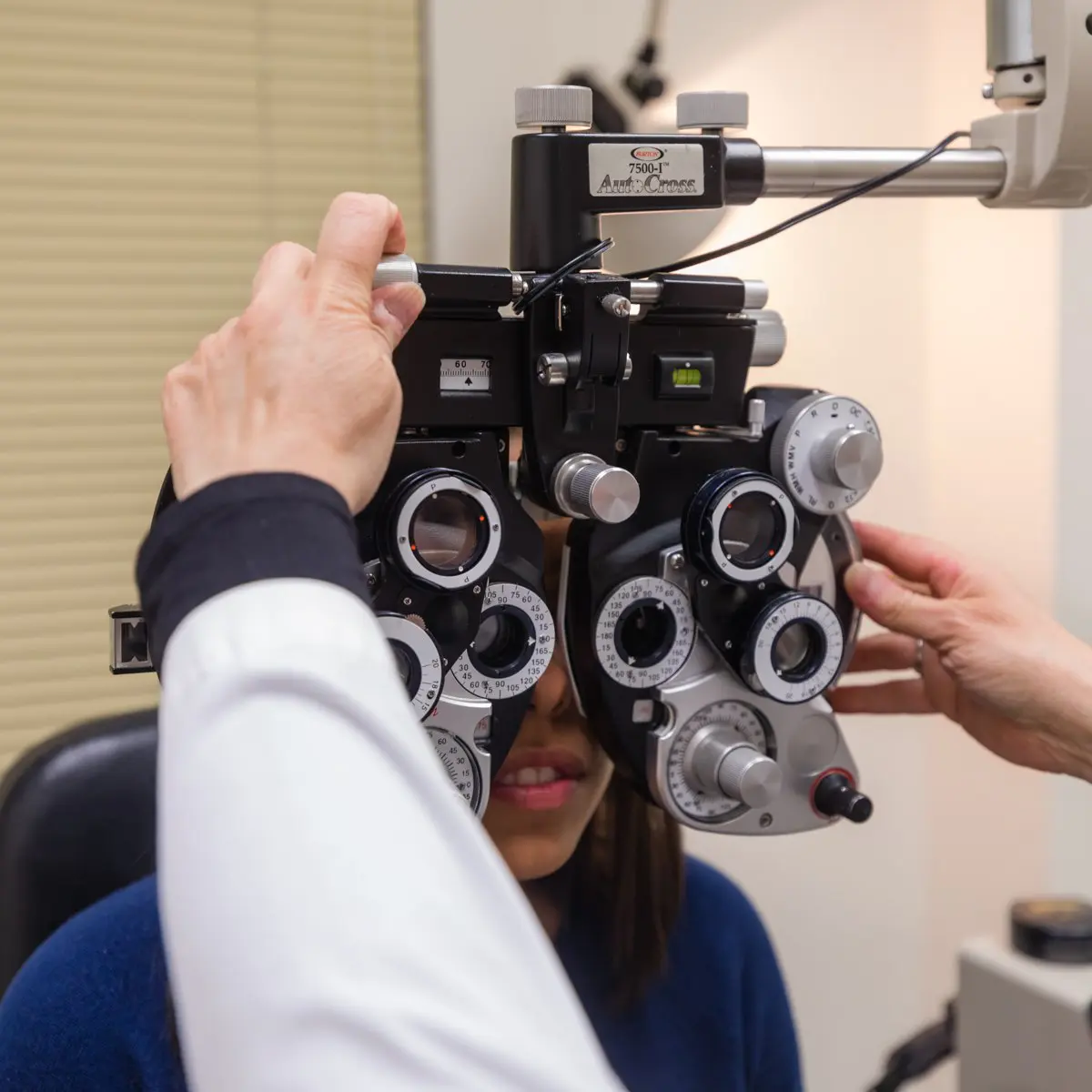
An annual eye exam is a comprehensive evaluation of both vision and ocular health. It typically begins with a review of your medical history and any current symptoms. The optometrist or ophthalmologist will test visual acuity using a Snellen chart to determine prescription needs for glasses or contacts. Refraction assessment fine-tunes this prescription. A key component is the health examination, which includes a slit-lamp inspection of the front of the eye and a dilated fundus exam to view the retina, optic nerve, and blood vessels for signs of diseases like glaucoma, macular degeneration, or diabetes. Intraocular pressure is measured to screen for glaucoma. Additional tests may assess eye coordination, depth perception, and color vision. This annual check is crucial for early detection of vision changes and systemic health issues.
For a comprehensive yearly eye exam, you should schedule an appointment with an optometrist (OD) or an ophthalmologist (MD or DO). An optometrist is a primary eye care professional trained to perform eye exams, prescribe corrective lenses, and diagnose common eye conditions. An ophthalmologist is a medical doctor who specializes in eye and vision care, capable of performing surgery and managing complex eye diseases. For most routine annual check-ups focused on vision correction and general eye health, an optometrist is perfectly suitable. It is a critical preventative health measure, as regular exams can detect issues like glaucoma, cataracts, and macular degeneration long before symptoms appear. For more on the importance of these visits, see our internal article Eye Disease Symptoms & Risk Factors | Early Detection & Prevention.
Vienna Eye Care Center is a professional optometry and ophthalmology practice dedicated to comprehensive vision health. Such centers typically offer a full range of services, including routine eye exams, diagnosis and management of ocular diseases like glaucoma and macular degeneration, contact lens fittings, and surgical consultations. The standard of care involves using advanced diagnostic technology, such as digital retinal imaging and visual field testers, to ensure accurate assessments. Patient education on conditions and treatment options is a cornerstone of practice. For optimal eye health, industry professionals recommend annual comprehensive eye exams, even without vision problems, as they are crucial for early detection of systemic and ocular issues.


130 reviews

