
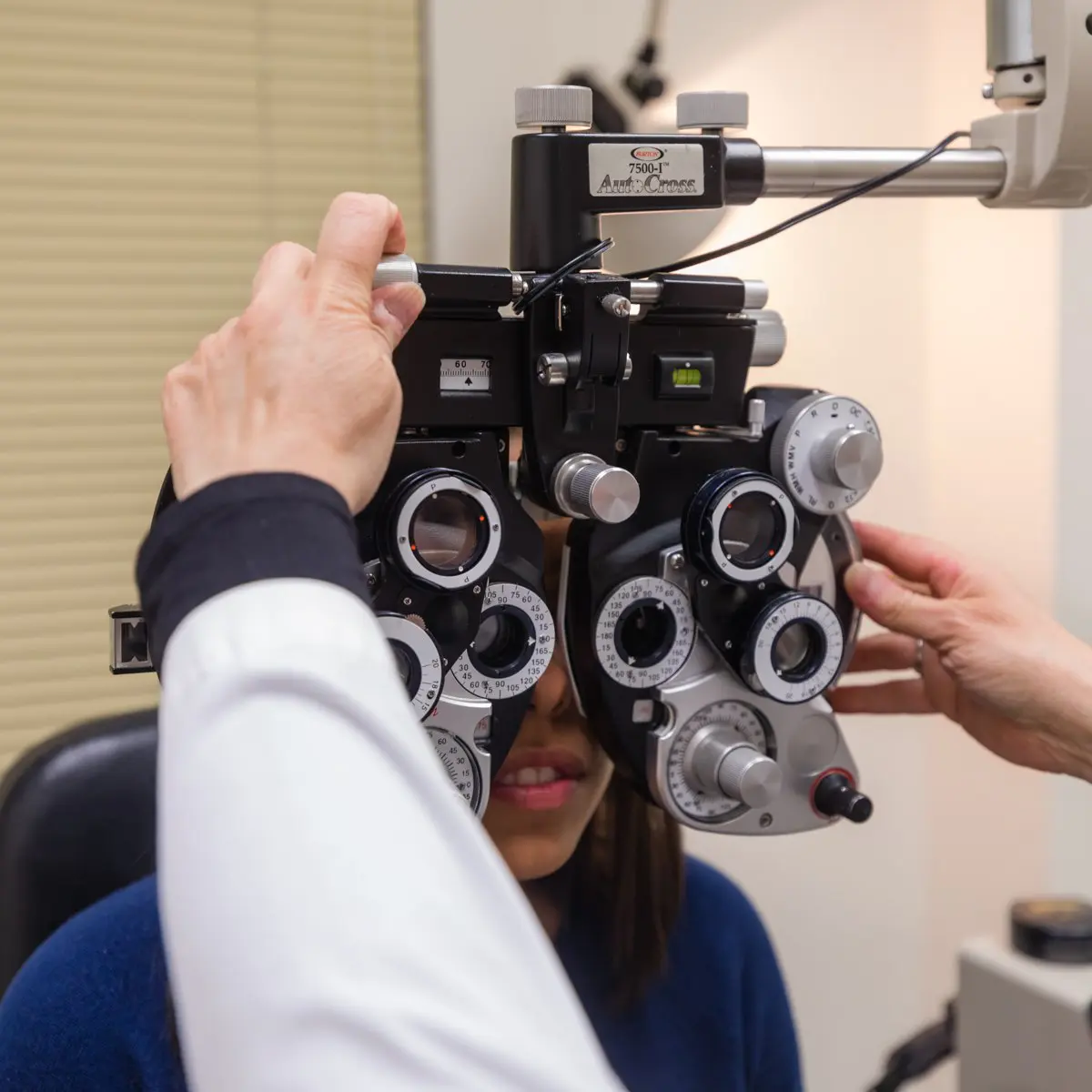
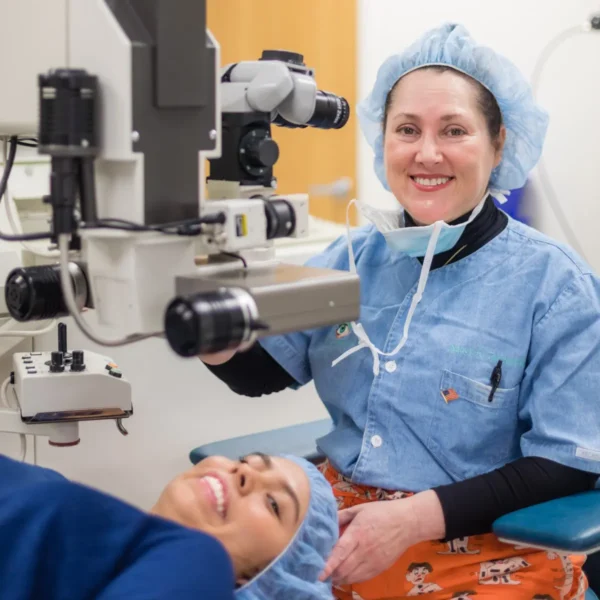

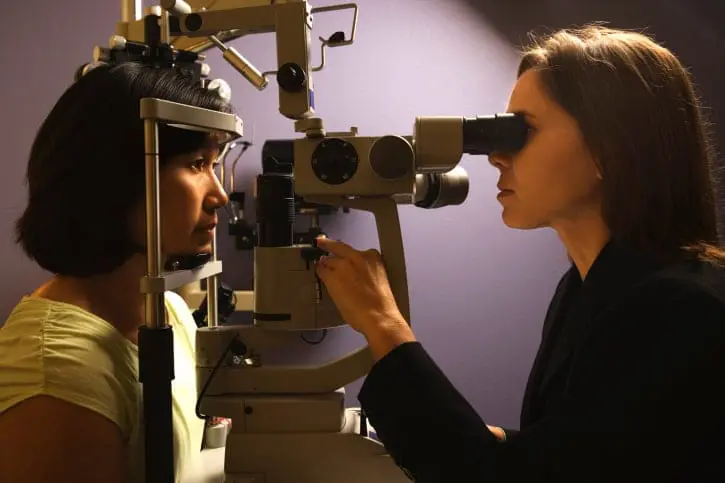

I had a great experience at Liberty Laser Eye Center. Dr. Nancy Tanchel and her entire team were extremely professional, kind, and made me feel comfortable throughout the whole process. They explained everything clearly and answered all of my questions, which really helped me feel confident before the procedure.
The surgery went smoothly and the staff was very supportive from start to finish. I’m very grateful to Dr. Tanchel and her team for their excellent care and professionalism.
Thank you all for helping me improve my vision. I truly appreciate the great work you do.

My vision wasn't terrible, but I was just sick of dealing with the hassle of contacts for sports until I came here. Great and professional business

I had a really good experience at Liberty Laser Eye Center. The staff was friendly and made me feel comfortable the whole time. The procedure was quick, and my vision is so much better now.

Informative staff offering careful evaluations and supportive patient care throughout the process.

Having LASIK surgery was the best thing I have ever done. Waking up every morning with the ability to see 20/20 without having to reach for my glasses or contacts is the ultimate freedom. The surgery was painless and the staff was incredible. I highly recommend it so don't wait!

Brought My grandmother for her eye exam. Jeeimy helped us and explained in detail such amazing team.

I’d been thinking about LASIK for years but kept putting it off out of sheer nervousness. The staff at Liberty are some of the kindest and most patient people I’ve ever met. It’s been a few months and I’m still not used to the freedom of just rolling out of bed and seeing.

I consider this the best investment I've ever made in myself, no question about it. The freedom of just rolling out of bed and being able to see is something I'll never take for granted.
Finding an eye doctor who accepts DC Medicaid requires checking with providers directly or using the DC Medicaid managed care organization (MCO) directories. Beneficiaries should first confirm their specific MCO plan (such as AmeriHealth DC or MedStar Family Choice) and then use that plan's online provider search tool to locate in-network ophthalmologists or optometrists. It is crucial to verify acceptance and appointment availability by calling the doctor's office, as network information can change. For comprehensive eye exams and medical eye care, ensure the provider is credentialed for both Medicaid and any necessary specialties. Always have your Medicaid ID card ready when contacting providers.
Eye Doctors of Washington is a well-established practice with multiple locations across the Washington D.C. metropolitan area. Their primary offices are strategically situated to serve patients in the District, Maryland, and Virginia. Key locations typically include their main office in Washington, D.C., often in the Foggy Bottom/West End neighborhood, and additional clinics in areas like Chevy Chase, Maryland, and Arlington, Virginia. To obtain the most accurate and current information regarding specific addresses, office hours, and the services offered at each site, it is always best to visit the practice's official website or contact their main administrative office directly. This ensures you have the correct details for scheduling an appointment or planning a visit.
When seeking visionary eye doctors in Washington, DC, it is essential to look for practices that combine advanced medical expertise with a forward-thinking approach to patient care. Top professionals in the area are often affiliated with leading hospitals or academic institutions and specialize in areas like laser vision correction (LASIK, PRK), cataract surgery with premium lenses, and management of complex retinal or corneal conditions. A true visionary doctor invests in the latest diagnostic and surgical technology while prioritizing personalized treatment plans. Patients should verify board certification, review patient testimonials, and consider the practice's commitment to ongoing education and innovative techniques to ensure they receive the highest standard of ocular health and vision correction services.
When seeking the best optometrist in Washington, DC, prioritize practices with strong credentials and comprehensive services. Look for doctors who are members of professional associations like the American Optometric Association, which signifies adherence to high standards. A top-tier practice will offer thorough eye exams, manage ocular diseases like glaucoma and macular degeneration, and provide specialized contact lens fittings. Excellent patient reviews often highlight clear communication, modern diagnostic technology, and a comfortable office environment. It is also beneficial to choose an optometrist who coordinates care with ophthalmologists if specialized surgical treatment is needed. Ultimately, the best choice combines clinical expertise with a commitment to personalized, long-term eye health.


130 reviews

