
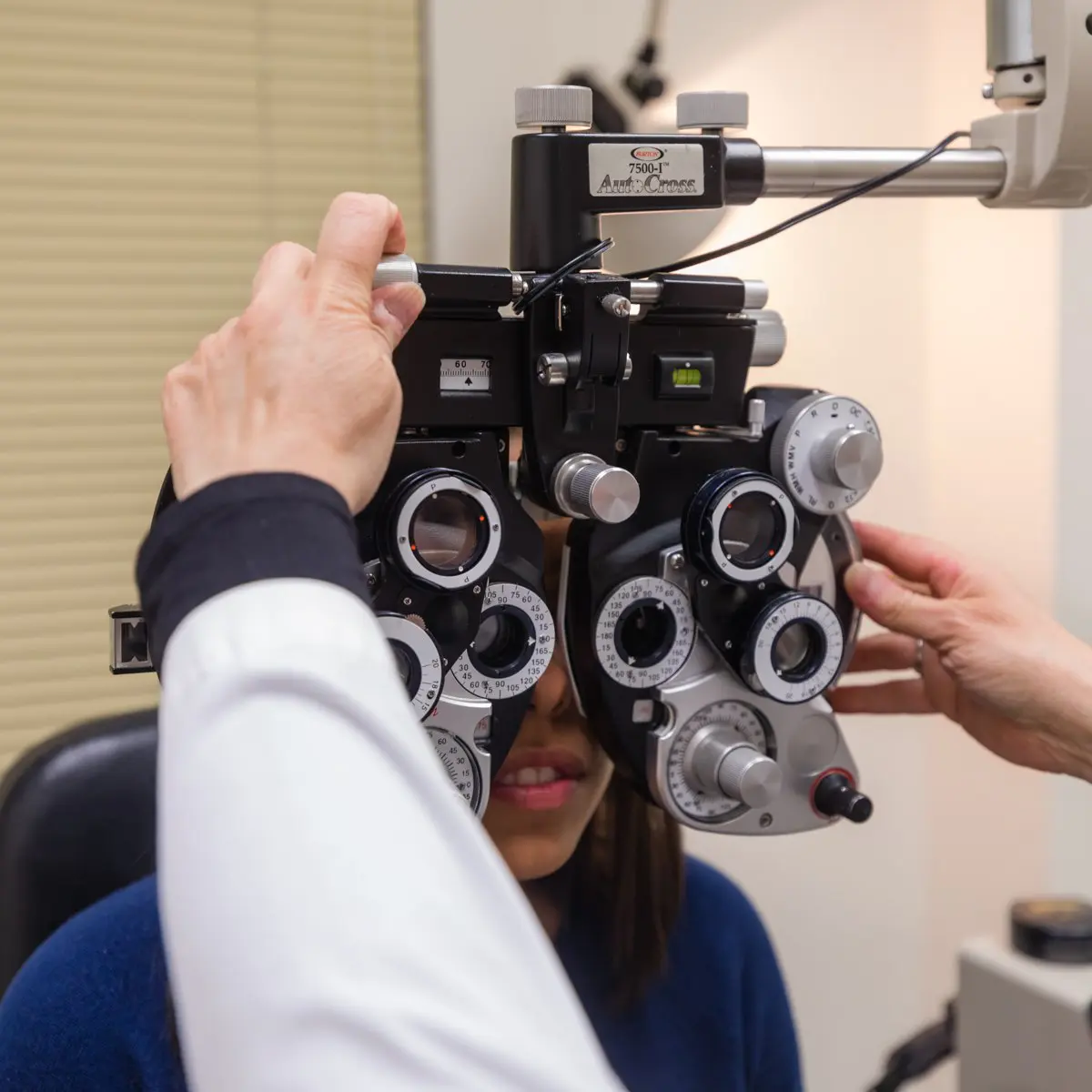
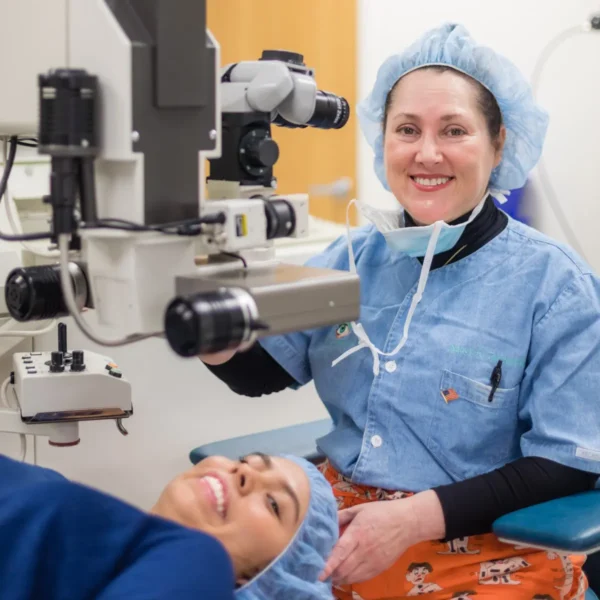

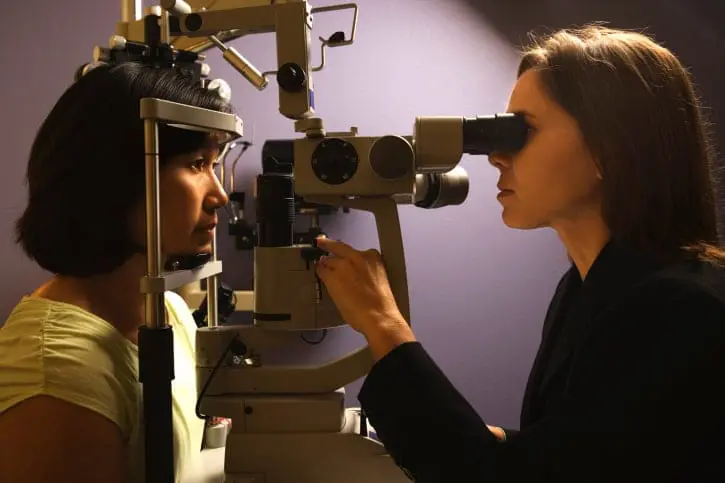

I had a great experience at Liberty Laser Eye Center. Dr. Nancy Tanchel and her entire team were extremely professional, kind, and made me feel comfortable throughout the whole process. They explained everything clearly and answered all of my questions, which really helped me feel confident before the procedure.
The surgery went smoothly and the staff was very supportive from start to finish. I’m very grateful to Dr. Tanchel and her team for their excellent care and professionalism.
Thank you all for helping me improve my vision. I truly appreciate the great work you do.

My vision wasn't terrible, but I was just sick of dealing with the hassle of contacts for sports until I came here. Great and professional business

I had a really good experience at Liberty Laser Eye Center. The staff was friendly and made me feel comfortable the whole time. The procedure was quick, and my vision is so much better now.

Informative staff offering careful evaluations and supportive patient care throughout the process.

Having LASIK surgery was the best thing I have ever done. Waking up every morning with the ability to see 20/20 without having to reach for my glasses or contacts is the ultimate freedom. The surgery was painless and the staff was incredible. I highly recommend it so don't wait!

Brought My grandmother for her eye exam. Jeeimy helped us and explained in detail such amazing team.

I’d been thinking about LASIK for years but kept putting it off out of sheer nervousness. The staff at Liberty are some of the kindest and most patient people I’ve ever met. It’s been a few months and I’m still not used to the freedom of just rolling out of bed and seeing.

I consider this the best investment I've ever made in myself, no question about it. The freedom of just rolling out of bed and being able to see is something I'll never take for granted.
The cost of a yearly vision exam can vary widely based on location, provider type, and insurance coverage. Without insurance, a comprehensive eye exam typically ranges from $50 to $250 or more. Exams at retail optical chains or through membership plans may be on the lower end, while visits to specialized ophthalmologists or in areas with a higher cost of living tend to be more expensive. Using vision insurance, such as through a plan like VSP, often reduces the patient's out-of-pocket cost to a copay, which might be $10 to $50 for an in-network provider. It is always advisable to contact the specific eye care office and your insurance provider beforehand to get a precise estimate of any exam fees or copayments.
Yes, in many countries, you can receive a free or subsidized eye test for glaucoma, especially if you are in a higher-risk group. In the UK, for instance, the NHS provides free eye tests for individuals over 40 with a family history of glaucoma, those over 60, and people with certain medical conditions. In the US, while routine eye exams often have a cost, organizations like the Glaucoma Research Foundation may offer free screening events. It is crucial to have regular comprehensive eye exams, as glaucoma often has no early symptoms. Early detection through tests measuring eye pressure and optic nerve health is vital to prevent vision loss. Always check with local health services or eye care professionals for specific eligibility.
For a comprehensive yearly eye exam, you should schedule an appointment with an optometrist (OD) or an ophthalmologist (MD or DO). An optometrist is a primary eye care professional trained to perform eye exams, prescribe corrective lenses, and diagnose common eye conditions. An ophthalmologist is a medical doctor who specializes in eye and vision care, capable of performing surgery and managing complex eye diseases. Your choice may depend on your age, overall eye health, and any specific concerns. Regular exams are crucial for updating prescriptions and, more importantly, for early detection of vision-threatening issues. For a detailed guide on what signs to watch for, please refer to our internal article, Eye Disease Symptoms & Risk Factors | Early Detection & Prevention.
No, eyeglasses do not treat or slow the progression of macular degeneration. This condition involves damage to the macula, the central part of the retina responsible for sharp, detailed vision. Eyeglasses correct refractive errors like nearsightedness, farsightedness, and astigmatism by focusing light onto the retina, but they cannot repair the damaged retinal cells themselves. For individuals with macular degeneration, glasses may still be prescribed to optimize remaining vision by correcting any coexisting refractive error, but they do not address the core disease. Management typically involves nutritional supplements (AREDS2 formula), lifestyle changes, and, for the wet form, medical interventions like anti-VEGF injections. Regular monitoring by an eye care professional is essential.
Wink Eyecare Boutique offers a curated selection of high-end eyewear and specialized eye care services. Their product line typically includes designer frames from luxury brands, premium sunglasses with UV protection, and advanced contact lenses for various vision needs. A key focus is on personalized service, with expert fittings and style consultations to match frames to individual facial structures and personal aesthetics. They often provide cutting-edge lens technologies, such as blue light filtering for digital device users and photochromic lenses. While specific brands vary by location, the boutique model emphasizes quality, fashion-forward options, and a holistic approach to visual wellness beyond standard corrective eyewear.
Potomac Eye Care represents a specialized field within optometry and ophthalmology, focusing on comprehensive vision health services in the Potomac region. A reputable practice typically offers a full spectrum of care, including routine eye exams, diagnosis and management of diseases like glaucoma and cataracts, and advanced surgical options. The industry standard emphasizes personalized patient care, utilizing state-of-the-art diagnostic technology for accurate assessments. For residents seeking such services, it is crucial to verify the credentials of the optometrists and ophthalmologists, ensuring they are board-certified and have a strong track record. Patient reviews and the range of offered services, from contact lens fittings to treatment of ocular conditions, are also key indicators of a quality practice.


130 reviews

