
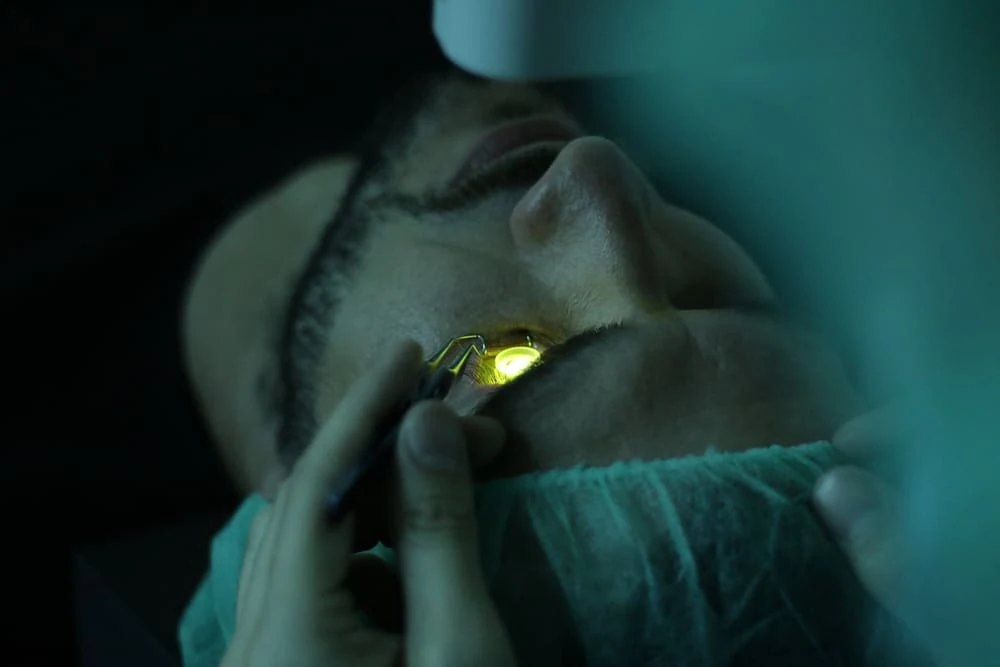
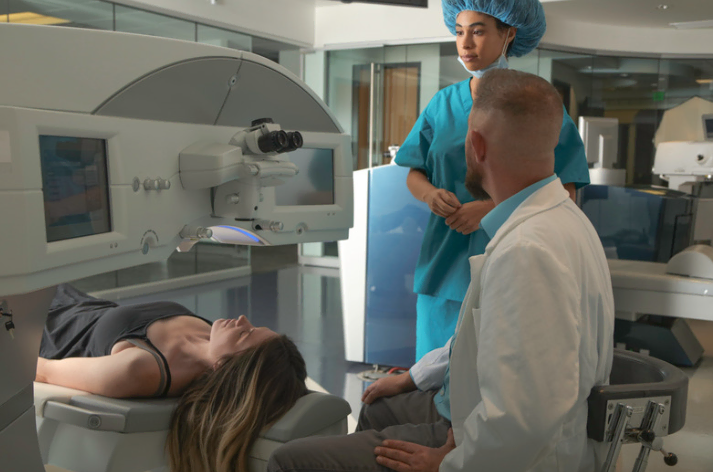


I had a great experience at Liberty Laser Eye Center. Dr. Nancy Tanchel and her entire team were extremely professional, kind, and made me feel comfortable throughout the whole process. They explained everything clearly and answered all of my questions, which really helped me feel confident before the procedure.
The surgery went smoothly and the staff was very supportive from start to finish. I’m very grateful to Dr. Tanchel and her team for their excellent care and professionalism.
Thank you all for helping me improve my vision. I truly appreciate the great work you do.

My vision wasn't terrible, but I was just sick of dealing with the hassle of contacts for sports until I came here. Great and professional business

I had a really good experience at Liberty Laser Eye Center. The staff was friendly and made me feel comfortable the whole time. The procedure was quick, and my vision is so much better now.

Informative staff offering careful evaluations and supportive patient care throughout the process.

Having LASIK surgery was the best thing I have ever done. Waking up every morning with the ability to see 20/20 without having to reach for my glasses or contacts is the ultimate freedom. The surgery was painless and the staff was incredible. I highly recommend it so don't wait!

Brought My grandmother for her eye exam. Jeeimy helped us and explained in detail such amazing team.

I’d been thinking about LASIK for years but kept putting it off out of sheer nervousness. The staff at Liberty are some of the kindest and most patient people I’ve ever met. It’s been a few months and I’m still not used to the freedom of just rolling out of bed and seeing.

I consider this the best investment I've ever made in myself, no question about it. The freedom of just rolling out of bed and being able to see is something I'll never take for granted.
The cost of a yearly vision exam varies significantly based on location, provider type, and insurance coverage. Without insurance, a comprehensive eye exam at a private optometrist's office typically ranges from $50 to $250. Exams at retail optical chains or through membership plans may be on the lower end of that scale. It is crucial to understand that a basic vision screening is not a substitute for a comprehensive exam performed by a licensed eye care professional, which assesses overall eye health and detects conditions like glaucoma. Patients with vision insurance through employers or individual plans often pay a copay, usually between $10 and $50, for a covered annual exam. Always verify coverage and in-network providers with your insurance carrier beforehand.
For a comprehensive yearly eye exam, you should schedule an appointment with an optometrist (OD) or an ophthalmologist (MD or DO). An optometrist is a primary eye care professional trained to perform eye exams, prescribe corrective lenses, and diagnose common eye conditions. An ophthalmologist is a medical doctor who specializes in eye and vision care, capable of performing surgery and managing complex eye diseases. Your choice may depend on your overall eye health and any specific concerns. A regular exam is crucial for updating prescriptions and, more importantly, for monitoring your ocular health. Early detection of issues is key, and understanding potential signs is vital, as detailed in our resource Eye Disease Symptoms & Risk Factors | Early Detection & Prevention.
Medicare coverage for eye exams depends on the specific part of your plan and the reason for the exam. Original Medicare (Part B) does not cover routine yearly eye exams for eyeglasses or contact lenses. However, it does cover an annual comprehensive dilated eye exam for beneficiaries with diabetes or those at high risk for glaucoma. For general vision care, including routine exams, many seniors opt for a Medicare Advantage Plan (Part C), which often includes additional vision benefits. It is crucial to review your plan details or speak with a licensed insurance agent to understand your specific coverage and any potential out-of-pocket costs for vision services.
When evaluating vision plans for seniors, key factors include coverage for routine eye exams, prescription eyewear, and treatment of age-related conditions like cataracts, glaucoma, and macular degeneration. Medicare typically does not cover routine vision care, so a supplemental plan is often necessary. Many find that Medicare Advantage (Part C) plans, which often bundle vision benefits, or standalone vision insurance from providers like VSP or EyeMed, offer strong value. It is crucial to compare annual allowances for frames and lenses, co-pays for exams, and network accessibility. The best plan is highly individual, depending on specific health needs, budget, and whether one already has a trusted eye care provider within a plan's network. Consulting with a licensed insurance advisor can provide personalized guidance.
When seeking an ophthalmologist in Falls Church, Virginia, it is important to choose a qualified professional for comprehensive eye care. Look for a board-certified ophthalmologist who is licensed in Virginia and has strong credentials. These medical doctors specialize in diagnosing and treating eye diseases, performing surgery, and prescribing corrective lenses. A reputable practice will offer a full range of services, from routine exams and glaucoma management to cataract and LASIK surgery. Check for affiliations with major hospitals and positive patient reviews. In the Falls Church area, many top ophthalmologists are associated with leading medical centers, ensuring access to advanced technology and integrated care for optimal vision health.
I cannot provide a specific recommendation for an eye doctor in Falls Church, as that would require personal medical advice and local knowledge. However, I can offer general guidance on selecting an eye care professional. It is crucial to choose a licensed optometrist or ophthalmologist based on your specific needs, whether for a routine exam, contact lens fitting, or managing a condition like glaucoma. You can start by checking with your insurance provider for in-network doctors, reading verified patient reviews, and confirming the practice offers the services you require. A professional with a strong reputation for comprehensive care and modern diagnostic technology is often a sound choice for maintaining long-term eye health.
To find a qualified optometrist near you, start by using online search engines or maps with the phrase "optometrist near me" to generate a list of local practices. Check their professional websites for information on services, such as comprehensive eye exams, contact lens fittings, and treatment for conditions like dry eye or glaucoma. Verify the optometrist's credentials and read patient reviews on independent platforms to assess their reputation. Consider the practice's technology, appointment availability, and whether they accept your vision insurance. For personalized care, you might also ask for recommendations from your primary care physician or friends. It's important to choose a practitioner who makes you feel comfortable and addresses all your vision and eye health concerns thoroughly.


130 reviews

