



I had a great experience at Liberty Laser Eye Center. Dr. Nancy Tanchel and her entire team were extremely professional, kind, and made me feel comfortable throughout the whole process. They explained everything clearly and answered all of my questions, which really helped me feel confident before the procedure.
The surgery went smoothly and the staff was very supportive from start to finish. I’m very grateful to Dr. Tanchel and her team for their excellent care and professionalism.
Thank you all for helping me improve my vision. I truly appreciate the great work you do.

My vision wasn't terrible, but I was just sick of dealing with the hassle of contacts for sports until I came here. Great and professional business

I had a really good experience at Liberty Laser Eye Center. The staff was friendly and made me feel comfortable the whole time. The procedure was quick, and my vision is so much better now.

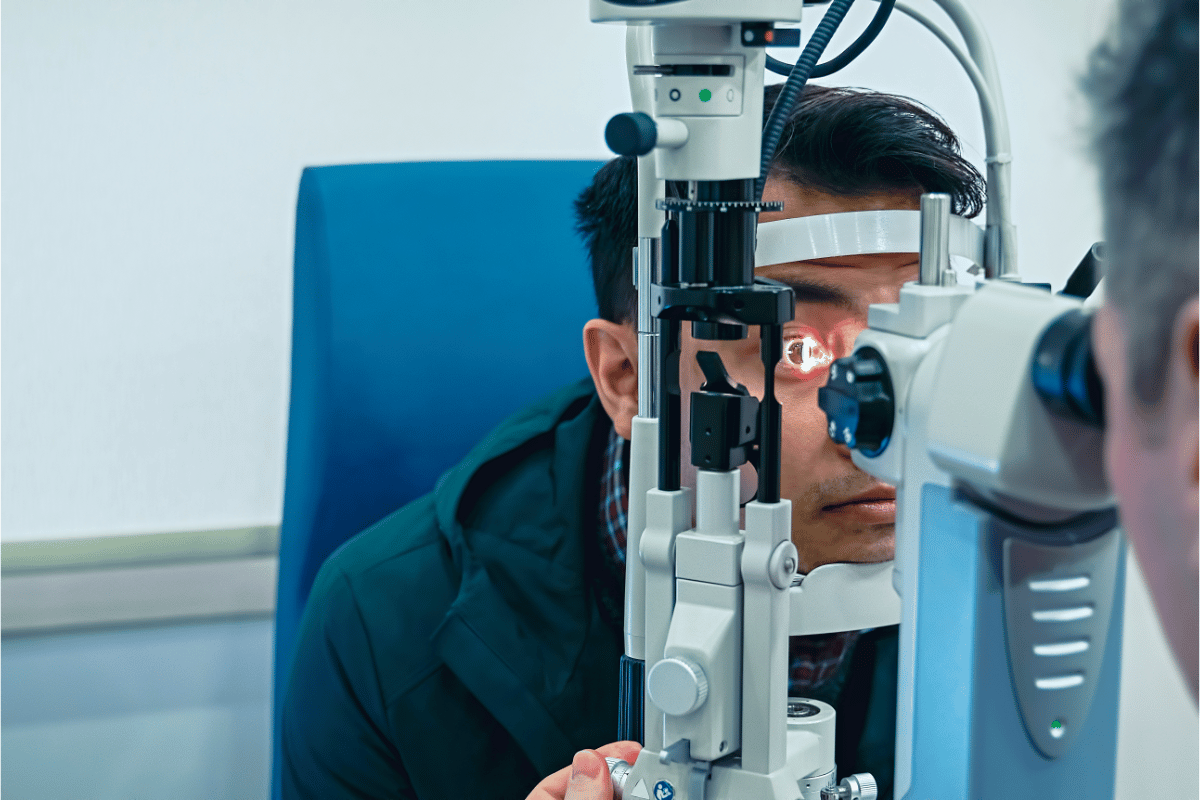
Informative staff offering careful evaluations and supportive patient care throughout the process.

Having LASIK surgery was the best thing I have ever done. Waking up every morning with the ability to see 20/20 without having to reach for my glasses or contacts is the ultimate freedom. The surgery was painless and the staff was incredible. I highly recommend it so don't wait!

Brought My grandmother for her eye exam. Jeeimy helped us and explained in detail such amazing team.

I’d been thinking about LASIK for years but kept putting it off out of sheer nervousness. The staff at Liberty are some of the kindest and most patient people I’ve ever met. It’s been a few months and I’m still not used to the freedom of just rolling out of bed and seeing.

I consider this the best investment I've ever made in myself, no question about it. The freedom of just rolling out of bed and being able to see is something I'll never take for granted.
For a comprehensive yearly eye exam, you should schedule an appointment with an optometrist (OD) or an ophthalmologist (MD or DO). An optometrist is a primary eye care professional trained to perform eye exams, prescribe corrective lenses, and diagnose common eye conditions. An ophthalmologist is a medical doctor who specializes in eye and vision care, capable of performing surgery and managing complex eye diseases. Your choice may depend on your age, overall eye health, and any specific concerns. Regular exams are crucial for detecting issues early, even before symptoms appear. For more information on what to watch for, refer to our internal article Eye Disease Symptoms & Risk Factors | Early Detection & Prevention.
Yes, in many countries, you can receive a free or subsidized eye test that includes screening for glaucoma, but the specifics depend on your location and healthcare system. In the UK, for instance, the NHS offers free eye tests for individuals over 60, those with a family history of glaucoma, and several other eligible groups. These comprehensive tests check eye pressure, optic nerve health, and visual fields—all crucial for detecting glaucoma. It is essential to consult your optometrist or healthcare provider to understand your eligibility. Regular eye examinations are a critical professional standard for early detection, as glaucoma often has no symptoms until significant vision loss occurs.
Yes, an optometrist can prescribe topical eye drops for glaucoma, but their prescribing authority varies significantly by state law. In all states, optometrists are licensed to diagnose glaucoma during comprehensive eye exams. However, their ability to prescribe therapeutic pharmaceutical agents, including glaucoma medications, is governed by state-specific regulations. In states with full therapeutic pharmaceutical agent (TPA) laws, optometrists can prescribe a full range of drops to manage intraocular pressure. In more restrictive states, their prescribing rights may be limited or require a collaborative agreement with an ophthalmologist. For definitive treatment and surgical interventions, patients are typically referred to an ophthalmologist, a medical doctor specializing in eye disease and surgery.
Yes, an eye exam can sometimes detect signs of high cholesterol. During a comprehensive dilated eye exam, an optometrist or ophthalmologist can observe the blood vessels in the retina at the back of the eye. High cholesterol may manifest as visible deposits. For instance, arcus senilis is a gray or white arc visible around the cornea, often associated with lipid deposits. More directly, retinal artery occlusion or observations of plaque (Hollenhorst plaque) in the retinal vessels can indicate cholesterol emboli, which are serious signs of systemic cardiovascular disease. While these findings are strong indicators, they are not definitive diagnoses. An eye doctor will typically recommend follow-up testing with a primary care physician for a complete lipid panel and cardiovascular assessment. Regular eye exams are a valuable part of overall health monitoring.
Dr. Tesser is a respected ophthalmologist known for his expertise in comprehensive eye care. He provides a full range of services, from routine vision exams to the diagnosis and management of complex eye diseases like glaucoma, cataracts, and macular degeneration. His practice emphasizes using the latest diagnostic technology to ensure accurate assessments. For patients considering laser vision correction, a consultation with a specialist like Dr. Tesser is a critical first step to determine candidacy and discuss options such as LASIK or PRK. It is always recommended to verify a doctor's credentials, experience, and patient reviews when selecting an eye care provider for your specific needs.
When seeking an eye doctor in Suffolk, VA, it is important to consider several factors to ensure you receive quality care. Start by verifying the optometrist or ophthalmologist's credentials and areas of specialization, such as routine exams, contact lens fittings, or treatment for specific conditions like glaucoma or cataracts. Check if they accept your vision insurance plan to manage costs effectively. Reading patient reviews can provide insight into their bedside manner and office efficiency. Many practices in Suffolk offer comprehensive services including advanced diagnostic technology. It is advisable to schedule a consultation to discuss your visual health needs and ensure the practice's philosophy aligns with your expectations for long-term eye care.


130 reviews

