

I had been wearing glasses since I was a kid and finally decided it was time for a change. The team explained every step before the procedure and made sure I was completely comfortable. Recovery was easier than I expected, and my vision is now sharper than ever.

Everyone at the clinic made me feel comfortable from the moment I walked in. They were friendly, knowledgeable, and always willing to answer my questions. I never felt pressured into making a decision, which made the experience even better. I'm thrilled with my results

My vision had been getting worse every year, so I finally decided to schedule a consultation here. The testing was very thorough, and the doctor explained every result in a way that was easy to understand. The procedure was smooth, and I noticed a huge improvement in my eyesight the very next day.

I was impressed by how detailed the initial evaluation was before recommending treatment. They took the time to make sure I was a suitable candidate instead of rushing into surgery. That level of care gave me complete confidence. Everything went smoothly, and my vision has been excellent ever since.

The whole process was easy and the results was life-changing. This clinic is simple and the best and I would highly recommend this Eye Clinic.

This place combines advanced technology with genuinely caring service. The diagnostics were incredibly detailed and helped me understand my vision problems much better. Staff members were friendly, knowledgeable, and very reassuring throughout the process. Overall an outstanding experience.

The combination of their advanced technology and the hospitality is what sets them aside. The diagnotics provided were detailed and they helped me make a pre-informed decision for my LASIK.
The combination of their advanced technology and the hospitality is what sets them aside. The diagnotics provided were detailed and they helped me make a pre-informed decision for my LASIK.

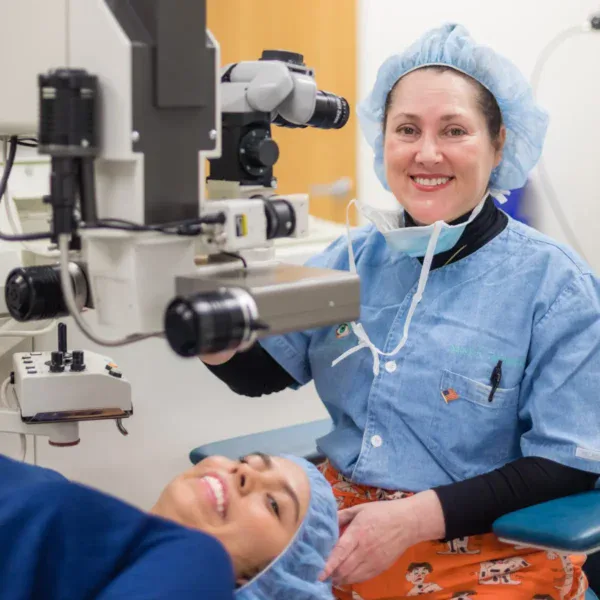

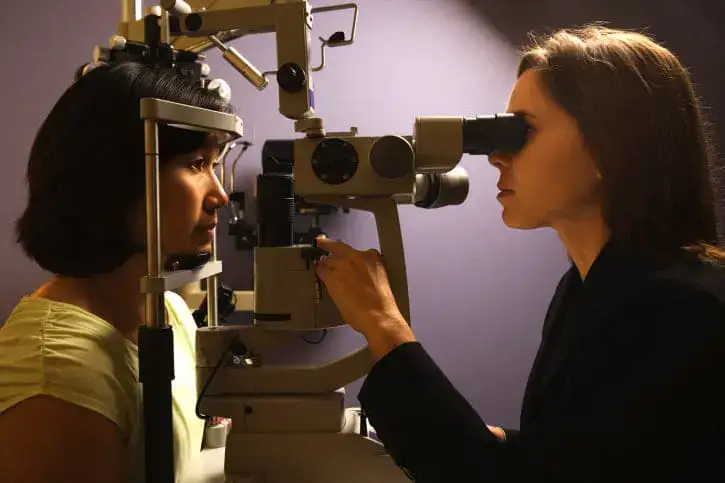
The cost of an annual vision exam without insurance typically ranges from $75 to $200, depending on the provider, location, and whether additional testing is needed. A basic comprehensive eye exam usually covers visual acuity, refraction, and eye health evaluation. If your doctor performs dilation, retinal imaging, or glaucoma screening, the fee may increase. In the Vienna and Fairfax County area, many practices offer self-pay pricing or bundled packages. For a clearer picture of local rates, you can review our internal article titled Average Annual Vision Exam Costs Across Northern Virginia Practices. At Liberty Laser Eye Center, we recommend calling ahead to confirm what is included before scheduling your visit.
A yearly eye exam is a comprehensive evaluation of your visual health, not just a quick check for a new glasses prescription. It typically begins with a review of your medical history and any vision concerns. The doctor then performs tests for visual acuity, eye alignment, and depth perception. A critical part of the exam involves checking eye pressure for glaucoma and examining the retina and optic nerve after dilating your pupils. This thorough assessment helps detect early signs of conditions like cataracts, macular degeneration, and even systemic issues such as diabetes. For ongoing family care, please read our article titled Key Benefits Of Scheduling Annual Eye Exams For The Whole Family to understand the long-term value of consistent checkups.
Virginia Medicaid provides coverage for medically necessary eye exams for eligible beneficiaries. Routine vision exams for adults are generally not covered, but exams are covered when there is a specific medical concern, such as suspected glaucoma, cataracts, or diabetic retinopathy. For children under 21, vision screening and eye exams are more broadly covered under the Early and Periodic Screening, Diagnostic and Treatment (EPSDT) benefit. Coverage specifics depend on your plan and medical necessity. For a thorough evaluation of your benefits, Liberty Laser Eye Center recommends contacting your Medicaid managed care plan directly to confirm your exact coverage before scheduling an appointment.
Yes, for most adults, an annual eye exam is considered the standard of care. Even if your vision hasn’t changed, a yearly checkup is vital because it screens for silent, progressive conditions like glaucoma, macular degeneration, and diabetic retinopathy, which often show no early symptoms. Your eye doctor also evaluates overall health indicators, such as blood pressure and cholesterol, through the blood vessels in your retina. For children, students, and adults over 60, annual exams are especially critical. If you have stable vision and no risk factors, some doctors may extend the interval to two years, but yearly visits remain the safest baseline. To prepare for your next visit, consult our internal guide titled 'The Ultimate Washington D.C. Annual Eye Exam Prep Guide: What To Bring, What To Ask, And How To Read Your Results' via The Ultimate Washington D.C. Annual Eye Exam Prep Guide: What To Bring, What To Ask, And How To Read Your Results. At Liberty Laser Eye Center, we recommend prioritizing this routine for long-term ocular health.



120 reviews
