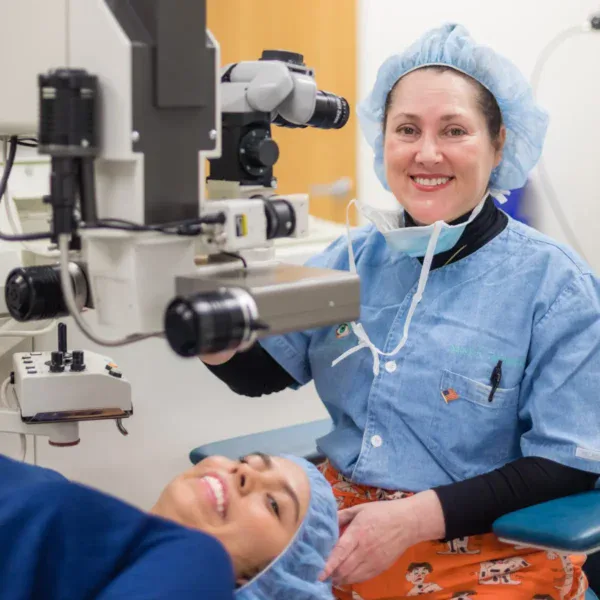
The cost of a yearly comprehensive eye exam varies significantly based on location, provider type, and insurance coverage. Without vision insurance, the national average typically ranges from $50 to $250. Exams at retail optical chains may be on the lower end, while private optometrists or ophthalmologists often charge more for specialized care. It is crucial to understand that this fee is usually separate from the cost of contact lens fittings or any advanced diagnostic testing. Many health insurance plans, including Medicare, cover annual exams for specific medical conditions like diabetes or glaucoma. For the most accurate estimate, contact local providers directly to inquire about their self-pay rates and any available package deals.
A comprehensive yearly eye exam includes several key components to assess vision and overall eye health. The optometrist will typically perform a visual acuity test using an eye chart to measure clarity at various distances. Refraction testing determines the correct prescription for glasses or contact lenses. Eye movement and coordination are evaluated, along with peripheral vision screening. A critical part is the dilated eye exam, where drops widen the pupils to allow a thorough inspection of the retina, optic nerve, and blood vessels for signs of diseases like glaucoma, macular degeneration, or diabetes-related issues. Eye pressure is also measured. This annual check is vital not just for updating prescriptions but for the early detection of serious health conditions.
Yes, getting an eye test every year is generally recommended for maintaining optimal vision and eye health. Annual comprehensive eye exams are crucial for early detection of vision changes, common refractive errors like nearsightedness, and serious conditions such as glaucoma, cataracts, or macular degeneration, which may not have obvious early symptoms. For individuals with existing eye conditions, diabetes, or a family history of eye disease, yearly checks are even more important. Regular visits allow your eye care professional to update prescriptions and monitor overall ocular health. While some adults with low risk may be advised exams every two years, an annual schedule is a proactive, standard practice for most people to ensure clear sight and long-term eye wellness.
The best country for eye treatment depends on the specific condition, technology required, and patient priorities. The United States is often cited for its cutting-edge research and advanced surgical techniques, particularly in LASIK and cataract surgery. Germany is renowned for its high-precision medical engineering and rigorous standards in procedures like refractive lens exchange. South Korea is a global leader in innovative cosmetic and vision correction surgeries, while India offers high-quality care at significantly lower costs, making it a major destination for medical tourism. Ultimately, the "best" choice involves consulting with specialists to align treatment with the latest proven technologies and accredited facilities, regardless of location.
Vienna, Virginia, offers a range of highly qualified eye doctors, including optometrists and ophthalmologists. For general vision care, such as comprehensive eye exams, contact lens fittings, and prescriptions for glasses, an optometrist (OD) is the appropriate professional. For more specialized medical or surgical needs, like treating glaucoma, cataracts, or retinal diseases, you would consult an ophthalmologist (MD or DO). When selecting a practice, consider factors like the scope of services, use of advanced diagnostic technology, patient reviews, and whether they accept your vision or medical insurance. Many practices in the Vienna area provide a full spectrum of care, from routine check-ups to advanced surgical procedures.
Metro Eye insurance is a vision care plan that provides coverage for routine eye exams, prescription eyewear, and sometimes contact lenses or discounts on corrective surgery. These plans are often offered as standalone vision insurance or as part of a larger health benefits package. Key features typically include an annual allowance for frames and lenses, coverage for an annual comprehensive eye exam, and a network of participating optometrists and optical retailers. For professionals and individuals, it is a cost-effective way to manage eye health, as regular exams are crucial for detecting not only vision issues but also early signs of systemic conditions like diabetes or hypertension. When selecting a plan, it is important to review the specific benefits, network providers, and any out-of-pocket costs for services beyond the standard allowances.
Vienna Eyecare Center reviews typically highlight the practice's commitment to personalized patient care and advanced technology. When evaluating such reviews, prospective patients should look for consistent mentions of thorough eye exams, a wide selection of frames, and professional, friendly staff. It is advisable to consult multiple platforms like Google, Yelp, or specialized healthcare review sites to get a balanced perspective. Pay attention to how the practice responds to feedback, as this indicates their dedication to patient satisfaction. Key factors often praised include the expertise of the optometrists, the clarity of explanations regarding eye health, and the efficiency of the office. Reading reviews is an excellent step in choosing a provider that aligns with your vision care needs and expectations.
126 reviews