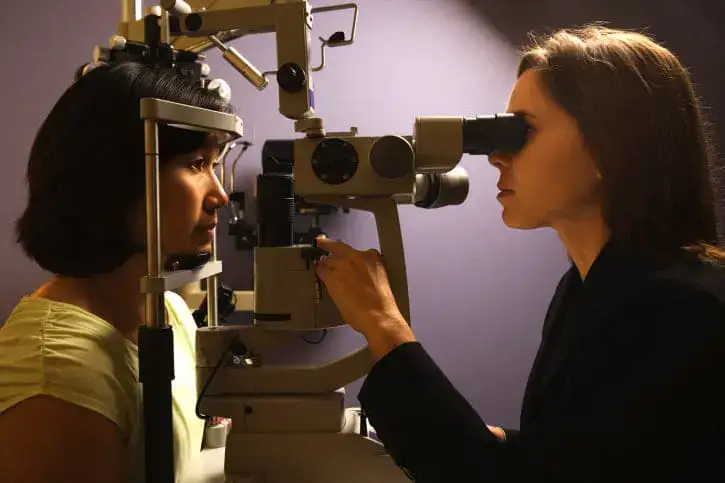
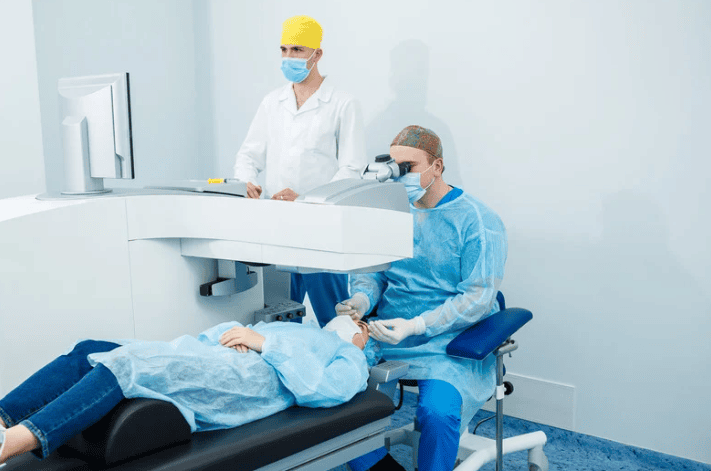
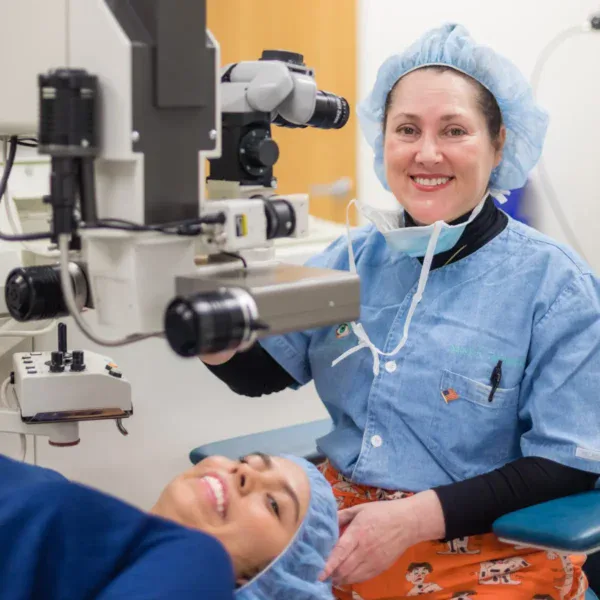
The most effective initial treatment for dry eyes is a comprehensive approach starting with a professional diagnosis to identify the root cause. For many, this involves consistent use of preservative-free artificial tears to supplement natural lubrication and warm compresses to unclog meibomian glands. For persistent cases, prescription anti-inflammatory eye drops like cyclosporine or lifitegrast are often the number one medical intervention. In-office procedures such as thermal pulsation or intense pulsed light (IPL) therapy are also leading treatments for evaporative dry eye. A detailed overview of these options and their mechanisms is available in our internal article, Dry Eye Treatment.
An ophthalmologist is the best doctor for diagnosing and treating chronic dry eye disease. They are medical doctors (MDs or DOs) who specialize in eye and vision care, including the medical and surgical management of ocular surface conditions. For comprehensive dry eye management, look for an ophthalmologist who sub-specializes in cornea and external disease. These specialists have advanced training in treating the complex causes of dry eye, from meibomian gland dysfunction to autoimmune-related issues. They can prescribe a full range of treatments, from prescription medications like Restasis or Xiidra to advanced procedures like intense pulsed light (IPL) therapy. For patients considering vision correction, managing dry eye is a critical pre-operative step, as discussed in our detailed resource Dry Eye Treatment & LASIK Recovery | Liberty Laser Eye Center Vienna, VA.
The 20-20-20 rule is a widely recommended practice to help reduce digital eye strain and alleviate dry eye symptoms. It states that for every 20 minutes spent looking at a screen, you should take a 20-second break and look at something at least 20 feet away. This simple habit combats the primary causes of screen-related dry eyes: reduced blink rate and prolonged focus at a fixed distance. When you stare at a screen, you blink less frequently, which allows the tear film to evaporate more quickly. Looking into the distance helps relax the focusing muscles and encourages more complete blinking, which spreads fresh tears across the eye's surface. This re-moisturizes the eyes and provides a necessary rest for the visual system. It is a foundational behavioral strategy that eye care professionals advise alongside proper ergonomics, artificial tears, and regular eye exams.
The cost of dry eye treatment varies significantly based on the underlying cause, severity, and chosen treatment plan. Initial diagnostic evaluations typically range from $50 to $200. Basic treatments like artificial tears and warm compresses are relatively inexpensive. However, for chronic or severe cases, costs can increase substantially. Prescription medications like Restasis or Xiidra may cost hundreds of dollars per month. In-office procedures, such as intense pulsed light (IPL) therapy or thermal pulsation (LipiFlow), can range from $300 to over $1,000 per session, often requiring multiple treatments. Insurance coverage is highly variable, so consulting with your provider and a specialist is crucial. For a detailed overview of available options, please refer to our internal article, Dry Eye Treatment.
When seeking an ophthalmologist in Falls Church, Virginia, it is important to choose a qualified professional for comprehensive eye care. Look for a board-certified ophthalmologist who is licensed in Virginia and has strong credentials. These medical doctors specialize in diagnosing and treating eye diseases, performing surgery, and prescribing corrective lenses. A reputable practice will offer a full range of services, from routine exams and glaucoma management to cataract and LASIK surgery. Consider factors like hospital affiliations, use of advanced diagnostic technology, and patient reviews. For residents, nearby major medical centers often have well-regarded ophthalmology departments. Always verify insurance acceptance and schedule a consultation to discuss your specific vision health needs.
Nova Vision Center is a specialized medical facility focused on comprehensive eye care and vision correction. Such centers typically offer a wide range of services, from routine eye exams and prescription eyewear to advanced surgical procedures like LASIK. The core mission is to diagnose, treat, and manage ocular conditions while helping patients achieve optimal visual clarity. Industry standards emphasize a patient-centric approach, utilizing state-of-the-art diagnostic technology and employing board-certified ophthalmologists and optometrists. For any vision center, maintaining rigorous safety protocols, providing clear pre- and post-procedure counseling, and offering personalized treatment plans are fundamental to professional practice and patient trust.
126 reviews