

I was impressed by how detailed the initial evaluation was before recommending treatment. They took the time to make sure I was a suitable candidate instead of rushing into surgery. That level of care gave me complete confidence. Everything went smoothly, and my vision has been excellent ever since.

The whole process was easy and the results was life-changing. This clinic is simple and the best and I would highly recommend this Eye Clinic.

This place combines advanced technology with genuinely caring service. The diagnostics were incredibly detailed and helped me understand my vision problems much better. Staff members were friendly, knowledgeable, and very reassuring throughout the process. Overall an outstanding experience.

The combination of their advanced technology and the hospitality is what sets them aside. The diagnotics provided were detailed and they helped me make a pre-informed decision for my LASIK.
The combination of their advanced technology and the hospitality is what sets them aside. The diagnotics provided were detailed and they helped me make a pre-informed decision for my LASIK.

The level of care here really stands out compared to other clinics I visited. They took detailed measurements and explained why certain treatment options would work better for my eyes. The follow-up appointments were just as thorough as the consultation. Very professional team from beginning to end.

I appreciated how honest and straightforward the doctor was during my evaluation. Instead of pushing surgery immediately, they carefully reviewed whether I was truly a good candidate. That honesty gave me a lot of confidence in the clinic. The procedure went perfectly and my vision is now better than it has ever been.

The surgeon and staff made the entire process feel very smooth and professional. They explained both the benefits and realistic expectations before treatment, which I appreciated. The office is modern, clean, and very efficient. My night vision and overall clarity improved significantly after surgery.
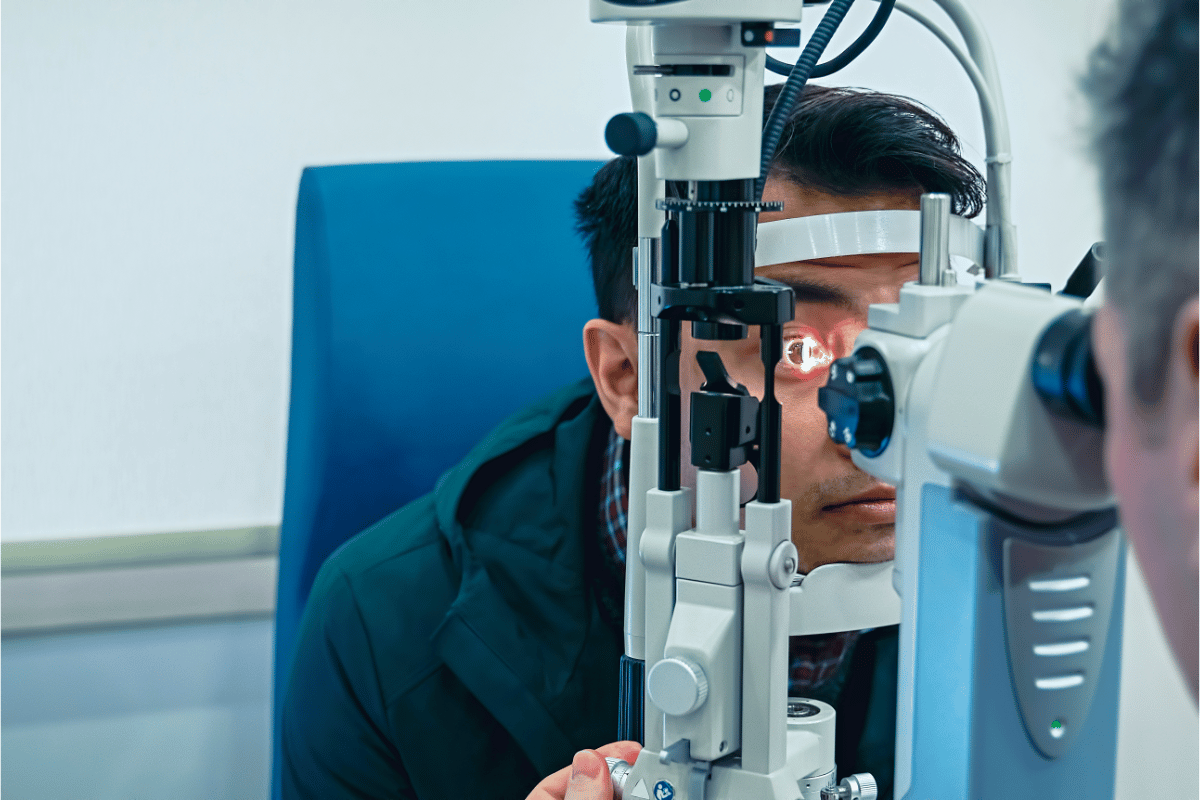
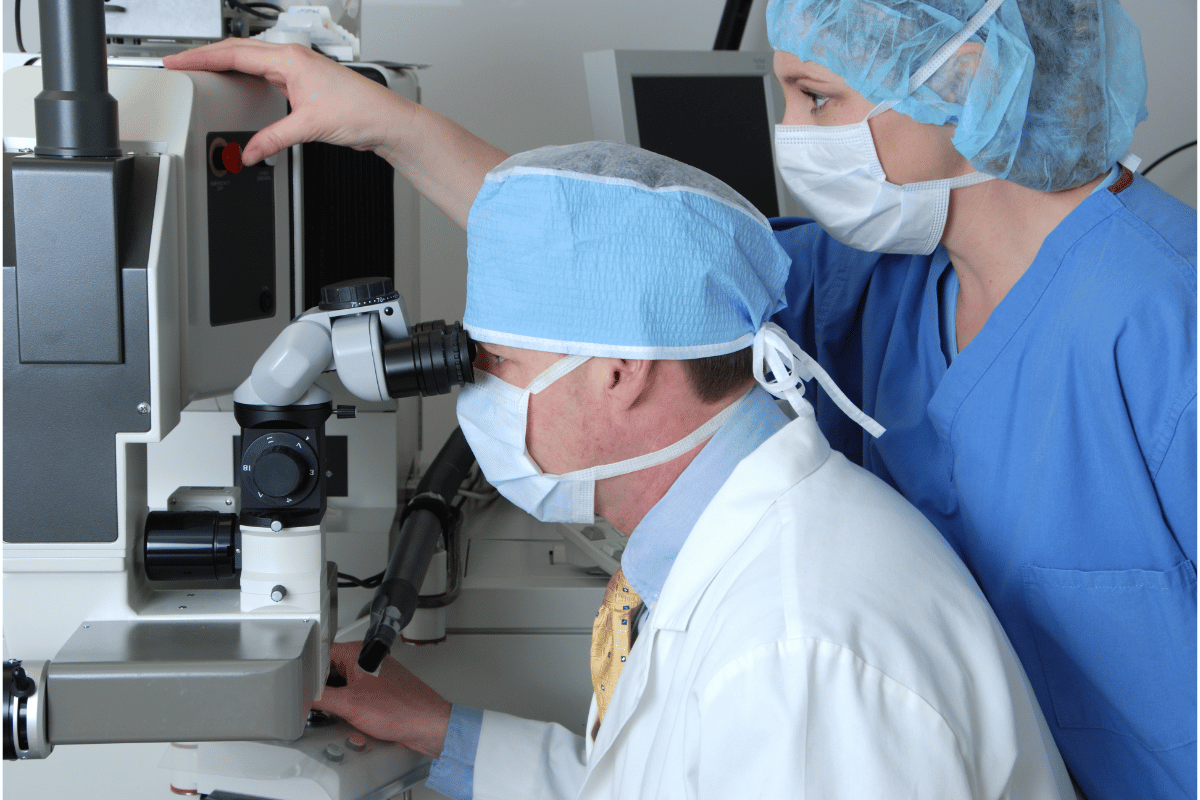


The average cost of PRK surgery in the United States typically ranges from $1,500 to $3,000 per eye, though prices can vary based on technology and surgeon expertise. At Liberty Laser Eye Center, we emphasize that the true value lies in safety and long-term results, not just the upfront price. We strongly advise patients to be wary of unusually low offers, as they often cut corners on critical pre-operative diagnostics and aftercare. For a comprehensive breakdown of what to expect, we recommend reading our internal article titled The Real Cost of Safe, Lasting Vision: How to Avoid 200 Dollar LASIK Scams and Choose a Surgeon You Can Trust to understand how to evaluate costs and choose a surgeon you can trust. Always prioritize a thorough consultation to confirm your candidacy and receive a personalized quote.
That is a common question, and the answer depends entirely on your individual eye anatomy and lifestyle. Neither PRK nor LASIK is universally "better"; they are simply different techniques for achieving the same goal. LASIK involves creating a thin corneal flap, which offers a faster visual recovery, often within 24 hours. PRK, on the other hand, removes the surface epithelium and allows it to regrow, which leads to a longer, more uncomfortable recovery period of several days to a week. However, PRK is often recommended for patients with thinner corneas, dry eye syndrome, or those involved in contact sports where a flap injury is a concern. For a detailed breakdown of what to expect after either procedure, we recommend reviewing our internal article How Long Does LASIK Recovery Really Take?. At Liberty Laser Eye Center, we will always recommend the safest, most effective option for your specific eyes, not a one-size-fits-all approach.
Several factors can disqualify a candidate from PRK surgery. Unstable vision, where your prescription has changed significantly within the last year, is a primary disqualifier. Certain medical conditions, such as uncontrolled autoimmune diseases, diabetes, or a history of keratoconus, also typically rule out PRK. Additionally, if you have severe dry eye syndrome, thin corneas, or are pregnant or nursing, you would not be a candidate. At Liberty Laser Eye Center, we conduct a thorough evaluation to assess all these factors. For a deeper look into eligibility, we recommend reading our internal article titled Are You A Candidate? Surprising LASIK Eligibility Factors, which covers surprising factors that may affect your candidacy.
The primary downside of PRK is a longer and more uncomfortable recovery period compared to LASIK. Because PRK involves removing the outer layer of the cornea (the epithelium) rather than creating a flap, the surface must regenerate over several days. This often results in significant discomfort, light sensitivity, and blurry vision for the first three to five days. Visual recovery is also slower; while LASIK patients often see clearly within 24 hours, PRK patients typically need one to two weeks to achieve functional vision and several months for full stabilization. At Liberty Laser Eye Center, we help patients weigh these factors carefully. For a detailed comparison of recovery and outcomes, please see our article LASIK Vs. PRK: Which Is Right For You?.



115 reviews
