

Juggling three toddlers while dealing with chronic burning eyes was an absolute nightmare. I finally found this Vienna clinic for Dry Eye Treatment. I booked my appointment online at two in the morning. The relief I felt after my visit was instantaneous.

Scheduling my Presby LASIK in Alexandria took five minutes online and finally got rid of my annoying reading glasses.

As a firefighter in Arlington I could not risk a corneal flap so I went with Advanced PRK. They handed me a flat quote upfront with zero hidden fees.

The Dunn Loring clinic calendar got me in instantly for Advanced PRK and their final bill matched the upfront quote perfectly.

I had been wearing glasses since I was a kid and finally decided it was time for a change. The team explained every step before the procedure and made sure I was completely comfortable. Recovery was easier than I expected, and my vision is now sharper than ever.

Everyone at the clinic made me feel comfortable from the moment I walked in. They were friendly, knowledgeable, and always willing to answer my questions. I never felt pressured into making a decision, which made the experience even better. I'm thrilled with my results

My vision had been getting worse every year, so I finally decided to schedule a consultation here. The testing was very thorough, and the doctor explained every result in a way that was easy to understand. The procedure was smooth, and I noticed a huge improvement in my eyesight the very next day.

I was impressed by how detailed the initial evaluation was before recommending treatment. They took the time to make sure I was a suitable candidate instead of rushing into surgery. That level of care gave me complete confidence. Everything went smoothly, and my vision has been excellent ever since.

The whole process was easy and the results was life-changing. This clinic is simple and the best and I would highly recommend this Eye Clinic.

This place combines advanced technology with genuinely caring service. The diagnostics were incredibly detailed and helped me understand my vision problems much better. Staff members were friendly, knowledgeable, and very reassuring throughout the process. Overall an outstanding experience.
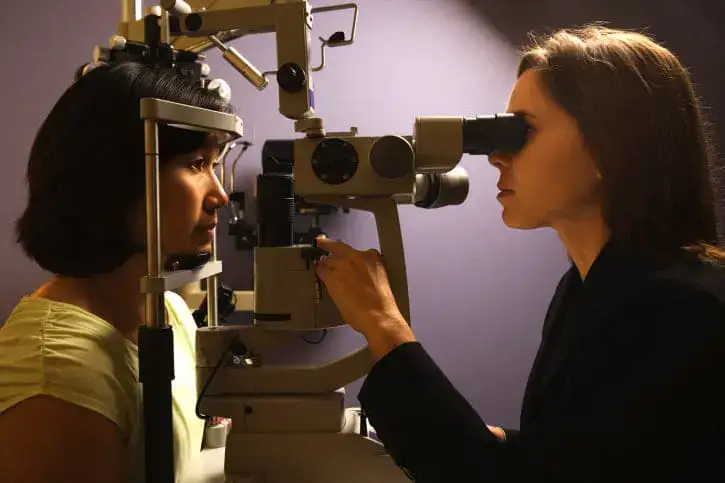


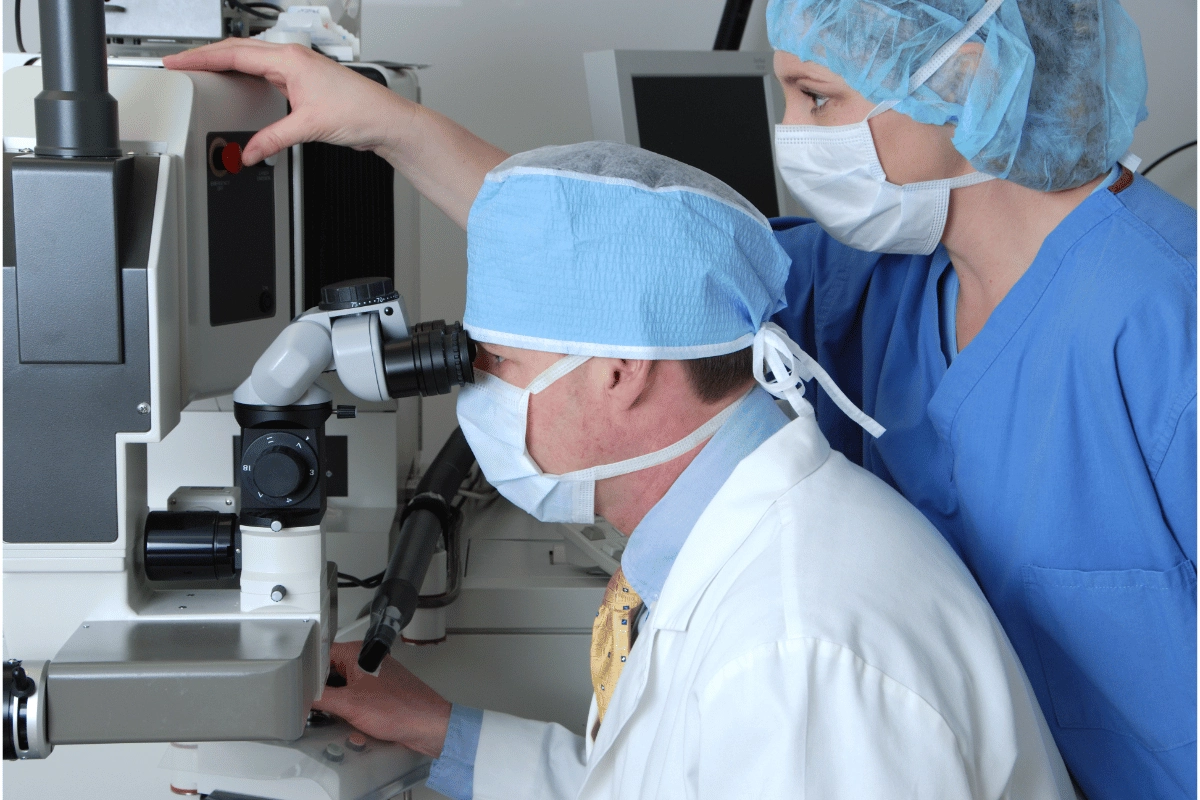
Yes, you can typically undergo laser eye surgery if you have astigmatism. Astigmatism is a common refractive error caused by an irregularly shaped cornea, and modern laser procedures like LASIK or PRK are specifically designed to correct this condition. At Liberty Laser Eye Center, we use advanced mapping technology to precisely reshape the cornea, addressing both astigmatism and other vision issues simultaneously. The success of treatment depends on factors like your prescription stability and corneal thickness. We recommend scheduling a comprehensive evaluation to determine your candidacy. For more insight on making this decision, we encourage you to read our internal article titled Second Opinions: Why They Matter For Vision Correction, which explains the value of exploring all options before committing to a procedure.
The cost of LASIK in Northern Virginia typically ranges from $2,000 to $4,000 per eye, depending on the technology used and the surgeon's experience. At Liberty Laser Eye Center, we emphasize that price should never be the sole factor in your decision. A lower cost may indicate outdated equipment or less comprehensive care. Your final price is determined after a thorough evaluation of your corneal thickness, prescription, and overall eye health. For a detailed breakdown of what is included in your fee, we recommend reading our internal article titled Lasik Consultation at Lasik Eye Surgery | Liberty Laser Eye Center 2025. This resource explains the consultation process and how we ensure transparent pricing for patients in Vienna and Fairfax County. Always ask if the quoted price covers all pre- and post-operative visits.
The primary difference between LASIK and all-laser LASIK lies in how the corneal flap is created. In traditional LASIK, a surgeon uses a mechanical microkeratome blade to cut the flap. In contrast, all-laser LASIK, also known as bladeless LASIK, uses a femtosecond laser to create the flap with greater precision and consistency. This laser method allows for a more customized flap thickness and diameter, potentially reducing the risk of flap-related complications. At Liberty Laser Eye Center, we prioritize advanced technology for optimal outcomes. For more details on the latest techniques, you can read our internal article titled Latest Breakthroughs In Vision Correction Now Available At Liberty Laser Eye Center. Both procedures are highly effective, but the all-laser approach offers enhanced safety and accuracy for many patients.
For individuals considering vision correction in Northern Virginia, the key to a successful outcome lies in choosing a surgeon with a proven track record. The decision to undergo LASIK is significant, and understanding long-term outcomes is crucial. At Liberty Laser Eye Center, we emphasize that patient satisfaction is the ultimate measure of success. For a detailed analysis of this topic, we recommend reviewing our internal article titled Long-Term Patient Satisfaction Rates For LASIK Surgery In Northern Virginia, which provides comprehensive data on patient experiences over time. This resource is designed to help you make an informed decision by focusing on industry standards and the importance of personalized care.



125 reviews