What Happens If You Sleep with Contacts? Let’s Get Real (And Maybe a Little Gross)
We’ve all been there—exhausted after a long day, crawling into bed, and suddenly realizing oh crap, my contacts are still in. “It’s just one night,” we tell ourselves. But here’s the thing: that “one night” could cost you more than a groggy morning. Let’s break down why sleeping in contacts is like playing Russian roulette with your eyeballs—and why folks in Washington DC and beyond are ditching their lenses for good with options like Lasik eye surgery at our Vienna, Virginia hub, Liberty Laser Eye Center.
Table of Contents
Why Sleeping in Contacts is Basically a Horror Movie for Your Eyes
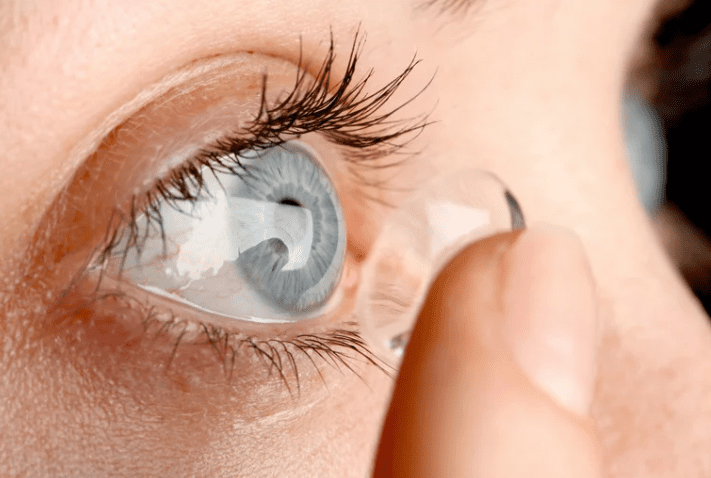
Picture this: your cornea (that clear front part of your eye) needs oxygen like you need coffee on a Monday. Contacts block some of that airflow, even during the day. At night? It’s like putting a plastic bag over your eye and calling it self-care. The result? Your cornea starts throwing tantrums. Think:
- Red, irritated eyes (hello, bloodshot zombie look).
- Scratches or ulcers (no, not the kind you get hiking).
- Infections that could lead to permanent vision loss (yikes).
And here’s the kicker: 1 in 500 contact lens wearers end up with a serious infection each year. Not exactly odds we’d bet on.
But Wait—I’ve Napped in Mine Before and I’m Fine!
Sure, maybe you’ve pulled a few all-nighters or “accidentally” dozed off without issue. But let’s be real: just because you’ve dodged a bullet doesn’t mean the gun isn’t loaded. Sleeping in contacts increases your infection risk by 5-10x, even if you’re using “breathable” silicone hydrogel lenses.
FYI: Those “extended wear” contacts approved for overnight use? They’re not a free pass. You’re still rolling the dice—especially if you have dry eyes, astigmatism, or other conditions. Speaking of which, ever had an Annual Eye Exam? If not, please book one. Your future self will thank you.
“But I Hate Glasses!” – Safer Alternatives to Nightly Contact Drama
Look, we get it. Glasses can feel like a chore, and nobody wants to fumble with lens solution at 2 a.m. That’s why so many people in the Washington DC area are saying “peace out” to contacts and opting for Laser eye surgery.
At Liberty Laser Eye Center, we’re all about matching you with the right fix. Here’s the scoop:
Lasik Eye Surgery: The Gold Standard
- Success rate: Over 96% for qualifying candidates.
- Lasik recovery: Most folks are back to Netflix marathons within 24 hours.
- Best for: Correcting nearsightedness, farsightedness, and astigmatism.
PresbyLASIK Surgery: For the Over-40 Crowd
Struggling with presbyopia (aka “why is this menu suddenly blurry?”)? This tweak on traditional Lasik helps you see both near and far.
Advanced PRK Surgery: For Thin Corneas
Not a Lasik candidate? No worries. PRK is like Lasik’s cool cousin—slightly longer recovery, but same stellar results.
Wavefront Analysis & Topography-Guided Lasik
Think of these as “GPS for your eyes.” They map out every tiny imperfection so your surgery is scarily precise.
When Contacts Aren’t the Problem—But Your Eyes Are
Sometimes, the issue isn’t just your lenses. Conditions like keratoconus (a thinning, bulging cornea) or chronic dry eye need specialized care. That’s where treatments like Corneal Cross-Linking or Dry Eye Therapy come in. And guess what? We offer those too.
Pro tip: If you’re Googling “Dry Eye Treatment near me” or “best Lasik surgeon in Washington DC,” skip the rabbit hole. Our team in Vienna, Virginia, has decades of combined experience and 5-star reviews for a reason.
The Gross-But-Necessary Table: Risks of Sleeping in Contacts
| Risk | What Happens | How Likely? |
|---|---|---|
| Corneal Ulcers | Painful open sores on the cornea. | High with repeated abuse |
| Bacterial Keratitis | Infection that can scar your eye. | Moderate to High |
| Hypoxia | Oxygen-starved corneas (they’ll protest). | Guaranteed |
| Giant Papillary Conjunctivitis | Red, itchy bumps under eyelids. | Common |
“What If I Just… Really Love Contacts?”
Hey, no judgment. If you’re committed to the lens life, at least do it right:
- Never sleep in daily lenses.
- Clean monthly lenses like your vision depends on it (because it does).
- Replace your case every 3 months (seriously, it’s a bacteria party in there).
But IMO? Life’s too short for lens hassle. Imagine waking up with 20/20 vision, no contacts, no glasses—just coffee and confidence. That’s the Lasik life, baby.
FAQ: Burning Questions (No Pun Intended)
1. “Can I nap in my contacts?”
Technically, yes—if you’re using FDA-approved extended wear lenses. But why risk it? Even a 20-minute snooze reduces oxygen flow.
2. “How do I know if I’ve damaged my eyes?”
Redness, pain, light sensitivity, or sudden blurriness? Skip Google and call an eye doc stat.
3. “Is Lasik affordable?”
It’s cheaper than a lifetime of contacts! We offer transparent pricing and financing because your eyeballs shouldn’t be a luxury.
4. “What’s the #1 reason to choose Liberty Laser Eye Center?”
Our success rates and obsession with patient care. Plus, we’re right here in Vienna, Virginia—no need to trek across the country for top-tier treatment.
Final Thoughts: Your Eyes Deserve Better
Let’s cut the BS: sleeping in contacts is like texting your ex—it feels okay in the moment, but the aftermath? Not worth it. Whether you’re dealing with nearsightedness, astigmatism, or just hate glasses, there’s a better way.
At Liberty Laser Eye Center, we’ve helped thousands in Washington DC and beyond swap their lenses for lasting freedom. Ready to join them? Schedule a consultation today. Because honestly, isn’t it time your eyes caught a break?
P.S. If you’re still scrolling, stop procrastinating. Your future clear-vision self is waiting. 🙂
Related Articles
Post-LASIK Travel Tips: Airport Security To Sightseeing
LASIK Scare Stories: Separating Fact From Fiction
What Vienna Patients Can Expect When Watching A Movie In Theatres After LASIK Surgery
Emergency Preparedness: LASIK Surgeons In Washington DC
Why Patients Over 40 In Tysons Corner Frequently Ask About LASIK Candidacy And Expectations
People Also Ask
Sleeping with contact lenses is generally not recommended by eye care professionals, as it significantly increases the risk of eye infections, corneal ulcers, and other complications. Even lenses labeled for extended wear should only be used under strict guidance from your eye doctor. The cornea needs oxygen from the air, and sleeping in lenses reduces oxygen flow, making your eyes more vulnerable to bacteria. For the safest approach, always remove your lenses before sleeping. If you have concerns about your specific lens type or eye health, a consultation with an expert, such as the team at Liberty Laser Eye Center, can provide personalized advice to protect your vision.
No, it is not recommended to take a 20 minute nap while wearing contact lenses. Even short periods of sleep can reduce oxygen flow to your cornea and increase the risk of eye infections, dryness, or corneal abrasions. Contact lenses trap bacteria and debris against the eye, and closing your eyes during a nap creates a warm, moist environment that can promote microbial growth. For optimal eye health, you should always remove your contacts before any sleep, including short naps. At Liberty Laser Eye Center, we advise patients to follow proper lens care guidelines to avoid complications. If you frequently nap, consider switching to daily disposable lenses or consulting with an eye care professional for safer alternatives.
It is generally not recommended to close your eyes for an extended period, like 5 minutes, while wearing contact lenses. Doing so can create a warm, stagnant environment that increases the risk of bacterial growth and reduces oxygen flow to the cornea, potentially leading to irritation or infection. For optimal eye health, contact lenses should be removed before any period of eye closure, including naps. If you are considering LASIK to eliminate the need for contacts, Liberty Laser Eye Center can provide guidance. For more details on eye health and recovery, you can refer to our article The COVID-19 Vaccine Journey: Eye Health and LASIK Insights for comprehensive insights.
Yes, you can wear contact lenses with ocular hypertension, but it requires careful management and regular monitoring. Ocular hypertension means your intraocular pressure is higher than normal, but you do not have glaucoma. Contact lenses themselves do not cause or worsen high eye pressure. However, you must ensure your lenses fit properly and do not irritate your eyes, as any inflammation can complicate pressure readings. At Liberty Laser Eye Center, we recommend routine comprehensive eye exams to track your pressure and corneal health. Always follow your eye doctor's guidance on lens hygiene and replacement schedules. If you experience discomfort or vision changes, remove your lenses and consult your specialist promptly.
Sleeping in contact lenses, even occasionally, significantly increases the risk of serious eye infections, corneal ulcers, and hypoxia. The cornea relies on oxygen from the air, and lenses trap bacteria and debris against the eye. If you have done this for years, it is critical to schedule a comprehensive eye exam immediately. At Liberty Laser Eye Center, we recommend removing contacts before sleep to maintain corneal health. Even lenses labeled for extended wear carry higher risks. Your eyes may have adapted, but underlying damage like neovascularization or scarring could be present. Do not wait for symptoms; a professional evaluation is essential to assess your eye health and discuss safer options, such as LASIK, which eliminates the need for daily lens care.
Falling asleep with contact lenses in for even an hour can be risky. While a short nap might not cause immediate harm, it still reduces oxygen flow to your cornea, increasing the risk of corneal hypoxia, dryness, and irritation. Bacteria can also become trapped between the lens and your eye, raising the chance of infection. For the safest approach, you should always remove contacts before any sleep. If you accidentally doze off, apply rewetting drops upon waking and remove the lenses after blinking. If you experience persistent redness, pain, or blurred vision, consult an eye care professional. At Liberty Laser Eye Center, we emphasize that proper contact lens hygiene is essential for long-term eye health.