
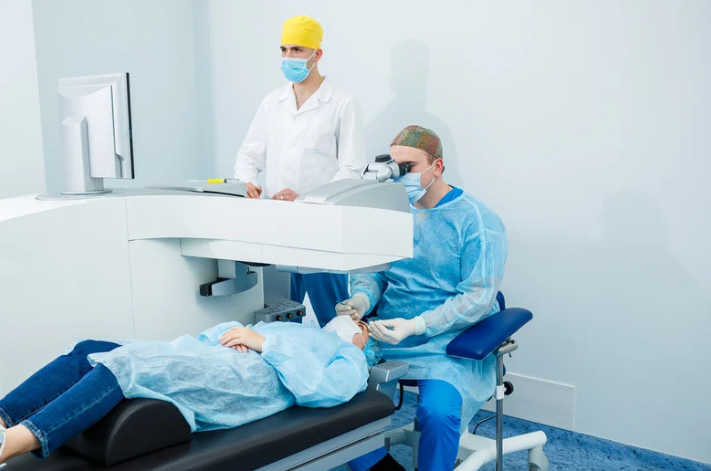
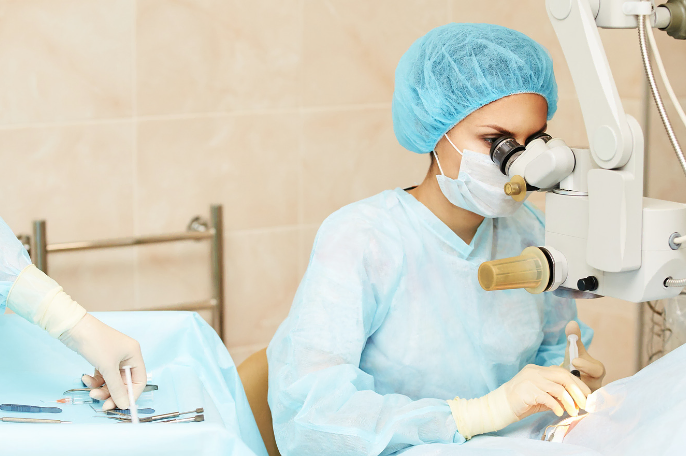

I had a great experience at Liberty Laser Eye Center. Dr. Nancy Tanchel and her entire team were extremely professional, kind, and made me feel comfortable throughout the whole process. They explained everything clearly and answered all of my questions, which really helped me feel confident before the procedure.
The surgery went smoothly and the staff was very supportive from start to finish. I’m very grateful to Dr. Tanchel and her team for their excellent care and professionalism.
Thank you all for helping me improve my vision. I truly appreciate the great work you do.

My vision wasn't terrible, but I was just sick of dealing with the hassle of contacts for sports until I came here. Great and professional business

I had a really good experience at Liberty Laser Eye Center. The staff was friendly and made me feel comfortable the whole time. The procedure was quick, and my vision is so much better now.

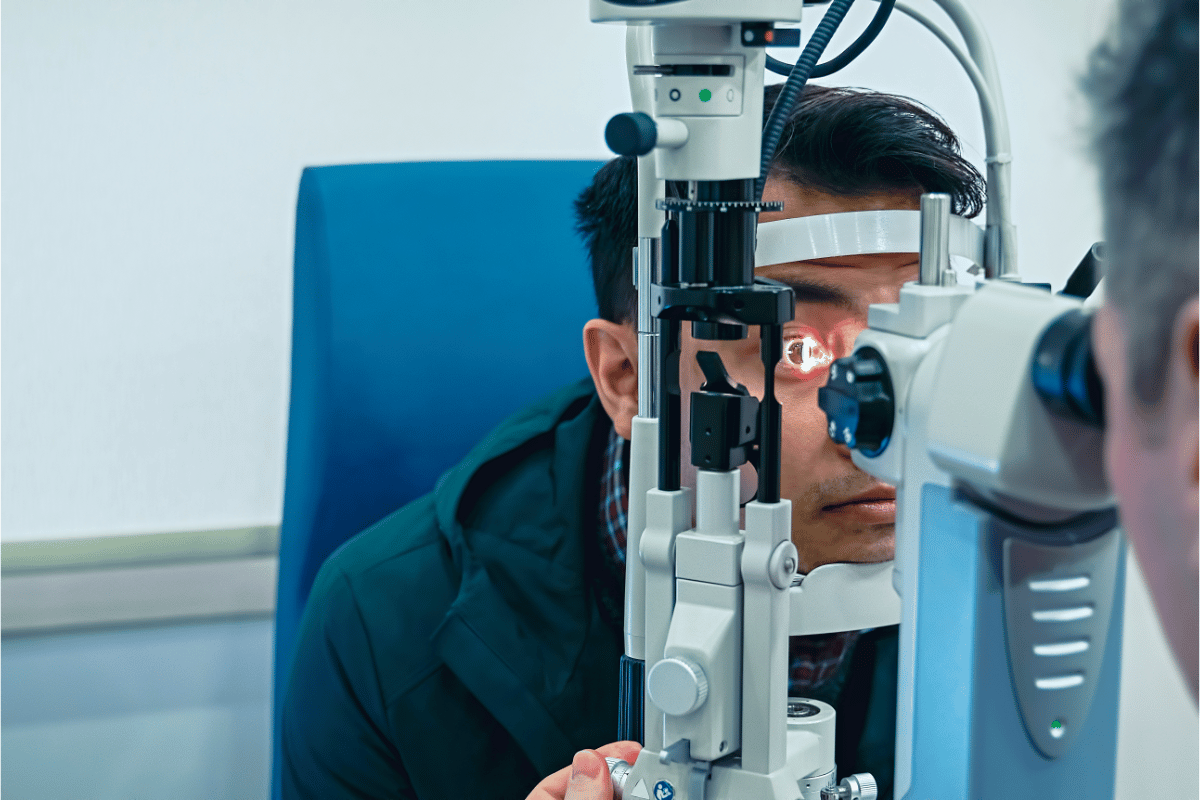
Informative staff offering careful evaluations and supportive patient care throughout the process.

Having LASIK surgery was the best thing I have ever done. Waking up every morning with the ability to see 20/20 without having to reach for my glasses or contacts is the ultimate freedom. The surgery was painless and the staff was incredible. I highly recommend it so don't wait!

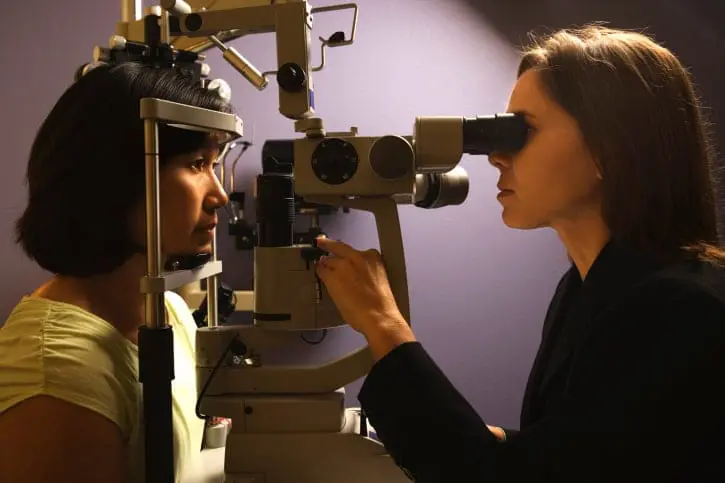
Brought My grandmother for her eye exam. Jeeimy helped us and explained in detail such amazing team.

I’d been thinking about LASIK for years but kept putting it off out of sheer nervousness. The staff at Liberty are some of the kindest and most patient people I’ve ever met. It’s been a few months and I’m still not used to the freedom of just rolling out of bed and seeing.

I consider this the best investment I've ever made in myself, no question about it. The freedom of just rolling out of bed and being able to see is something I'll never take for granted.
The cost of LASIK can vary widely based on technology, surgeon experience, and geographic location. While $4000 for both eyes is within the national average range, it is crucial to understand what that price includes. A comprehensive fee should cover all pre-operative consultations, the procedure itself, and necessary post-operative care for a standard period. Be wary of prices that seem unusually low, as they may exclude important follow-up visits or use older technology. The most important factor is the value you receive—the surgeon's expertise, the technology used (like bladeless or wavefront-guided LASIK), and the center's reputation are often more significant than price alone. Always schedule a consultation to get a detailed breakdown and ensure you are a suitable candidate.
Topoguided LASIK is an advanced form of laser vision correction that uses detailed corneal mapping to create a highly personalized treatment plan. This technology, often called corneal topography or wavefront-guided, captures a precise 3D image of the eye's surface, identifying microscopic irregularities that standard prescriptions might miss. The laser is then programmed to address these unique imperfections, not just the basic refractive error. This customized approach aims to improve visual outcomes, potentially enhancing night vision and reducing the risk of side effects like glare or halos. It is particularly beneficial for individuals with complex corneal shapes or those seeking the highest possible degree of visual acuity.
For individuals aged 70 and older, comprehensive eye exams are recommended at least once every year. This annual schedule is crucial because the risk of age-related eye conditions increases significantly. Key conditions to monitor include cataracts, glaucoma, age-related macular degeneration (AMD), and diabetic retinopathy. Many of these diseases can progress with few or no symptoms in their early stages. Regular check-ups allow an eye care professional to detect issues early, manage existing conditions, and update prescriptions for glasses or contact lenses. Maintaining this annual frequency is a standard of care for preserving vision and overall eye health in older adults.
The most anticipated new eye surgery technology for 2026 is expected to be the continued refinement and wider adoption of presbyopia-correcting laser procedures and next-generation light adjustable lenses (LALs). While not brand-new concepts, 2026 will likely see significant advancements in their precision and customization. These technologies aim to provide a broader range of clear vision, reducing dependence on reading glasses after cataract or refractive surgery. The industry is also progressing with wavefront-guided and topography-guided laser treatments that create highly personalized corneal corrections. It is crucial to consult with a qualified ophthalmologist to determine if you are a candidate for these evolving procedures, as the best option always depends on a thorough evaluation of your individual eye anatomy and vision goals.
Lasik in Great Falls, MT, refers to laser vision correction services available in that region. The procedure, typically LASIK, is a widely performed outpatient surgery to correct common refractive errors like nearsightedness, farsightedness, and astigmatism. When considering this option, it is crucial to research and consult with a qualified, board-certified ophthalmologist who specializes in corneal surgery. A comprehensive eye exam will determine your candidacy based on factors like corneal thickness, prescription stability, and overall eye health. Reputable centers in the area should offer advanced technology, such as wavefront-guided lasers, for personalized treatment. Always discuss the potential risks, benefits, and realistic expectations for your vision outcome during a thorough consultation.


130 reviews

