


I had a great experience at Liberty Laser Eye Center. Dr. Nancy Tanchel and her entire team were extremely professional, kind, and made me feel comfortable throughout the whole process. They explained everything clearly and answered all of my questions, which really helped me feel confident before the procedure.
The surgery went smoothly and the staff was very supportive from start to finish. I’m very grateful to Dr. Tanchel and her team for their excellent care and professionalism.
Thank you all for helping me improve my vision. I truly appreciate the great work you do.

My vision wasn't terrible, but I was just sick of dealing with the hassle of contacts for sports until I came here. Great and professional business

I had a really good experience at Liberty Laser Eye Center. The staff was friendly and made me feel comfortable the whole time. The procedure was quick, and my vision is so much better now.

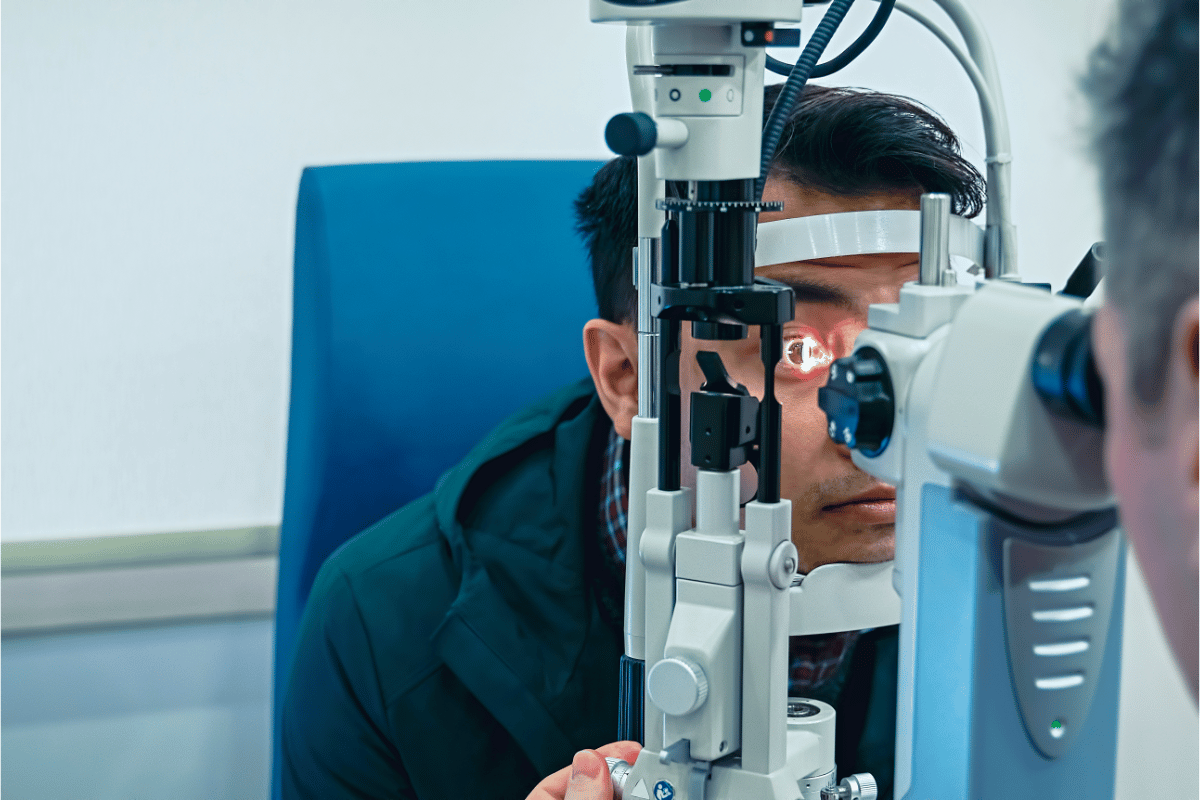
Informative staff offering careful evaluations and supportive patient care throughout the process.

Having LASIK surgery was the best thing I have ever done. Waking up every morning with the ability to see 20/20 without having to reach for my glasses or contacts is the ultimate freedom. The surgery was painless and the staff was incredible. I highly recommend it so don't wait!

Brought My grandmother for her eye exam. Jeeimy helped us and explained in detail such amazing team.

I’d been thinking about LASIK for years but kept putting it off out of sheer nervousness. The staff at Liberty are some of the kindest and most patient people I’ve ever met. It’s been a few months and I’m still not used to the freedom of just rolling out of bed and seeing.

I consider this the best investment I've ever made in myself, no question about it. The freedom of just rolling out of bed and being able to see is something I'll never take for granted.
The cost of LASIK can vary widely based on technology, surgeon experience, and geographic location. While $4000 for both eyes is within the national average range, it is crucial to understand what that price includes. A comprehensive evaluation should determine if you are a suitable candidate. The quoted fee should cover all pre- and post-operative care, any necessary enhancements within a specified period, and the use of advanced technology like wavefront-guided lasers. Be wary of prices that seem unusually low, as they may exclude essential follow-up care or use older equipment. The best value is a combination of a fair price, an experienced surgeon, and a full suite of care, not just the lowest cost.
The primary difference lies in the method used to create the corneal flap at the beginning of the procedure. In traditional LASIK, this flap is created using a precise mechanical instrument called a microkeratome. In "all-laser" LASIK, also commonly marketed as bladeless LASIK, the flap is created using a second, different laser—a femtosecond laser. This laser uses ultra-fast pulses of light to create a precise, customizable flap. Many surgeons prefer the all-laser method for its enhanced precision and potential safety profile, though both techniques are highly effective. For a deeper analysis of the technology and its benefits, we recommend reading our internal article, “Bladeless” LASIK: Marketing Hype Or Real Advantage?.
LASIK is an elective procedure and is not typically covered by insurance or offered for free, as it is considered cosmetic or refractive surgery rather than medically necessary treatment. However, there are ways to reduce the cost significantly. Some centers offer financing plans with low or no interest to make payments manageable. Occasionally, promotional discounts or package deals are available. It's also worth checking if your employer's flexible spending account (FSA) or health savings account (HSA) can be used, as these allow you to pay with pre-tax dollars. For the most accurate assessment and to explore all financial options, a comprehensive consultation is recommended.
The cost of LASIK can vary widely, but the national average typically ranges from $2,000 to $3,000 per eye. This price is influenced by several key factors, including the specific technology used (such as bladeless or custom wavefront-guided procedures), the surgeon's experience and reputation, and the geographic location of the practice. It's crucial to understand that this fee is usually all-inclusive, covering pre-operative consultations, the surgery itself, and essential post-operative care. When evaluating cost, prioritize the value of experience and technology over simply finding the lowest price. For a detailed breakdown of pricing in the Washington, DC area, including financing options, we recommend reviewing our internal resource, Budgeting For LASIK: DC Cost Guide.
Eye consultants and surgeons are highly specialized medical professionals focused on diagnosing, treating, and managing conditions affecting vision and ocular health. An eye consultant, often an ophthalmologist, conducts comprehensive exams, prescribes corrective lenses, and manages medical eye diseases like glaucoma or macular degeneration. An ophthalmic surgeon performs intricate surgical procedures, such as cataract removal, LASIK, corneal transplants, or retinal repairs. Choosing a qualified professional is crucial; look for board certification, extensive experience, and a reputable practice like Liberty Laser Eye Center that utilizes the latest technology. A thorough consultation ensures a tailored treatment plan, whether for routine care or advanced surgical intervention, to achieve the best possible visual outcomes.
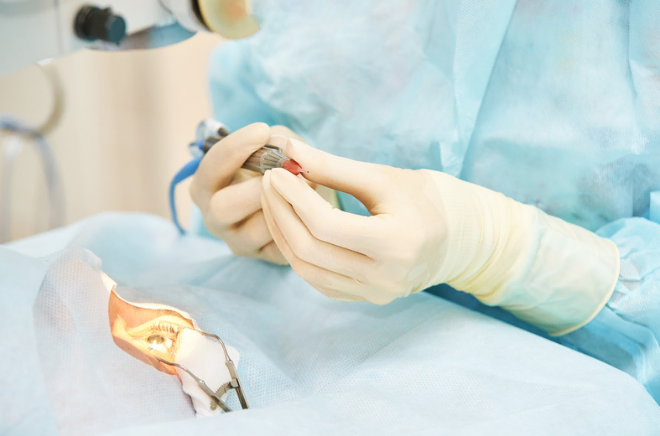
Lasik surgery in Gainesville, Virginia, is a widely available procedure to correct common vision problems like nearsightedness, farsightedness, and astigmatism. The process involves a detailed consultation at a qualified center to assess your corneal thickness, pupil size, and overall eye health to determine if you are a suitable candidate. The actual LASIK procedure uses a laser to reshape the cornea, typically taking only about 15 minutes for both eyes. Recovery is usually quick, with many patients noticing improved vision within 24 hours. It is crucial to choose an experienced, board-certified surgeon who uses the latest laser technology. Potential patients should discuss all benefits and risks, such as dry eyes or glare, during a thorough pre-operative evaluation.


130 reviews

