How Long Does LASIK Recovery Really Take?
So, you’re thinking about ditching those glasses or contacts for good? Smart move. But let’s cut to the chase: when people ask us about Lasik recovery, what they’re really wondering is, “How soon can I binge my favorite show without foggy goggles?” or “Can I make it to my cousin’s wedding without looking like a teary-eyed raccoon?” We get it—life doesn’t stop for surgery. At Liberty Laser Eye Center in Vienna, Virginia, we’ve guided thousands through this (yes, including frantic brides and busy DC professionals). And spoiler: it’s way faster than you’d think. But since we’re all about real talk here, let’s unpack what recovery actually looks like—no sugarcoating, just facts and a dash of humor. Because honestly, if we hear one more myth about “six weeks of dark-room solitude,” we might scream. 🙂
The LASIK Recovery Timeline: What Actually Happens Day by Day
Alright, let’s demystify this. Recovery isn’t some mysterious black hole; it’s a predictable journey. And IMO, seeing it day-by-day makes it less daunting. Here’s a typical timeline based on what we see daily at our clinic near Washington DC:
| Timeline | What You’ll Likely Experience | What We Recommend |
|---|---|---|
| Day 1 (Post-Op) | Blurry vision, mild burning/itching, light sensitivity. Might feel like sand in your eyes. | Rest your eyes! No screens, driving, or rubbing. Use prescribed drops religiously. |
| Days 2–3 | Vision clears significantly (hooray!). Dryness or glare at night is common. | Avoid dusty environments and heavy exercise. Wear sunglasses outdoors. |
| Week 1 | Most daily activities resume. Vision stabilizes, but minor fluctuations happen. | Attend your follow-up. Skip swimming and eye makeup. |
| Weeks 2–4 | Vision sharpens further. Dry eye symptoms fade for most (we’ll tackle hurdles later). | Gradually reintroduce workouts. Use lubricating drops as needed. |
| Month 3+ | Full stabilization! Side effects like halos resolve. Welcome to 20/20 freedom. | Keep up with Annual Eye Exams to maintain those eagle eyes. |
Why trust this? We’ve crunched the data from our own patients—Lasik eye surgery here uses tech like Wavefront Analysis, which personalizes treatment and slashes healing time. FYI, over 95% of our patients are back at work within 48 hours. Not too shabby, right?
Factors That Can Speed Up or Slow Down Your LASIK Recovery
Ever wonder why your neighbor was hiking two days post-op while your coworker took a week? It’s not magic—it’s biology and habits. Here’s the scoop:
- Your prescription: Mild nearsightedness? You’ll likely heal quicker. High astigmatism or farsightedness? Might add a few days.
- Age and health: Younger patients often bounce back faster. Conditions like autoimmune disorders? Let’s discuss alternatives during your consult.
- Aftercare diligence: This is huge. Patients who skip drops or rub their eyes? Yeah, they’re why we keep extra coffee in the breakroom for those panicked calls. :/
At Liberty Laser Eye Center, we’re obsessed with pre-op prep. We screen for things like chronic dryness (hello, Dry Eye Treatment first!) because recovery starts before surgery even begins.
The Role of Technology in Faster, Smoother Recovery
Let’s geek out for a sec. Not all laser eye surgery is created equal. Older methods? They’re like flip phones—functional but clunky. Modern tech at clinics like ours (ahem, the best Lasik surgeons in Northern VA) cuts recovery time in half. How?
- Topography-Guided LASIK Surgery: Maps your cornea like GPS, reducing errors and inflammation.
- Wavefront Analysis: Customizes the laser to your eye’s unique quirks—bye-bye generic fixes.
- Advanced PRK Surgery: For thinner corneas, it’s a tad slower to heal than LASIK but just as effective long-term.
We switched to these tools years ago, and honestly? Recovery complaints dropped like bad pop songs. Patients near us in Vienna love that they can often drive by day two.
Not Just LASIK: How Other Vision Correction Procedures Stack Up
LASIK isn’t the only show in town. Depending on your peepers, other eye surgery types might suit you better—and yes, recovery varies. Here’s a quick cheat sheet:
- PresbyLASIK Surgery: For presbyopia (aka “why is this menu blurry?”). Recovery mirrors LASIK but may need tweaks for reading vision.
- Advanced PRK: No flap creation, so safer for athletes. Downside: 5–7 days of downtime vs. LASIK’s 1–2.
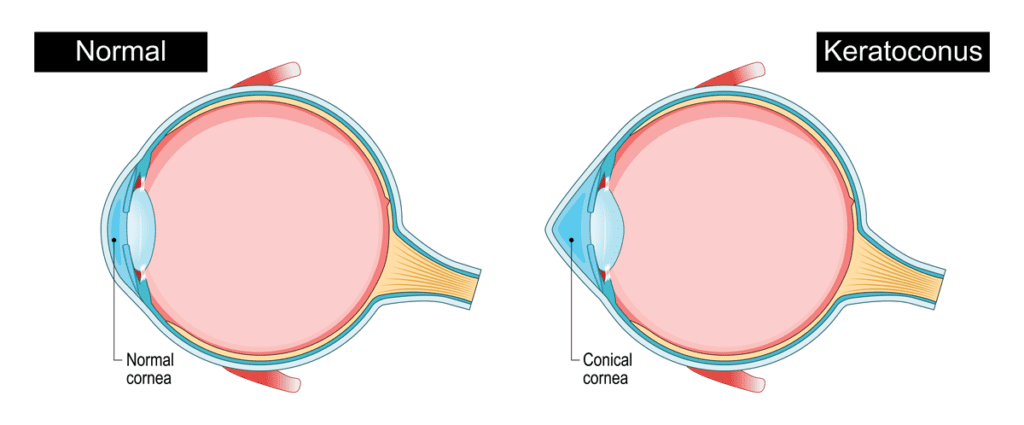
- Corneal Cross-Linking: For keratoconus (cone-shaped corneas). Healing takes weeks, but it stabilizes your vision for life.
Pro tip: During your consult at our DC-nearby center, we’ll match you to the right procedure. Because forcing LASIK on unsuitable eyes? That’s like using a hammer for heart surgery—no thanks.
Common Hurdles in LASIK Recovery (and How to Leap Over Them)
Okay, real talk: recovery isn’t always sunshine. But most “hurdles” are tiny bumps, not walls. At Liberty Laser Eye Center, we prep you for these:
- Dry eyes: Super common. Solution? Dry Eye Treatment pre-op and preservative-free drops post-op.
- Night glare/halos: Usually fades in weeks. Wavefront-guided LASIK minimizes this.
- Anxiety: “Did I blink? Is my vision worse?” Breathe. We’re a call away—seriously, ring us.
Our hot take? 90% of issues stem from skipping aftercare. Use the drops, wear the goggles, and for heaven’s sake, don’t Google symptoms at 2 a.m.
Why Your Choice of Surgeon Matters (Hint: It’s a Big Deal)
Picking a Lasik doctor based on price alone? Oof. That’s like choosing a parachute for its color. Success rate, tech, and reviews matter way more. Here’s why we’re proud of our spot as a top provider near Washington DC:
- Tech-driven precision: Our Topography-Guided and Wavefront tools boost accuracy.
- Transparency: We’ll show you facts and cost breakdowns—no hidden fees. Affordable doesn’t mean cheap; it means value.
- Location perks: As the closest high-tech center for many in Vienna, we’re easy for follow-ups.
Check our reviews. Patients rave about quick recoveries because our Lasik eye surgeons treat every eye like a masterpiece.
Real Talk: How to Know if You’re a Good Candidate for LASIK
Not everyone’s a fit. But don’t stress—we’ll tell you straight. Ideal candidates:
- Have stable vision (no prescription changes in a year).
- Aren’t pregnant/nursing.
- Have corneas thick enough for a flap (we measure this!).
Conditions like severe keratoconus or autoimmune diseases? We might suggest Corneal Cross-Linking or Advanced PRK instead. Bottom line: Book a consult. It’s free, and we’re nice. 🙂
Debunking the Myths: What Recovery Doesn’t Look Like
Myths about LASIK are wilder than conspiracy theories. Let’s torch a few:
- “You’ll be blind for weeks!” Nope. Most see clearly within 24 hours.
- “It’s crazy painful!” More like mild discomfort. We use numbing drops—you’ll feel pressure, not pain.
- “Recovery is the same for everyone!” LOL. Your healing is as unique as your Netflix queue.
At our Virginia center, we love myth-busting. Why? Because fear shouldn’t hold you back from freedom.
The Long Game: Life After LASIK Recovery
Here’s the best part: once healed, you’re done! Lasik recovery is short; the rewards are lifelong. Studies show a success rate of 96% for 20/20 vision. We see it daily—patients finally seeing leaves on trees or their partner’s smile clearly. But: Protect those eyes with sunglasses and yearly exams. Vision changes? We offer touch-ups.
Your LASIK Recovery Checklist: Do’s and Don’ts
Do:
- Use all prescribed drops (even when you feel fine).
- Wear eye shields while sleeping for the first week.
- Attend follow-ups—we spot issues before you do.
Don’t:
- Rub your eyes (tempting, but disastrous).
- Swim or use hot tubs for two weeks.
- Ignore unusual symptoms—call us!
Frequently Asked Questions (FAQs)
-
“How soon can I drive after LASIK?”
Most patients drive within 24–48 hours, once vision meets legal standards. We’ll confirm at your first follow-up! -
“Can I wear makeup after surgery?”
Hold off for a week. Eye makeup = bacteria city, and your healing eyes don’t need that drama. -
“What if I have dry eyes before LASIK?”
No sweat! We’ll start Dry Eye Treatment first. Many patients proceed after a few weeks of prep. -
“Is LASIK painful during recovery?”
Not painful—more like gritty or itchy. Discomfort fades fast with drops. Severe pain? Call us ASAP; it’s rare.
So, there you have it: LASIK recovery is typically a blink-and-you’ll-miss-it affair (pun intended). Most folks are back to normal in days, not weeks—especially with tech like ours at Liberty Laser Eye Center in Vienna, Virginia. Whether you’re near sighted, battling astigmatism, or just over glasses, we’re here to help. Ready for clarity? Contact us for a consult. We’re your nearest experts, and hey, we’ll even throw in coffee. 😉 Because life’s too short for blurry vision. Let’s fix yours.
Related Articles
Understanding LASIK Recovery Time Return To Work
Screen Time Before & After Laser Eye Surgery
The 10-Year LASIK Satisfaction Survey Results
LASIK And Screen Dominant Jobs: Tech Industry Focus
People Also Ask
The typical timeline for full LASIK recovery is often described as 3 to 6 months, though most patients achieve functional vision within 24 to 48 hours. Initial healing, where the corneal flap seals, occurs within the first week. During this time, patients may experience dryness, glare, and mild fluctuations in vision. It is crucial to follow all post-operative instructions, including using prescribed antibiotic and anti-inflammatory eye drops. Visual acuity generally stabilizes significantly within the first month, but the cornea continues to undergo subtle remodeling for several months, which is when the final, sharpest quality of vision is achieved. For a detailed guide on managing post-operative dryness, a common factor in recovery comfort, see our resource Dry Eye Treatment & LASIK Recovery | Liberty Laser Eye Center Vienna, VA.
The typical recommended rest period after LASIK surgery is 24 to 48 hours for initial recovery. During this time, patients are advised to keep their eyes closed as much as possible, avoid screens, and sleep to promote healing. Most people can return to non-strenuous work and daily activities within a couple of days. However, full visual stabilization and complete healing of the corneal flap can take several weeks to a few months. It is crucial to avoid rubbing the eyes, swimming, or contact sports for the timeframe specified by your surgeon. For individuals in demanding professions, recovery planning is especially important. We discuss considerations for high-stakes careers in our internal article, LASIK For Firefighters And First Responders. Always follow the specific post-operative instructions provided by your laser vision correction specialist.
Most patients can return to work within 1 to 3 days after LASIK, but this depends heavily on your job demands and personal healing. For standard office work, many people are back at their desk after a day or two of rest. However, if your job involves strenuous physical activity, exposure to dust or debris, or prolonged screen time, you may need to plan for a longer break of up to a week. It is crucial to follow all post-operative care instructions, including using prescribed eye drops and attending follow-up appointments. For a detailed guide on what to expect during your healing process, including specific timelines for different activities, we recommend reading our internal article Understanding LASIK Recovery Time Return To Work.
Most patients experience a dramatic improvement in vision within 24 hours after LASIK surgery. However, achieving your final, stabilized "100%" vision typically takes a bit longer. It is common for vision to fluctuate slightly during the initial healing period, which can last from a few days to several weeks. Factors like your initial prescription, corneal healing rate, and any pre-existing dry eye can influence this timeline. Full visual stabilization, where your prescription is completely settled, can take up to three to six months. For detailed, long-term patient outcomes, you can review our internal data in the article The 10-Year LASIK Satisfaction Survey Results. It is crucial to attend all scheduled post-operative appointments so your surgeon can monitor your progress.