Combining LASIK With Other Vision Procedures: Your One-Stop Vision Upgrade?
Alright, let’s chat about something we get asked all the time here at Liberty Laser Eye Center in Vienna, Virginia: “Can you fix everything wrong with my eyes in one go?” Seriously, who wouldn’t want to wave a magic wand (or, you know, a highly calibrated laser) and ditch glasses forever? While we haven’t perfected the magic wand (yet!), combining LASIK with other vision procedures is often totally possible—and downright brilliant. Think of it like upgrading your entire entertainment system instead of just buying a new TV.
We see folks daily dealing with the whole gang: Nearsightedness, Farsightedness, Astigmatism, and the dreaded Presbyopia (hello, reading glasses after 40!). Sometimes Keratoconus joins the party too. Tackling these together? That’s where the real magic happens.
Why Stack Procedures Like a Pro?
Honestly, why wouldn’t you? Imagine fixing your distance vision with LASIK eye surgery and handling age-related near-vision blur with PresbyLASIK Surgery simultaneously. Boom—clear vision near and far without juggling specs. Or pairing LASIK with Corneal Cross-Linking to stabilize the cornea if Keratoconus is lurking. It’s efficient, cost-effective long-term, and you only go through Lasik recovery once. Win-win-win.
The Vision Issues We Tackle Together
Let’s break down the usual suspects:
- Nearsightedness (Myopia): Can’t see the whiteboard? LASIK’s MVP here.
- Farsightedness (Hyperopia): Struggling to read your phone? We’ve got lasers for that.
- Astigmatism: Blurry or distorted vision at all distances? Wavefront-guided LASIK loves this challenge.
- Presbyopia: Suddenly holding menus at arm’s length? PresbyLASIK Surgery or lens-based options can help.
- Keratoconus: A thinning, bulging cornea? Corneal Cross-Linking is our stabilizer.
Ever met someone with just one of these? Yeah, us neither. That’s why combo treatments exist!
Popular Power Couples: LASIK & Its Perfect Partners
Here’s where it gets exciting. At Liberty Laser Eye Center, we customize like a master tailor. Check out these dynamic duos:
LASIK + PresbyLASIK
Perfect For: Folks over 40 wanting clear vision at ALL distances.
How it Works: LASIK fixes distance, while PresbyLASIK tweaks one eye slightly for near vision (monovision or blended vision). No more readers!
LASIK + Advanced PRK Surgery
Perfect For: Thin corneas, certain occupations (fighters, contact sports), or active lifestyles.
Why Pair Them? PRK doesn’t create a flap. If LASIK isn’t ideal alone, PRK steps in beautifully.
LASIK + Wavefront or Topography-Guided Tech
Perfect For: High-order aberrations or irregular corneas.
The Perk: Wavefront Analysis maps your eye like a fingerprint. Topography-Guided LASIK Surgery uses corneal topography for ultra-personalized treatment. Think bespoke vision.
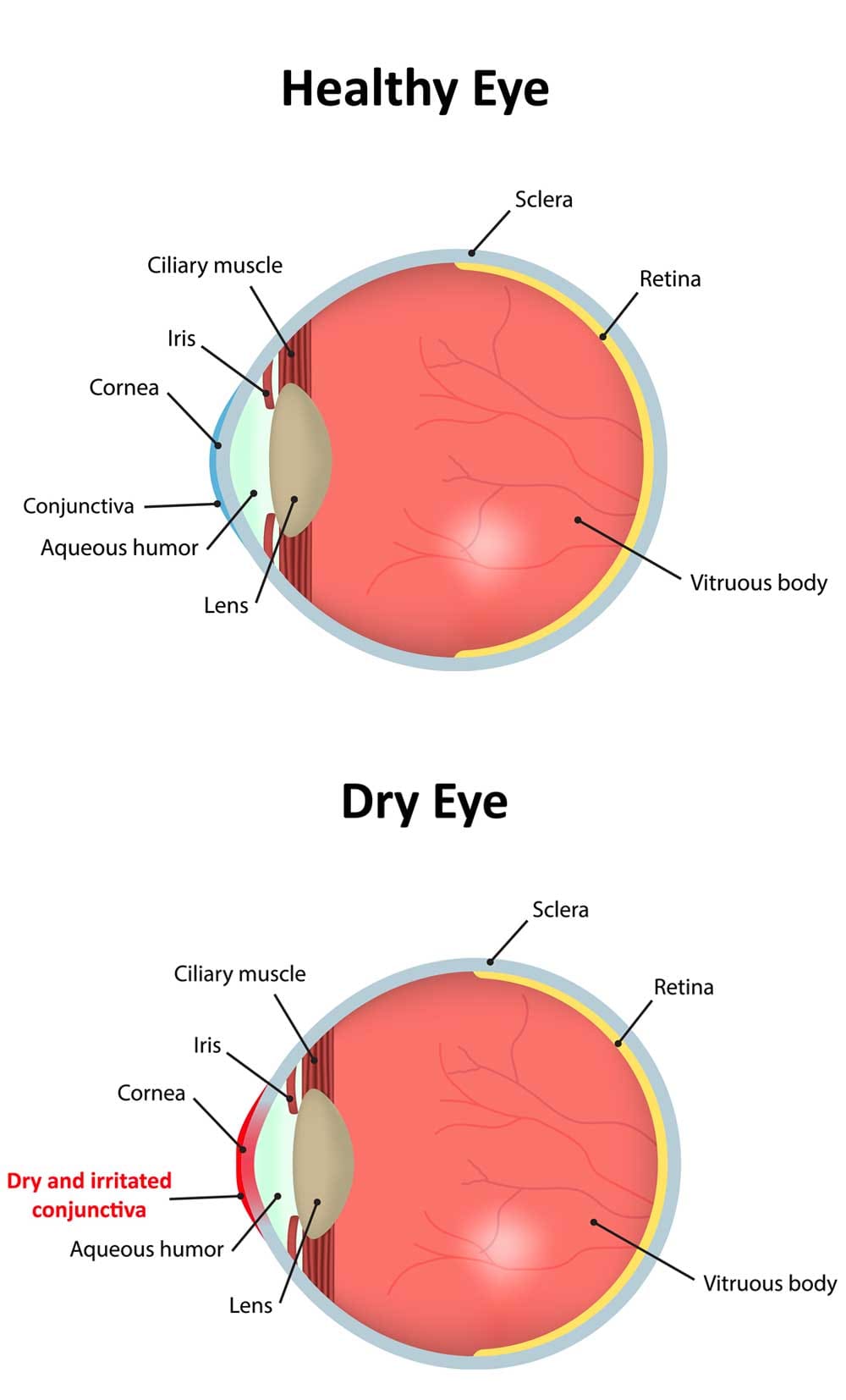
LASIK + Dry Eye Treatment
Perfect For: Anyone prone to dry eyes (which can worsen post-LASIK).
Our Move: We proactively manage dryness before and after surgery. Comfort is key!
LASIK + Corneal Cross-Linking (CXL)
Perfect For: Stabilizing mild Keratoconus while correcting vision.
The Big Win: Halt progression and ditch glasses? Yes, please.
Your Eyes, Your Plan: The Liberty Laser Approach
Finding the best Lasik surgeon near you isn’t just about the laser—it’s about the plan. Here in Washington DC, our Vienna, VA center uses cutting-edge diagnostics (like Wavefront and Topography) to map your eyes. We then craft a combo plan just for you. Why trust us?
- Experience: We’ve seen it all (and fixed most of it).
- Tech: Top-tier lasers and diagnostics.
- Honesty: If combining isn’t right, we’ll tell you. No upselling, just facts.
FYI, your Annual Eye Exam is non-negotiable here—it’s our roadmap!
Recovery & Success Rates: What to Expect
“Will combining procedures make Lasik recovery worse?” Great question! Usually, recovery mirrors standard LASIK. You might experience slightly drier eyes or longer visual stabilization with combos like PresbyLASIK, but success rates remain sky-high when performed by skilled Lasik doctors. Most folks are back to work in 1-3 days. Pro tip: Follow aftercare religiously.
Combined Procedure Recovery Snapshot
| Procedure Combo | Key Recovery Insight | Visual Stabilization |
|—————————|————————————————–|————————–|
| LASIK + PresbyLASIK | Slight adjustment to monovision possible | 1-4 weeks |
| LASIK + PRK | Longer initial healing (no flap) | 2-6 weeks |
| LASIK + Cross-Linking | Extra monitoring for corneal stability | 4-8 weeks |
| LASIK + Dry Eye Treatment | Enhanced lubrication regimen | 1-2 weeks (plus ongoing) |
Let’s Talk Cost: Investment vs. Lifetime of Clarity
We get it—you want affordable laser eye surgery. Combining procedures can be more cost-effective long-term than multiple separate surgeries. While prices vary, bundling often offers better value. Curious about cost? Schedule a consult—we’re transparent, no hidden fees. Remember, paying a bit more for the best Lasik surgeon nearby beats bargain-bin vision.
Why Your Annual Eye Exam is Your Secret Weapon
Seriously, don’t skip this! Your yearly check-up spots changes early (like Keratoconus or Presbyopia onset), letting us plan proactively. Catching things early = more combo options. It’s like getting a software update before your system crashes.
FAQs: Your Burning Questions, Answered
-
Q: Is combining LASIK with other procedures riskier?
A: Not inherently. Risks depend on your eye health and surgeon skill. At Liberty Laser, advanced diagnostics minimize risks. We only recommend combos when they’re safer/more effective than separate surgeries. -
Q: How do I know if I’m a candidate for combined procedures?
A: A comprehensive evaluation at our Vienna center is key! We’ll assess your cornea, prescription, age, and overall eye health. Keratoconus, severe dryness, or unstable prescriptions might rule it out. -
Q: Will insurance cover combined vision procedures?
A: Usually not, as most are considered elective. However, Corneal Cross-Linking for Keratoconus might have coverage. We help with financing and flexible payment plans. -
Q: Are results permanent?
A: LASIK corrects your current prescription permanently. However, eyes age! Presbyopia progresses, or minor changes can occur. An Annual Eye Exam helps us monitor this. Touch-ups are rare but possible.
Ready to See Life in HD?
Combining LASIK with other vision procedures isn’t sci-fi—it’s smart, personalized eye care. At Liberty Laser Eye Center in Vienna, Virginia (just a hop from Washington DC), we live for these transformations. Why settle for fixing one thing when you can overhaul your entire visual experience?
Check our reviews, meet our team of top Lasik eye surgeons, and let’s map out your clearest future. IMO, life’s too short for blurry moments.
Give us a call or visit our website today—your best vision is waiting! 🙂
Keywords Used Contextually: near me, nearest, closest, nearby, Lasik eye surgery, laser eye surgery, best Lasik surgeon, Washington dc, eye surgery types, Lasik recovery, PresbyLASIK Surgery, Advanced PRK Surgery, Wavefront Analysis, Topography-Guided LASIK Surgery, Dry Eye Treatment, Corneal Cross-Linking, reviews, Nearsightedness, Farsightedness, Astigmatism, Presbyopia, Keratoconus, near sighted, success rate, Lasik doctors, Lasik eye surgeons, affordable, price, cost, facts, Annual Eye Exam.
Related Articles
Corneal Cross-Linking With LASIK: When It’s Needed
LASIK Eye Surgery Cost: A Comprehensive Guide 2025
People Also Ask
Monovision, a common approach to correcting presbyopia, has notable downsides. The primary issue is the potential loss of stereopsis, or depth perception, as the brain receives a clear image from only one eye at a given distance. This can make tasks like threading a needle, pouring liquids, or judging stairs more challenging and may be particularly problematic for night driving. Some individuals also experience persistent ghosting, glare, or a sense of visual imbalance that the brain cannot fully adapt to. Furthermore, it can complicate the fitting of future premium intraocular lenses (IOLs) or laser vision correction, as the visual system has been trained to suppress one eye. A thorough consultation with an eye care professional is essential to determine if one's lifestyle and visual demands are compatible with this correction method.
Blended vision LASIK, often referred to as presbyopia-correcting LASIK or monovision LASIK, is a specialized laser vision correction technique designed to reduce dependence on reading glasses. Instead of correcting both eyes for perfect distance vision, the procedure intentionally sets one eye (typically the dominant one) for optimal distance vision and the other eye for optimized near vision. The brain learns to blend the two images, providing a functional range of clear vision for both far-away objects and close-up tasks like reading. This approach is a popular solution for individuals over 40 experiencing presbyopia. For a deeper look at advanced laser vision correction options, see our detailed resource: Revolutionary LASIK Technology for Clear Vision | Liberty Laser Eye Center.
Cross-linking and LASIK are fundamentally different procedures designed for distinct purposes, making a direct comparison of "better" inaccurate. LASIK is a refractive surgery primarily used to correct common vision errors like nearsightedness, farsightedness, and astigmatism by reshaping the cornea. Corneal cross-linking (CXL) is a therapeutic treatment, not a vision-correcting procedure. Its primary purpose is to halt the progression of keratoconus or other corneal ectatic diseases by strengthening the corneal collagen fibers. For a patient with a stable, healthy cornea seeking vision correction, LASIK is the standard. For a patient with a progressive thinning disorder like keratoconus, CXL is the essential first step to stabilize the cornea; vision correction may be considered later. For individuals concerned about corneal thickness, our internal article, Thin Corneas? Alternative Vision Correction Options, explores important considerations.
Yes, it is generally possible to get LASIK after undergoing corneal cross-linking (CXL), but it is a carefully managed two-stage process. Cross-linking is a procedure that strengthens the cornea, typically to treat keratoconus or corneal ectasia. It is crucial that the cornea is stable for a significant period—usually at least one to two years—after CXL before considering LASIK. The eye surgeon must conduct thorough pre-operative testing to ensure the cornea has stopped thinning and changing shape, has adequate thickness, and that the patient's prescription has remained stable. This sequential approach allows for the safe correction of refractive errors like nearsightedness or astigmatism after the underlying structural instability has been addressed. Not all patients who have had CXL will be suitable candidates for LASIK, and alternative vision correction options may be discussed.
Yes, it is often possible to have a LASIK enhancement procedure, even 20 years after your initial surgery. This is commonly referred to as a "touch-up" or "revision." The primary determining factors are the current thickness and health of your corneal tissue, as sufficient corneal thickness must remain to safely perform the laser ablation. Your overall eye health, the stability of your current prescription, and the specific reason for vision changes (like presbyopia or a slight regression) will be thoroughly evaluated. A comprehensive consultation with an ophthalmologist is essential. They will perform advanced diagnostic tests to map your cornea and determine if you are a suitable candidate for a repeat procedure or if an alternative vision correction option would be more appropriate.