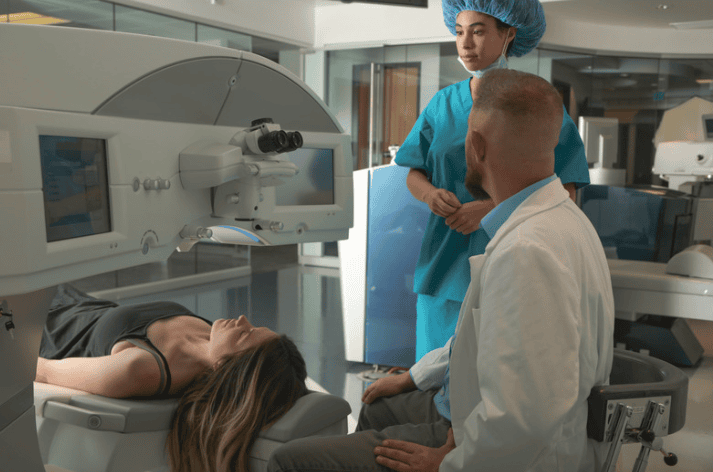
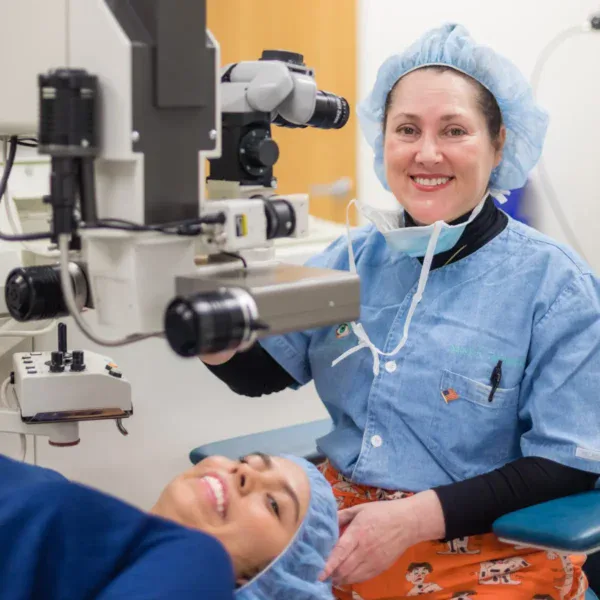
The price of LASIK can vary significantly based on technology, surgeon experience, and geographic location. While $4000 is within the typical national average range for both eyes, it is not inherently a "good" or "bad" price on its own. The critical factor is what that fee includes. A comprehensive, high-quality procedure should cover all pre- and post-operative care, advanced technology like wavefront-guided mapping, and the surgeon's expertise. Be wary of prices that seem unusually low, as they may exclude necessary follow-ups or use outdated equipment. Always prioritize the surgeon's qualifications and the technology used over cost alone for a safe, effective outcome with long-term value.
Topoguided LASIK is an advanced form of laser vision correction that uses detailed corneal mapping to create a highly personalized treatment plan. This technology, often called wavefront- or topography-guided, involves capturing a precise 3D map of the eye's unique surface imperfections, including irregularities that standard prescriptions might miss. The laser is then programmed to address these minute contours, aiming not just for standard visual acuity but for optimized quality of vision. It is particularly beneficial for individuals with complex corneal shapes, higher-order aberrations, or those seeking enhancement after previous surgery. The goal is to provide a customized treatment that can potentially improve contrast sensitivity and reduce visual disturbances like glare and halos, offering a tailored approach to achieving clearer sight.
PTK (Phototherapeutic Keratectomy) surgery is generally considered to have minimal discomfort during the procedure itself, as anesthetic eye drops are used to numb the eye. Patients typically feel only slight pressure. The post-operative period, however, involves a recovery process where some pain or significant discomfort is common. This usually peaks within the first 24 to 72 hours and can include a gritty or foreign body sensation, light sensitivity, and tearing. The level of pain is often described as moderate and manageable with prescribed pain relief and anti-inflammatory medications. Adherence to post-op care, including using medicated eye drops and wearing protective shields, is crucial for healing and minimizing discomfort. Most patients find the temporary discomfort acceptable given the procedure's goal of removing diseased corneal tissue and improving vision.
The primary difference between SMILE and topography-guided LASIK lies in the technique and the type of vision correction they address. SMILE (Small Incision Lenticule Extraction) is a minimally invasive, flapless procedure where a femtosecond laser creates a precise lenticule within the cornea, which is then removed through a small incision. It's often preferred for treating myopia and astigmatism with potentially faster recovery of corneal biomechanical strength. Topography-guided LASIK is a customized surface ablation procedure. It uses detailed corneal mapping (topography) to guide the excimer laser, allowing for a highly personalized treatment that can address not only standard refractive errors but also subtle corneal irregularities and higher-order aberrations. This makes it particularly valuable for enhancing visual quality and treating irregular astigmatism, often in enhancement procedures. The choice between them depends on the patient's specific corneal anatomy, prescription, and visual goals.
Finding the best ophthalmologist in Rockville, MD, involves considering several key factors. You should seek a board-certified professional with extensive experience in your specific eye care needs, whether that's routine exams, cataract surgery, glaucoma management, or LASIK consultations. Look for doctors with strong patient reviews and a reputation for using the latest diagnostic and surgical technology. It is advisable to verify their credentials with the American Board of Ophthalmology and check affiliations with reputable local hospitals. A top practice will offer a comprehensive range of services and prioritize clear communication, ensuring you fully understand your eye health and all treatment options available to you.
Shady Grove Ophthalmology represents a typical specialized eye care practice, focusing on medical and surgical treatment of eye diseases, comprehensive exams, and vision correction. Such a practice would likely offer services like cataract surgery, glaucoma management, LASIK evaluations, and treatment for retinal conditions. The standard of care involves using advanced diagnostic technology, such as optical coherence tomography (OCT) and digital retinal imaging, to ensure precise diagnoses. For patients, choosing a reputable ophthalmology practice involves verifying the surgeons' board certifications, reviewing the range of surgical services offered, and assessing the use of modern, FDA-approved laser and surgical equipment. It is always recommended to have a thorough consultation to discuss all treatment options, potential outcomes, and personalized care plans based on individual eye health needs.
To find a reputable LASIK eye surgery provider near you, start by consulting with your optometrist for a referral, as they understand your eye health history. Research local clinics that are accredited and staffed by board-certified ophthalmologists with extensive experience in refractive surgery. Read patient reviews and testimonials to gauge satisfaction and outcomes. During consultations, ask about the technology used, such as wavefront-guided LASIK, and the surgeon's complication rates. Ensure the clinic offers a comprehensive pre-operative evaluation to determine your candidacy and discusses all potential risks and benefits. Many providers offer financing options, so inquire about costs and payment plans. Always prioritize safety and expertise over proximity alone.
126 reviews