


I had a great experience at Liberty Laser Eye Center. Dr. Nancy Tanchel and her entire team were extremely professional, kind, and made me feel comfortable throughout the whole process. They explained everything clearly and answered all of my questions, which really helped me feel confident before the procedure.
The surgery went smoothly and the staff was very supportive from start to finish. I’m very grateful to Dr. Tanchel and her team for their excellent care and professionalism.
Thank you all for helping me improve my vision. I truly appreciate the great work you do.

My vision wasn't terrible, but I was just sick of dealing with the hassle of contacts for sports until I came here. Great and professional business

I had a really good experience at Liberty Laser Eye Center. The staff was friendly and made me feel comfortable the whole time. The procedure was quick, and my vision is so much better now.

Informative staff offering careful evaluations and supportive patient care throughout the process.

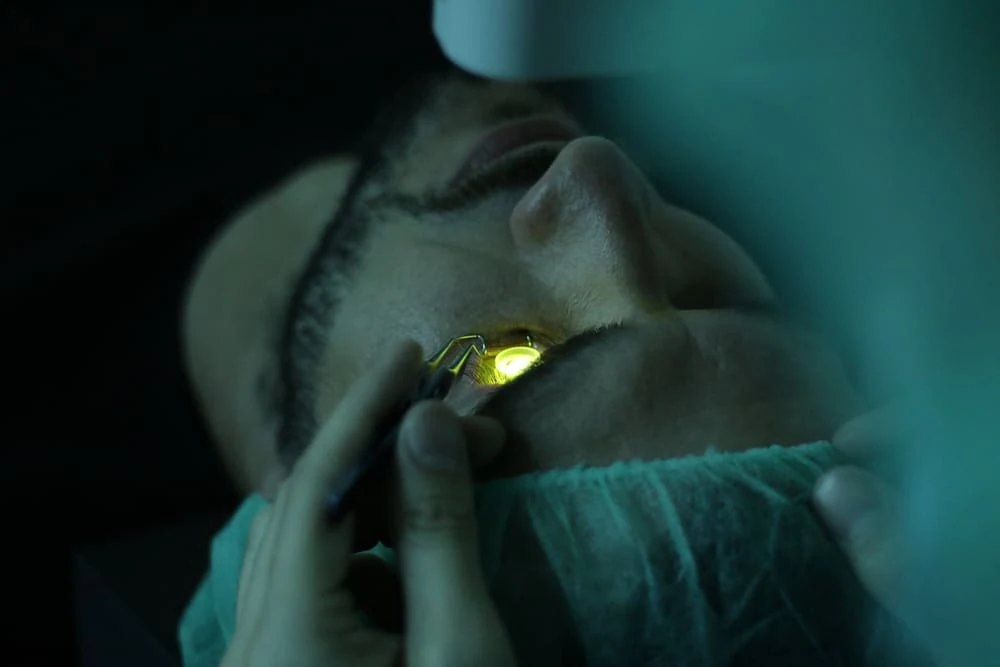
Having LASIK surgery was the best thing I have ever done. Waking up every morning with the ability to see 20/20 without having to reach for my glasses or contacts is the ultimate freedom. The surgery was painless and the staff was incredible. I highly recommend it so don't wait!

Brought My grandmother for her eye exam. Jeeimy helped us and explained in detail such amazing team.

I’d been thinking about LASIK for years but kept putting it off out of sheer nervousness. The staff at Liberty are some of the kindest and most patient people I’ve ever met. It’s been a few months and I’m still not used to the freedom of just rolling out of bed and seeing.

I consider this the best investment I've ever made in myself, no question about it. The freedom of just rolling out of bed and being able to see is something I'll never take for granted.
There is no publicly confirmed information that Taylor Swift has undergone any specific eye surgery. Celebrities often maintain privacy regarding personal medical procedures. However, many individuals, including public figures, choose vision correction options like LASIK or PRK to reduce dependence on glasses or contact lenses. These are safe, effective laser procedures that reshape the cornea to correct common refractive errors such as nearsightedness, farsightedness, and astigmatism. The best way to determine the right procedure is through a comprehensive consultation with an ophthalmologist, who can evaluate corneal thickness, prescription stability, and overall eye health to recommend a personalized treatment plan.
Lasik surgery is a highly safe and effective procedure, but it is not considered 100% risk-free. It has an excellent track record, with the vast majority of patients achieving 20/20 vision or better and reporting high satisfaction rates. However, as with any surgical procedure, there are potential risks and side effects. These can include temporary dry eyes, glare, halos, or, in rare cases, more significant complications like infection or under-correction. Safety is maximized through a thorough pre-operative screening to ensure you are a suitable candidate. Choosing an experienced, board-certified surgeon at a reputable center like Liberty Laser Eye Center is the most critical step in minimizing risks and achieving the best possible outcome.
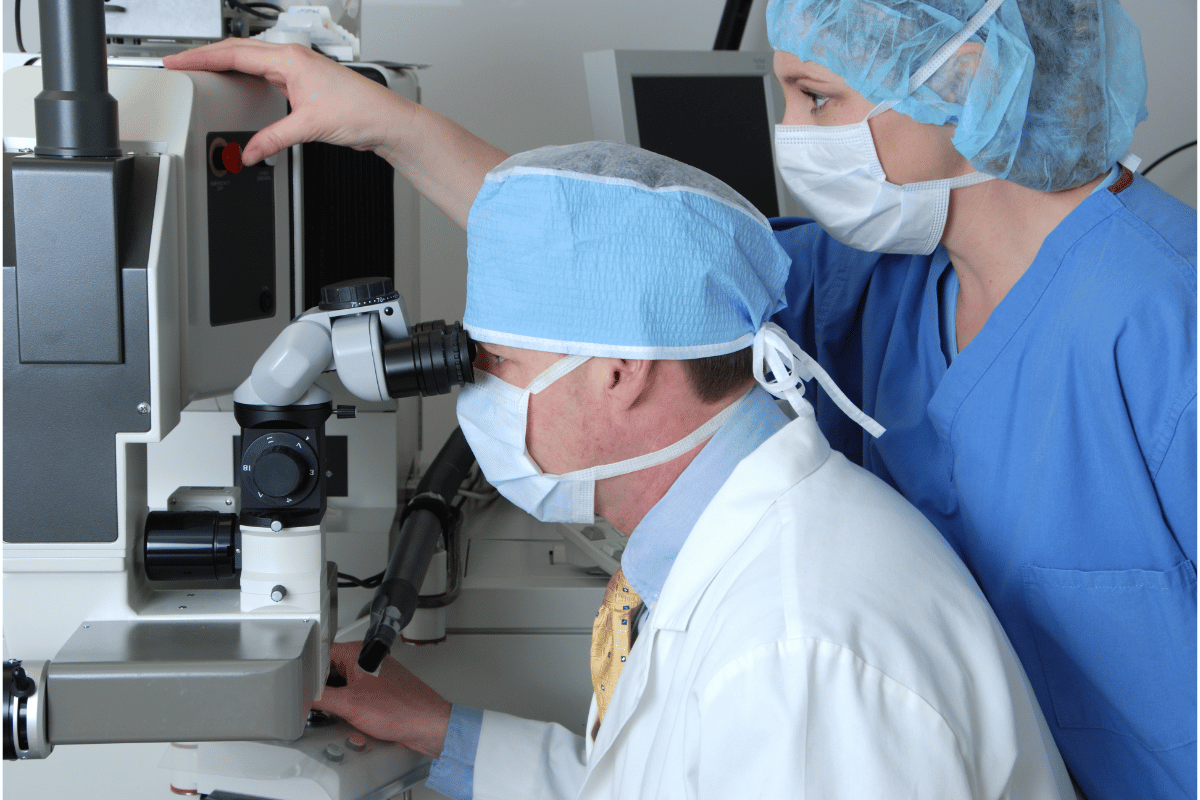
Wave front analysis is a sophisticated diagnostic technology used in ophthalmology to create a highly detailed map of the eye's optical system. It measures how light waves are distorted as they pass through the cornea and lens, identifying even the most minute imperfections—called higher-order aberrations—that standard prescriptions cannot correct. This data is crucial for personalized vision correction procedures like custom LASIK. By guiding the laser with this precise map, surgeons can tailor treatment to the unique characteristics of each patient's eye, potentially achieving visual outcomes sharper than what is possible with glasses or standard contact lenses. This analysis represents a significant advancement in pursuing supernormal vision.
A refractive specialist is an ophthalmologist who has undergone additional, focused training in the medical and surgical correction of refractive errors. These errors, such as myopia (nearsightedness), hyperopia (farsightedness), astigmatism, and presbyopia, affect how the eye focuses light. The specialist's expertise lies in precisely diagnosing these conditions and providing the full spectrum of treatment options. This includes prescribing glasses and contact lenses, but most notably, performing advanced laser vision correction procedures like LASIK and PRK, as well as other surgical interventions such as implantable collamer lenses (ICLs). Their goal is to tailor a vision correction plan to each patient's unique eyes and lifestyle, aiming for the clearest possible vision without dependence on external aids.


130 reviews

