
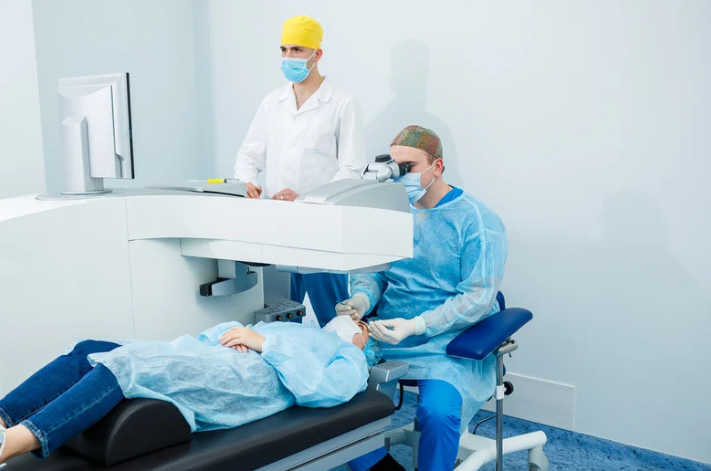
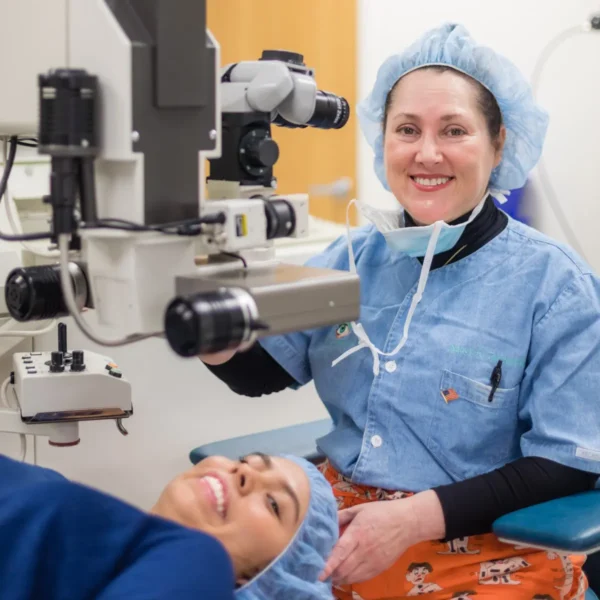

I had a great experience at Liberty Laser Eye Center. Dr. Nancy Tanchel and her entire team were extremely professional, kind, and made me feel comfortable throughout the whole process. They explained everything clearly and answered all of my questions, which really helped me feel confident before the procedure.
The surgery went smoothly and the staff was very supportive from start to finish. I’m very grateful to Dr. Tanchel and her team for their excellent care and professionalism.
Thank you all for helping me improve my vision. I truly appreciate the great work you do.

My vision wasn't terrible, but I was just sick of dealing with the hassle of contacts for sports until I came here. Great and professional business

I had a really good experience at Liberty Laser Eye Center. The staff was friendly and made me feel comfortable the whole time. The procedure was quick, and my vision is so much better now.

Informative staff offering careful evaluations and supportive patient care throughout the process.

Having LASIK surgery was the best thing I have ever done. Waking up every morning with the ability to see 20/20 without having to reach for my glasses or contacts is the ultimate freedom. The surgery was painless and the staff was incredible. I highly recommend it so don't wait!

Brought My grandmother for her eye exam. Jeeimy helped us and explained in detail such amazing team.

I’d been thinking about LASIK for years but kept putting it off out of sheer nervousness. The staff at Liberty are some of the kindest and most patient people I’ve ever met. It’s been a few months and I’m still not used to the freedom of just rolling out of bed and seeing.

I consider this the best investment I've ever made in myself, no question about it. The freedom of just rolling out of bed and being able to see is something I'll never take for granted.
Wavefront LASIK is often considered a worthwhile advancement for many patients seeking vision correction. This technology, also known as custom or wavefront-guided LASIK, creates a detailed 3D map of your eye's unique imperfections, going beyond standard prescriptions for nearsightedness, farsightedness, and astigmatism. By treating these higher-order aberrations—subtle distortions that can affect night vision and contrast sensitivity—the procedure aims to provide sharper, clearer quality of vision, particularly in low-light conditions. While it may come at a premium compared to conventional LASIK, the potential for superior visual outcomes makes it a valuable option to discuss with your surgeon. For a deeper look at advanced laser eye surgery technologies, you can read our internal article “Bladeless” LASIK: Marketing Hype Or Real Advantage?.
Wavefront LASIK is designed to provide a permanent correction to your vision. The procedure reshapes the cornea to correct refractive errors like nearsightedness, farsightedness, and astigmatism. This structural change is lasting. However, it's crucial to understand that the results are permanent for the prescription you had at the time of surgery. Your vision can still change naturally over time due to age-related conditions, most notably presbyopia (the need for reading glasses in your 40s) or the development of cataracts later in life. These are separate from the LASIK correction. For the vast majority of patients, the improvement from Wavefront LASIK is stable and long-lasting, often for decades, provided their eye prescription was stable prior to the procedure.
Wavefront technology, specifically wavefront-guided LASIK, represents a significant advancement in laser vision correction accuracy. It creates a highly detailed, three-dimensional map of the eye's unique optical system, measuring imperfections called higher-order aberrations that standard prescriptions miss. This allows the laser to perform a truly customized treatment. The technology is exceptionally accurate, enabling surgeons to tailor the procedure with micron-level precision, which often translates to superior visual outcomes. Many patients achieve vision that is 20/20 or better, and a high percentage report sharper, clearer night vision compared to conventional methods. This personalized approach aims to reduce the risk of side effects like glare and halos, making it a premium option for eligible candidates seeking the most precise correction available.
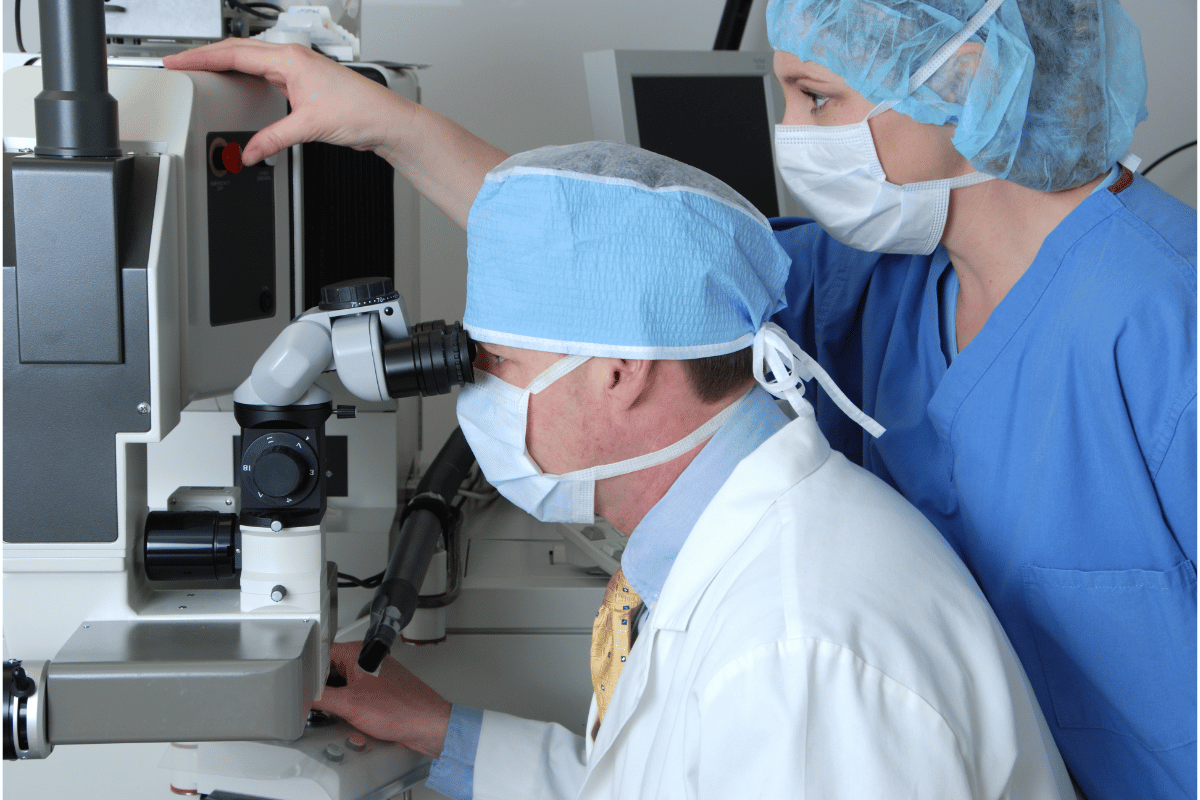
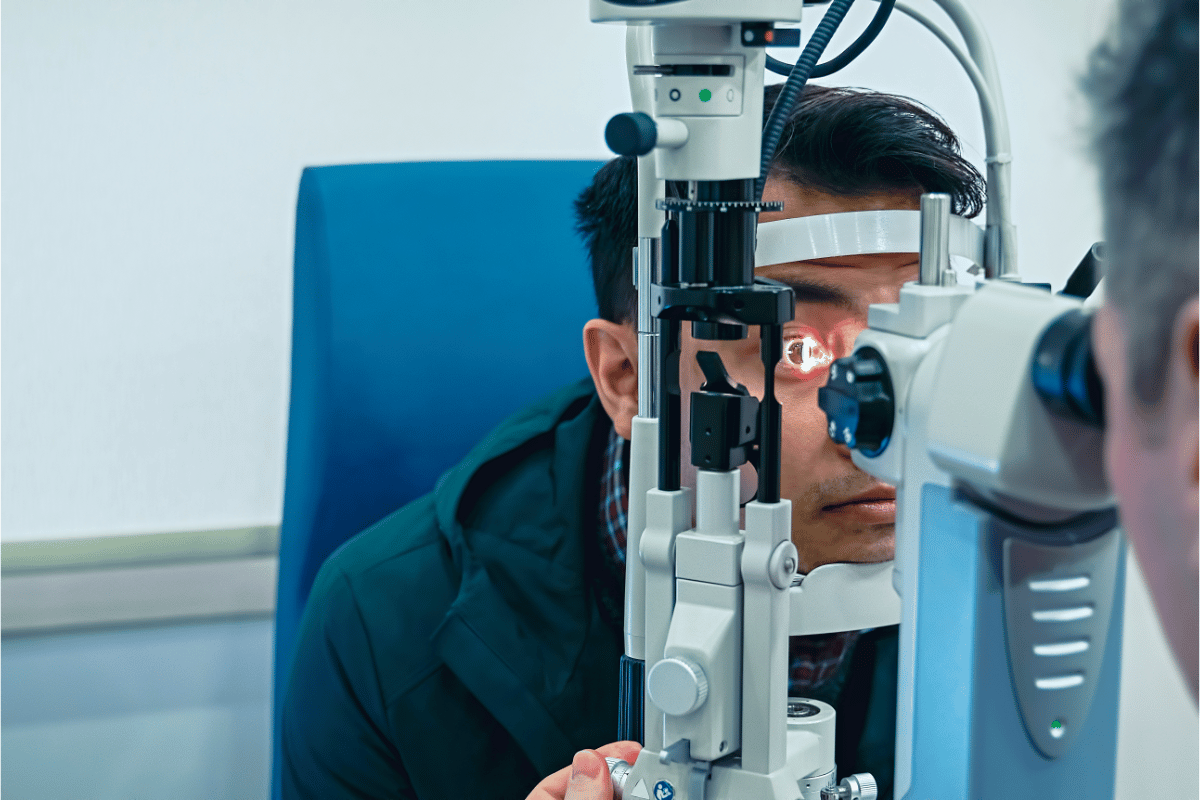
A wavefront exam is a highly detailed diagnostic procedure that maps the unique imperfections of your eye, going far beyond a standard prescription. You can expect a comfortable, non-invasive process. You will look into a specialized device that projects a low-power laser light into your eye. The light scatters as it passes through the cornea and lens, and the device's sophisticated sensors analyze the reflected pattern to create a precise, three-dimensional map of your optical system. This map, known as an aberrometry, identifies both common refractive errors like nearsightedness and higher-order aberrations that can cause glare or halos. The entire exam is quick and painless, providing your surgeon with critical data to plan a truly customized vision correction procedure like wavefront-guided LASIK.


130 reviews

