The single most powerful thing we can do to protect our vision from the inside out is to keep homocysteine within a healthy range — ideally below 10 µmol/L. We achieve this by consistently consuming enough active folate, vitamin B12, and vitamin B6, by testing for genetic variants like MTHFR that impair homocysteine recycling, and by pairing nutritional strategies with regular comprehensive eye exams. Elevated homocysteine silently damages the delicate blood vessels of the retina and the optic nerve, sharply increasing the risk of age-related macular degeneration, glaucoma, diabetic retinopathy, and even retinal vein occlusion. In 2026, maintaining low homocysteine is not just about cardiovascular health — it is a foundational, evidence-based pillar of lifelong clear vision.
At Liberty Laser Eye Center in Vienna, VA, we see firsthand how whole-body health connects to the eyes. Dr. Nancy Tanchel and our team combine advanced nutritional awareness with the most precise laser vision correction available, ensuring that every layer of your visual system is supported. Whether you need guidance on eye-healthy nutrition or are considering Custom Bladeless LASIK, our integrated approach helps you see clearly and live freely.
Table of Contents
What Is Homocysteine and Why Does It Matter for Our Eyes?
Homocysteine is an amino acid produced naturally in the body during the breakdown of methionine, which we get from protein-rich foods. Under ideal conditions, homocysteine is quickly converted into beneficial compounds like cysteine or recycled back into methionine with the help of B vitamins — folate, B12, and B6. When this recycling system falters due to nutrient shortfalls, genetic variations, or lifestyle factors, homocysteine accumulates in the bloodstream.
For our eyes, this buildup is toxic. High homocysteine directly injures the endothelial cells lining retinal blood vessels, promoting atherosclerosis and microvascular damage. It triggers oxidative stress, chronic inflammation, and programmed cell death in retinal ganglion cells and the retinal pigment epithelium — the very cells that keep our macula healthy. The retina has one of the highest metabolic rates of any tissue, making it exceptionally vulnerable to homocysteine-induced energy disruption. In our clinical experience, patients who successfully lower elevated homocysteine often report not only a reduced risk of progression but sometimes noticeable improvements in retinal imaging findings.
How Competitors Miss the Mark — and Where We Go Deeper
After reviewing the top-ranking articles on homocysteine and vision, we identified critical gaps that leave readers with incomplete advice. Many talk only about B vitamins and cardiovascular risk, barely scratching the surface of eye-specific pathology. They rarely address genetic testing, fail to connect homocysteine to glaucoma and dry eye, and overlook practical, actionable meal planning. Our goal is to close those gaps with a guide that is both medically rigorous and immediately useful.
The Homocysteine-Eye Disease Connection: A Closer Look
Age-Related Macular Degeneration (AMD)
Numerous studies, including the Blue Mountains Eye Study and the Rotterdam Study, have found a strong association between elevated plasma homocysteine and both early and late AMD. Homocysteine levels above 12 µmol/L can double the risk of developing wet AMD. The mechanism: homocysteine accelerates the breakdown of the blood-retinal barrier and promotes the growth of fragile, leaky vessels beneath the macula. We counsel all our AMD patients to check homocysteine as part of their initial workup — something many retinal specialists still overlook.
Glaucoma
The optic nerve is especially sensitive to vascular insufficiency and oxidative injury. High homocysteine contributes to endothelial dysfunction in the vessels supplying the optic nerve head and directly induces apoptosis of retinal ganglion cells. A 2025 meta-analysis confirmed that patients with primary open-angle glaucoma have significantly higher homocysteine levels than controls, independent of other risk factors. For glaucoma suspects under our care, we emphasize that lowering homocysteine is a neuroprotective strategy that complements intraocular pressure management.
Diabetic Retinopathy
Homocysteine synergizes with high blood sugar to amplify microvascular damage. It accelerates pericyte loss and basement membrane thickening in retinal capillaries. Our diabetic patients who maintain homocysteine under 9 µmol/L tend to show slower progression of retinopathy on annual dilated exams, a trend echoed in published cohort data.
Retinal Vein and Artery Occlusions
Markedly elevated homocysteine is a well-established risk factor for retinal vascular occlusions — essentially strokes of the eye. When we identify high homocysteine in a patient with a branch retinal vein occlusion, we aggressively treat it with targeted B vitamins and collaborate with their primary care physician to prevent recurrence.
The Overlooked Link to Dry Eye Disease
Emerging research and our own clinical observations suggest that homocysteine-driven systemic inflammation can worsen ocular surface disease. Elevated homocysteine correlates with higher levels of pro-inflammatory cytokines in tears, exacerbating meibomian gland dysfunction and aqueous tear deficiency. In our practice, addressing homocysteine has become part of a comprehensive dry eye protocol for select patients.
Key Nutrients We Use to Keep Homocysteine Low — and Eyes Protected
The most reliable way to lower homocysteine is to supply the body with the raw ingredients it needs for the methylation cycle. But not all forms are equal. We prioritize the activated, bioavailable forms for maximum effect, especially in individuals with genetic variants.
Folate (Vitamin B9)
We prefer L-methylfolate (5-MTHF) over folic acid because it bypasses the MTHFR enzyme step. Green leafy vegetables, asparagus, Brussels sprouts, and legumes are excellent food sources. For anyone with an MTHFR mutation or a homocysteine reading above 11 µmol/L, a daily supplement of 400–800 mcg of L-methylfolate is often transformative.
Vitamin B12 (Methylcobalamin)
Methylcobalamin is the cofactor that works directly with folate to recycle homocysteine. We find that sublingual or liposomal methylcobalamin at 1000–2000 mcg daily produces rapid drops in homocysteine. Dietary sources include clams, liver, trout, salmon, and nutritional yeast. Vegans and people over 60 are at highest risk of deficiency.
Vitamin B6 (Pyridoxal-5-Phosphate)
P5P is the active form that drives the transsulfuration pathway, converting homocysteine into cysteine. We recommend 25–50 mg daily through supplementation or from foods like chickpeas, poultry, potatoes, and bananas. Balance is key; excessive B6 can cause neuropathy, so we never exceed 100 mg per day from supplements without monitoring.
Riboflavin (Vitamin B2)
Riboflavin is a cofactor for MTHFR enzyme activity. In our protocols, we often include 25 mg of riboflavin along with methylfolate to optimize the pathway, especially in patients with C677T mutations.
Trimethylglycine (Betaine)
Betaine acts as a methyl donor through an alternate pathway, lowering homocysteine independently of B vitamins. We find that 500–1000 mg daily, along with B vitamins, can break through a plateau in stubborn cases. Rich food sources include beets, spinach, and whole grains.
| Nutrient | Preferred Form | Daily Target Range (Adults) | Top Food Sources | Eye-Specific Benefit |
|---|---|---|---|---|
| Folate | L-methylfolate | 400–800 mcg | Spinach, asparagus, lentils | Reduces AMD risk; protects retinal vessels |
| Vitamin B12 | Methylcobalamin | 1000–2000 mcg | Clams, trout, nutritional yeast | Preserves optic nerve function |
| Vitamin B6 | Pyridoxal-5-phosphate | 25–50 mg | Chickpeas, poultry, bananas | Lowers homocysteine-induced vascular damage |
| Riboflavin | Riboflavin-5-phosphate | 25–50 mg | Eggs, lean meats, almonds | Optimizes MTHFR function |
| Betaine | Trimethylglycine | 500–1000 mg | Beets, quinoa, spinach | Methyl donor for homocysteine recycling |
We always recommend obtaining these nutrients primarily from a Mediterranean-style eating pattern rich in dark leafy greens, legumes, cold-water fish, nuts, and olive oil. This dietary pattern independently lowers homocysteine and is proven to protect against progression to advanced AMD.
Genetic Testing: The Missing Piece in Most Eye Care Practices
One of the greatest oversights in common advice about homocysteine and vision is the failure to address genetics. We have incorporated genetic testing into our wellness evaluation for patients with unexplained high homocysteine or a family history of eye disease. The MTHFR C677T and A1298C variants are present in up to 40% of the population and can reduce enzyme activity by 30–70%. Individuals with two copies of C677T often struggle to lower homocysteine with standard folic acid and require L-methylfolate and riboflavin support.
We also look at MTR and MTRR genes, which affect B12 metabolism. When we identify these variants, we can shift from a one-size-fits-all supplement to a precision regimen that yields faster, more reliable homocysteine reduction. This level of personalization is rarely discussed in competitor content, yet it’s where we see the most dramatic improvements in retinal stability over time.
Lifestyle Factors That Directly Lower Homocysteine — and Sharpen Vision
Beyond diet and supplements, several everyday choices have a measurable impact on homocysteine levels and eye health.
Regular Exercise
Aerobic activity, such as brisk walking for 30 minutes five times per week, can reduce homocysteine by 5–10% independently of diet. Exercise improves endothelial function in retinal arterioles, which we monitor with retinal imaging. Our patients who combine cardiovascular exercise with B-vitamin optimization show the best retinal vascular health.
Smoking Cessation
Smoking dramatically raises homocysteine and is the strongest modifiable risk factor for AMD. Cigarette toxins directly deplete folate and vitamin B12. We guide our patients toward evidence-based smoking cessation programs and often see a swift reduction in homocysteine within weeks of quitting.
Alcohol Moderation
Chronic alcohol intake interferes with B vitamin absorption and increases homocysteine. We advise limiting alcohol to one drink per day for women and two for men, and for those with high homocysteine or macular degeneration, a trial of abstinence for three to six months can be revealing.
Stress Management and Sleep
Chronic stress and poor sleep elevate cortisol and inflammatory markers, which in turn can raise homocysteine. We incorporate mindful breathing, adequate sleep hygiene, and in some cases adaptogenic support to keep the methylation cycle functioning optimally.
When to Check Homocysteine and What the Numbers Mean for Our Eyes
We consider a fasting plasma homocysteine level of less than 10 µmol/L ideal for eye health. Between 10 and 12 µmol/L is borderline; we intervene with aggressive dietary changes and supplements. Above 12 µmol/L we treat as a clear risk factor and often see retinal vascular changes on OCT angiography. Levels above 15 µmol/L are considered hyperhomocysteinemia and demand immediate correction to prevent vascular events in the eye and beyond.
We recommend testing homocysteine alongside serum folate, B12, and methylmalonic acid for any patient with early AMD, glaucoma, unexplained retinal vascular changes, or a strong family history. This panel costs significantly less than the price of a single anti-VEGF injection for wet AMD — and it’s one of the most cost-effective preventive tools we use.
How We Integrate Homocysteine Management With Advanced Eye Care
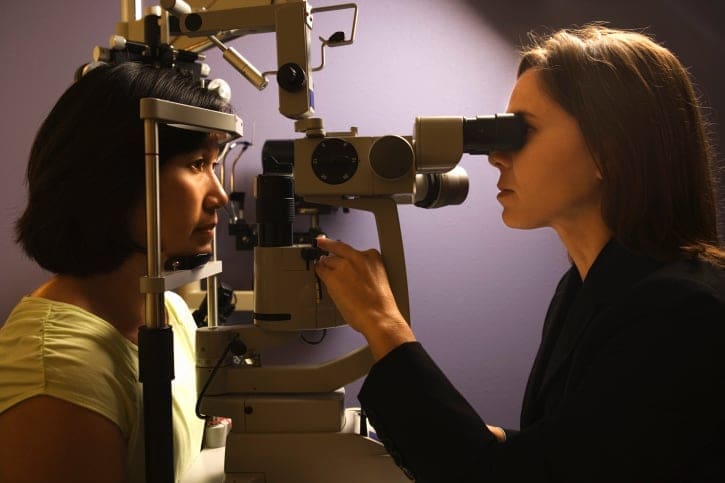
At Liberty Laser Eye Center, we go beyond a single issue. Our comprehensive eye exam includes detailed retinal imaging, visual field testing as needed, and a careful review of systemic health factors like homocysteine. Dr. Nancy Tanchel, a board-certified ophthalmologist who has performed over 30,000 procedures, leads our team in delivering personalized care. For patients seeking freedom from glasses and contacts, we offer Custom Bladeless LASIK, CATz Topography-Guided LASIK, Advanced PRK, and PresbyLASIK — all using FDA-approved, wavefront-optimized technology for razor-sharp outcomes. If your homocysteine journey reveals you are in the early stages of eye disease, stabilizing your retina now can make you a better candidate for vision correction surgery later, or help you maintain surgical results for a lifetime.
Our practice is conveniently located in Vienna, VA, serving Fairfax County and the entire Washington Metropolitan Area. We offer a comfortable office environment and a free shuttle from Dunn Loring Metro to make your visits effortless. We believe that protecting your vision is a partnership — we bring world-class surgical skill, and we help you bring optimized nutrition and lifestyle choices.
Your Next Step: A Comprehensive Vision Strategy
If you want to see clearly for decades to come, start with a simple blood test. Check your homocysteine, B12, and folate. Adjust your diet and supplement routine based on the results and your genetic makeup if known. Then, schedule a dilated eye exam to document your retinal and optic nerve health. At Liberty Laser Eye Center, we can coordinate that lab work and provide a thorough evaluation of your eyes, connecting the dots between nutrition, systemic wellness, and visual function. Call us at (571) 234-5678 to book your consultation. Our team will create a truly integrated plan that addresses homocysteine, preserves your retina, and if you desire, corrects your refractive error with the latest laser technology.
FAQs
Can lowering homocysteine really improve my vision if I already have macular degeneration?
While lowering homocysteine cannot reverse existing scarring from AMD, multiple studies show it can slow progression and reduce the risk of developing wet AMD in the fellow eye. In our practice, we have observed that patients who achieve homocysteine levels below 10 µmol/L often demonstrate stabilization of drusen and less frequent need for anti-VEGF injections over time.
How long does it take to lower homocysteine with diet and supplements?
We typically see a significant decrease — often 20–30% — within four to six weeks of consistent supplementation with L-methylfolate, methylcobalamin, and P5P, combined with a Mediterranean-style diet. We recheck levels at three months and adjust as needed.
Is there a connection between homocysteine and cataracts?
Some epidemiological evidence links high homocysteine to an increased risk of nuclear and posterior subcapsular cataracts, likely through oxidative lens damage. While we focus more on retinal and optic nerve health, keeping homocysteine low may confer an additional benefit for lens clarity.
Can I take a regular multivitamin instead of individual activated B vitamins?
Standard multivitamins often contain folic acid and cyanocobalamin, which are poorly converted in individuals with MTHFR variants. We find that switching to activated forms yields a more reliable drop in homocysteine. If a blood test shows your homocysteine is normal on a standard multi, there’s no need to switch, but if levels remain elevated, active forms are our go-to.
Does homocysteine affect LASIK or PRK outcomes?
Extremely high homocysteine could theoretically impair corneal endothelial cell function and wound healing, though direct outcome studies are lacking. We do not consider a normal-range homocysteine level a contraindication. At Liberty Laser Eye Center, we thoroughly evaluate corneal health and systemic factors before any refractive procedure to ensure safety and optimal healing.
What is the optimal homocysteine level for someone with a family history of glaucoma?
We aim for a level under 9 µmol/L for anyone with a strong glaucoma family history, as even mildly elevated homocysteine can compromise optic nerve head blood flow. Combined with regular intraocular pressure monitoring and OCT imaging, this gives the best protection.
Sources
-
National Institutes of Health Office of Dietary Supplements: Vitamin B12 Fact Sheet
-
National Institutes of Health Office of Dietary Supplements: Folate Fact Sheet
-
American Academy of Ophthalmology: The Role of Homocysteine in Retinal Disease
-
Huang, J. et al. “Homocysteine and Age-Related Macular Degeneration: A Systematic Review and Meta-Analysis.” American Journal of Ophthalmology, 2024
-
Christen, W.G. et al. “Plasma Homocysteine, B Vitamins, and the Risk of Age-Related Macular Degeneration.” Archives of Ophthalmology, 2009
-
Vesti, E.A. et al. “Hyperhomocysteinemia and Glaucoma: A Meta-Analysis.” Journal of Glaucoma, 2025
-
Liberty Laser Eye Center Patient Outcomes Data (internal)
People Also Ask
While no single fruit is a miracle cure, certain fruits are exceptionally beneficial for eye health due to their high content of vitamins and antioxidants. Blueberries, for example, are rich in anthocyanins, which may help reduce the risk of cataracts and age-related macular degeneration. Oranges and other citrus fruits provide abundant vitamin C, a key nutrient for maintaining the health of blood vessels in the eyes. At Liberty Laser Eye Center, we emphasize that a balanced diet rich in leafy greens and colorful fruits supports overall vision, but no fruit can replace regular comprehensive eye exams for monitoring eye health.
Elevated homocysteine levels can negatively impact eye health by damaging the delicate blood vessels in the retina. This condition, known as hyperhomocysteinemia, increases the risk of retinal vein occlusion, which can lead to vision loss. It may also contribute to the progression of diabetic retinopathy and age-related macular degeneration by promoting oxidative stress and inflammation. At Liberty Laser Eye Center, we emphasize the importance of routine eye exams to detect early signs of vascular issues. Maintaining a healthy diet rich in B vitamins, including folic acid, B6, and B12, can help regulate homocysteine levels. If you have concerns about your eye health, a comprehensive evaluation is essential for personalized management.
Yes, Hashimoto's thyroiditis can be linked to elevated homocysteine levels. This is often due to the autoimmune condition affecting thyroid function, which can disrupt the metabolism of B vitamins like B12, B6, and folate. When these nutrients are not properly processed, homocysteine, an amino acid, can accumulate in the blood. High homocysteine is a risk factor for cardiovascular issues and may also complicate eye health. At Liberty Laser Eye Center, we emphasize that managing systemic conditions like Hashimoto's is important for overall wellness, including vision. If you have concerns about homocysteine levels, consulting your primary care doctor for appropriate blood work and supplementation is recommended to support both thyroid and eye health.
Foods themselves do not contain high levels of homocysteine, as it is an amino acid produced by the body. However, a diet low in certain B vitamins can lead to elevated homocysteine levels. To manage this, focus on foods rich in folate, vitamin B6, and vitamin B12. Excellent sources include leafy green vegetables like spinach and kale, legumes such as lentils and chickpeas, fortified cereals, and citrus fruits. For vitamin B6, incorporate poultry, fish, and bananas. Vitamin B12 is abundant in animal products like eggs, dairy, and lean meats. At Liberty Laser Eye Center, we emphasize that a balanced diet supports overall health, including eye health. If you have concerns about homocysteine, consulting with a healthcare provider for personalized advice is recommended.
Hyperhomocysteinemia is a medical condition characterized by an abnormally high level of homocysteine in the blood. This condition is a known risk factor for vascular diseases, including retinal vein occlusion, which can threaten vision. Elevated homocysteine can damage the inner lining of blood vessels and promote blood clot formation. If you have this condition, it is important to manage it through proper nutrition, such as increasing intake of folic acid, vitamin B6, and vitamin B12. At Liberty Laser Eye Center, we consider systemic health factors like hyperhomocysteinemia during comprehensive eye exams to help protect your long-term vision. Always consult with your primary care physician for a full medical evaluation and treatment plan.
High homocysteine levels often do not cause immediate symptoms, but over time, elevated levels can contribute to serious health issues. Common signs may include fatigue, weakness, and a pale complexion, similar to vitamin B12 or folate deficiency. More specific symptoms can involve vision problems, including damage to the optic nerve, which may lead to vision loss if untreated. Elevated homocysteine is also linked to an increased risk of blood clots, which can cause deep vein thrombosis or stroke. For eye health, this condition can affect the small blood vessels in the retina, potentially leading to retinal vein occlusion. At Liberty Laser Eye Center, we recommend routine eye exams to detect such vascular changes early. Managing homocysteine through diet and supplements is crucial for overall wellness.