
Let’s Get Real About Laser Vision Correction: Your No-Nonsense Guide
Alright, let’s have a chat. You’re here because the idea of ditching glasses and contacts has crossed your mind more than once. Maybe you’re sick of the morning scramble for your specs, or you’re tired of packing solutions for every trip. We get it. We’ve listened to those same frustrations for years right here in Vienna, Virginia. So, let’s cut through the noise and talk frankly about laser eye surgery—what it is, what it isn’t, and how to know if it’s your next smart move.
Your Eyes Are Not All The Same (And Thank Goodness For That)
First, a fundamental truth we preach at Liberty Laser Eye Center: a one-size-fits-all approach is for socks, not for your vision. The term “Lasik eye surgery” has become a catch-all, but it’s just one star in a whole constellation of procedures. Your prescription is as unique as your fingerprint, and thankfully, technology has kept pace.
Think of it like this: we have a sophisticated toolbox now. The right tool depends on the job. Are we correcting nearsightedness, farsightedness, astigmatism, or the frustrating presbyopia that hits in our 40s? Each condition has its own nuances. That’s why a comprehensive evaluation is non-negotiable. It’s the step where we move from “I want laser eye surgery” to “Here’s the procedure that aligns perfectly with your biology.”
The Modern Menu: It’s More Than Just LASIK
Gone are the days of just one option. Let’s break down some of the advanced techniques that allow us to tailor your treatment. This isn’t just textbook stuff; it’s what we use every day to match the right solution to the right person.
- Wavefront Analysis: This is like getting a 3D topographic map of your eye’s unique visual imperfections—even ones a standard test misses. Guiding treatment with this map often means sharper, clearer quality of vision than standard methods. It’s a game-changer for many.
- Topography-Guided LASIK Surgery: If astigmatism is your main foe, or you have irregular corneas, this is often our hero. It uses detailed corneal mapping to guide the laser with insane precision, smoothing out those irregularities for a smoother visual outcome.
- Advanced PRK Surgery: LASIK’s brilliant cousin. Instead of creating a corneal flap, we gently remove the very surface layer. It’s fantastic for patients with thinner corneas or more active lifestyles (think martial arts, military). The Lasik recovery is a bit longer, but the long-term strength of the cornea is a huge plus.
- PresbyLASIK Surgery: Hit the “over-40” wall where your arms aren’t long enough to read a menu? This clever approach can give you blended vision—one eye optimized for distance, the other for near tasks. Your brain blends them, and suddenly, you’re reading your phone without readers. Magic? Nope, just smart technology.
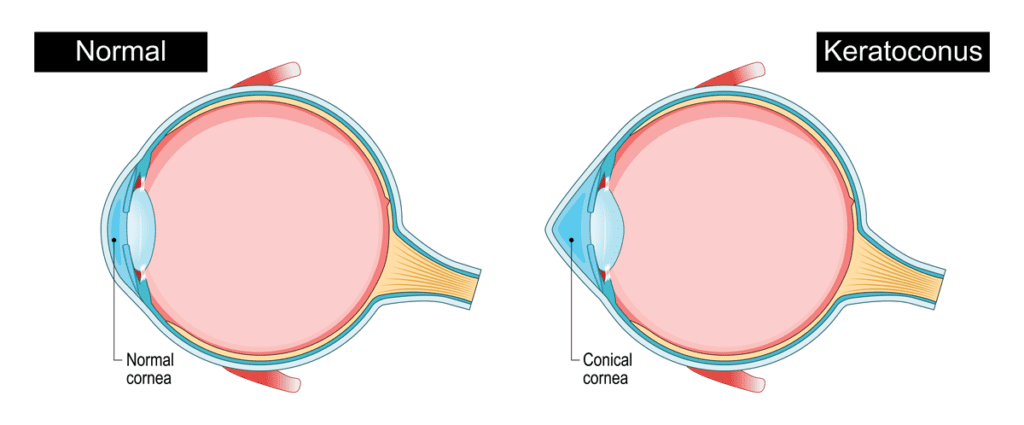
And it doesn’t stop at vision correction. We also address underlying conditions to ensure your eye health is solid for the long haul. Procedures like Corneal Cross-Linking to halt Keratoconus, or various Dry Eye Treatment protocols, are often critical parts of the conversation. Healthy eyes are happy eyes, and happy eyes get the best results.
The “Who, How, and How Much” You’re Actually Thinking About
Let’s tackle the big practical questions. These are the ones that keep people scrolling through pages of search results for “best Lasik surgeon” or “Lasik eye surgeons near me.”
Finding Your Surgeon: Skip the Guesswork
Look, anyone can buy a fancy laser. The true differentiator is the surgeon’s expertise and the depth of the consultation. You’re not shopping for a commodity; you’re choosing a medical professional. When you read reviews, look for consistent mentions of thoroughness, patience, and a willingness to say “no” if a procedure isn’t right. That’s integrity.
We’re proud that folks from across Washington DC, Maryland, and Virginia make their way to our center in Vienna. They come for the technology, but they stay for the candid, no-pressure advice. Finding the closest clinic isn’t always as important as finding the right fit. IMO, your Annual Eye Exam is the perfect time to start this conversation with your optometrist, too—they often give great referrals.
Demystifying Cost: An Investment, Not Just a Price Tag
We have to say it: if a quote seems too good to be true, it probably is. The cost of laser vision correction reflects the technology, the surgeon’s skill, and the comprehensive care that surrounds the 10-minute procedure. We believe in transparent, affordable pricing that bundles all your pre-and post-op care. You deserve to know what you’re investing in, with no hidden fees. FYI, “cheapest” and “best value” are rarely the same thing in medical care.
The Success Rate Story
We love talking about success rate numbers because they’re genuinely impressive. Modern laser vision correction boasts incredibly high rates of patients achieving 20/20 vision or better. But let’s be real: “success” also means managing expectations. It means crystal-clear distance vision for driving and sports, though you might still need occasional readers for fine print later in life. It’s about freedom, not necessarily perfection.
Your Quick-Reference Guide: Eye Surgery Types at a Glance
| Procedure | Best For… | The Basic Idea | Recovery Speed |
|---|---|---|---|
| LASIK | Most common nearsighted, farsighted, & astigmatism cases. | Creates a thin corneal flap, reshapes tissue underneath, flap is repositioned. | Very Fast (24-48 hrs) |
| Advanced PRK | Thinner corneas, certain occupations/hobbies, some corneal irregularities. | Removes the surface skin cells (epithelium) to reshape the cornea; no flap. | Moderate (3-5 days) |
| SMILE | Moderate nearsightedness with astigmatism. | Creates a small, lens-shaped piece of tissue removed through a tiny incision. | Fast (a few days) |
| PresbyLASIK | Presbyopia (age-related near vision loss), often with other refractive errors. | Uses laser to create a multifocal corneal shape for blended near/distance vision. | Fast (similar to LASIK) |
The Not-So-Secret Sauce: It’s All About The Consultation
Here’s the personal, from-the-trenches anecdote: the most excited patients we see are the ones who felt completely informed and unpressured after their consultation. This isn’t a sales pitch; it’s a discovery process. We run a battery of tests—over two dozen—to gather all the facts about your corneal thickness, pupil size, moisture levels, and prescription stability.
This is where we answer: Are you a candidate? If so, for which procedure? What are the realistic outcomes for you? Sometimes, the answer is to wait, or to treat a dry eye issue first. That honesty is what builds trust. It’s why we encourage anyone in the Washington DC area curious about their options to just come in for a chat. It’s the only way to get a true, personalized answer.
Your Top Questions, Answered Without the Jargon
- Does it hurt? During the procedure? Almost never. We use numbing drops. You might feel some pressure. Afterward, expect some irritation, watering, or a gritty feeling for a few hours (especially with PRK). It’s manageable, and we’ll give you all the tips and drops to get through it.
- How long does the results last? The corneal reshaping is permanent. However, your eyes can still age. Presbyopia will still happen in your 40s, and cataracts will develop later in life (laser surgery doesn’t prevent this). But the correction for your original prescription is long-lasting.
- What are the risks? As with any surgery, risks exist—infection, over/under-correction, glare, or halos. The key is that with advanced screening and technology, serious complications are extremely rare. A huge part of our job is identifying risk factors ahead of time to minimize them.
- When will I see clearly? With LASIK, many people see clearly by the very next morning. With PRK, vision improves over several days to a week. Either way, you’ll need to take it easy on screens and avoid rubbing your eyes for a bit.
Wrapping This Chat Up
So, where does this leave us? Hopefully, with a clearer picture (pun intended) that laser vision correction in 2024 is a highly personalized, incredibly precise field. It’s not a gamble; it’s a data-driven decision.
The journey starts with curiosity and ends with confidence. And that confidence comes from education and a trusted partner. If you’re in Virginia, Maryland, or DC and you’re tired of wondering, the best next step is a conversation. Let’s look at your unique eyes together, review all the data, and see what makes sense.
We’re here in Vienna, Virginia at Liberty Laser Eye Center to be that resource for you. Why not give us a call or book a consultation? After all, the only thing you have to lose is your dependency on those glasses :). Let’s see what’s possible.
People Also Ask
The unspoken rules of Appalachia are deeply rooted in a culture of self-reliance, community, and respect for the land and its history. A central tenet is a strong sense of privacy and quiet dignity; people value their independence and often help neighbors without being asked or expecting public recognition. Directness can be perceived as rudeness, so communication is often subtle and relies on context. There is a profound respect for elders and local traditions, and an expectation that outsiders show humility and a willingness to listen rather than judge. Perhaps most importantly, your word is your bond; trust is built through consistent actions over time, not just promises. This creates a tight-knit social fabric where reputation is everything.
Hikers often eat gummy bears as a convenient, quick-energy carbohydrate source. During strenuous activity, the body rapidly depletes its glycogen stores, and simple sugars from candies like gummy bears provide a fast metabolic boost to help maintain energy levels and delay fatigue. They are lightweight, non-perishable, easy to consume on the move, and can offer a psychological lift due to their sweet taste. For optimal performance, many hikers pair such quick sugars with more complex carbohydrates, proteins, and fats from other trail foods to ensure sustained energy release and proper nutrition throughout their trek.
The average person takes approximately five to seven months to complete a thru-hike of the entire Appalachian Trail, which spans about 2,190 miles from Georgia to Maine. This timeframe accounts for the immense physical challenge, variable weather, and necessary rest days. Most hikers aim for an average of 10 to 15 miles per day, but pace varies dramatically with terrain, fitness, and experience. Successful completion requires meticulous planning for resupply points and a significant time commitment. It is a monumental physical and mental undertaking, with only about one in four who attempt a thru-hike reaching the finish. Proper preparation is absolutely essential for such an endurance feat.
The Appalachian Trail is a marked hiking route spanning approximately 2,190 miles across 14 eastern U.S. states, from Georgia to Maine. For navigation, hikers rely on a combination of physical maps, guidebooks, and digital resources. The official map source is the Appalachian Trail Conservancy (ATC), which publishes detailed topographic maps and guides. These are often used in conjunction with the A.T. Thru-Hiker's Companion for logistical information. In the digital age, many hikers supplement with GPS apps like Guthook Guides (now FarOut) which provide real-time location tracking and crowd-sourced updates on water sources and shelters. It is considered standard practice to carry physical maps as a backup to electronic devices, ensuring safety in remote areas with poor signal.
Section hiking the Appalachian Trail involves tackling the 2,190+ mile footpath in segments over multiple trips, rather than in one continuous thru-hike. This approach allows individuals with limited time or different fitness levels to experience the trail's diverse landscapes, from Georgia's Springer Mountain to Maine's Mount Katahdin. Successful section hiking requires meticulous planning: choose manageable sections, secure necessary permits, and schedule around seasonal weather. Invest in durable, lightweight gear and focus on logistics like transportation to and from trailheads. Embrace the journey's flexibility, allowing you to deeply appreciate each region's unique ecology and trail community at your own pace.
Hiking the Appalachian Trail alone is a significant undertaking that requires thorough preparation and respect for its challenges. Solo hikers must prioritize safety by informing others of their itinerary, carrying reliable communication devices like a satellite messenger, and understanding basic wilderness first aid. Physical conditioning and lightweight gear are essential due to the trail's demanding terrain and length. While solitude offers profound personal rewards, it increases self-reliance; you are solely responsible for navigation, weather decisions, and managing risks like wildlife encounters. Many recommend starting with shorter solo sections to build experience. Joining a trail community, even while hiking independently, can provide crucial support and camaraderie at shelters and resupply points.