Can You Really Get LASIK After Cataract Surgery? Let’s Settle This.
Okay, let’s cut to the chase. You’ve had cataract surgery – congrats on ditching those cloudy lenses! But now… maybe things aren’t quite as crystal clear as you hoped? Or maybe you’ve still got those old glasses hanging around? And suddenly, a thought pops up: “Hey, what about LASIK?” It’s a fantastic question, and honestly, we get it asked all the time here at Liberty Laser Eye Center in Vienna, Virginia. So, let’s grab a virtual coffee and chat honestly about whether LASIK post-cataract surgery is a smart move, a maybe, or a hard no.
The Basics: Cataract Surgery & LASIK – Totally Different Ballgames
First things first, let’s clarify what we’re dealing with. Cataract surgery? That’s all about removing your eye’s natural, cloudy lens (the cataract) and popping in a shiny new artificial one (an intraocular lens, or IOL). It’s brilliant for restoring vision lost to cloudiness. LASIK eye surgery, on the other hand? That’s a laser eye surgery superstar designed to correct refractive errors like nearsightedness (myopia), farsightedness (hyperopia), and astigmatism by reshaping your cornea – the clear front window of the eye. Different targets, different tools!
Here’s a quick comparison to keep things straight:
| Feature | Cataract Surgery | LASIK Surgery |
|---|---|---|
| Primary Goal | Remove cloudy lens, restore clarity | Correct refractive errors (nearsightedness, farsightedness, astigmatism) |
| What’s Changed | Natural lens replaced with artificial IOL | Cornea reshaped with laser |
| Main Issues Addressed | Cloudy vision from cataracts | Blurry vision from refractive errors |
| Recovery Time | Several weeks for full stabilization | Typically a few days |
| Best Candidates | Those with significant cataracts affecting vision | Those with stable refractive errors and healthy eyes |
So, Can You Actually Get LASIK After Cataract Surgery? The Real Deal
The short, sweet answer? Yes, absolutely, it’s often possible! But (you knew there was a ‘but’, right?) it’s not an automatic green light for everyone. It boils down to why you’d want it and if your eyes are ready for it. Think of it like this: your cataract surgeon gave you back clear vision by replacing the lens. LASIK eye surgery would be like fine-tuning the focus on that new lens system by adjusting the cornea. Pretty cool, huh?
Why Would You Even Want LASIK After Cataracts?
Fair question! If cataract surgery is supposed to fix vision, why the need for more? Well, life isn’t always perfect. Sometimes, even with a fancy new IOL, you might still have:
- Residual Refractive Error: Maybe you’re still a bit near sighted, farsighted, or have astigmatism leftover after the IOL is placed. Glasses or contacts might still be needed for sharp vision at certain distances.
- The Presbyopia Puzzle: Ah, Presbyopia – the lovely “over-40” club membership where reading menus becomes a challenge. While some IOLs (like multifocals or accommodating lenses) try to tackle this, they don’t work perfectly for everyone. LASIK (or specifically PresbyLASIK Surgery) can sometimes be used to tweak one eye for better near vision, creating a “monovision” effect.
- IOL Calculation Quirks: Surprise! Sometimes, despite our surgeons’ best efforts and fancy calculations, the power of the implanted IOL isn’t exactly right. LASIK can be a less invasive way to correct this small discrepancy than swapping out the IOL itself.
Hold Up: When LASIK After Cataracts Might Not Be the Answer
It’s not all sunshine and rainbows. There are legit reasons why LASIK might not be recommended:
- Unstable Vision: Your vision needs to be stable after cataract surgery. Jumping into LASIK too soon is like trying to paint a moving car – pointless and messy. We typically wait at least 3 months, often longer, to ensure everything is settled.
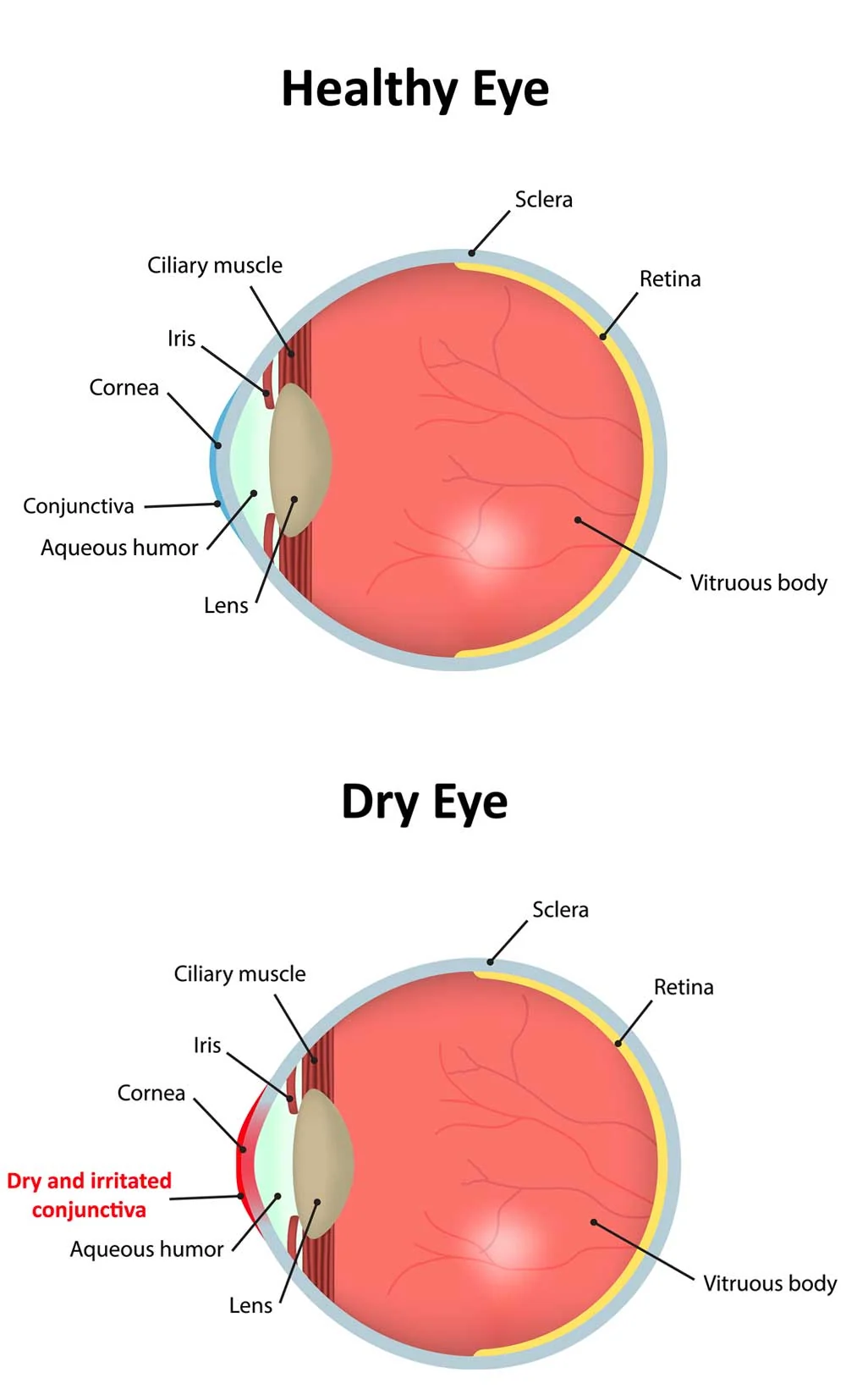
- Dry Eye Drama: Cataract surgery can sometimes worsen dry eye symptoms. LASIK recovery can also cause temporary dryness. Combining them when dry eye is already a problem? That’s asking for trouble. Dry Eye Treatment needs to get things under control first.
- Corneal Concerns: LASIK requires a healthy, thick enough cornea. Conditions like Keratoconus (a thinning, bulging cornea) are absolute no-gos for LASIK. Sometimes, advanced techniques like Corneal Cross-Linking might be needed to stabilize the cornea first, but LASIK itself would likely be off the table.
- Retinal Issues or Other Eye Problems: Any underlying issues like macular degeneration, severe glaucoma, or inflammation need to be well-managed or ruled out as complicating factors.
Beyond LASIK: Other Ways to Fine-Tune Post-Cataract Vision
LASIK isn’t the only player in town! Depending on your situation, other options might be better:
- Advanced PRK Surgery: Similar outcome to LASIK, but instead of creating a corneal flap, the laser works directly on the surface. Great for thinner corneas or certain corneal shapes. Recovery is a bit longer, but hey, sometimes it’s the perfect fit.
- IOL Exchange: If the power is way off, sometimes swapping the IOL for a different power is the most straightforward solution. It involves another intraocular surgery, though.
- Piggyback IOL: Placing a second, supplementary IOL lens in front of the first one to adjust the power. Another surgical option.
- Good Ol’ Glasses/Contacts: Sometimes, the simplest solution is the best, especially if the residual prescription is mild.
The Evaluation: No Guesswork, Just Precision
Thinking about this? Step one is a comprehensive evaluation. This isn’t your standard Annual Eye Exam. At Liberty Laser Eye Center, near Washington DC, we dive deep with:
- Wavefront Analysis: Maps the unique imperfections in your optical system – way beyond a standard glasses prescription.
- Topography-Guided LASIK Surgery Planning: Creates a detailed 3D map of your cornea’s surface, crucial for planning a safe and effective treatment, especially after previous surgery.
- Corneal Thickness Measurement (Pachymetry): Non-negotiable to ensure you have enough tissue for LASIK.
- Dry Eye Assessment: We’ll check your tear film thoroughly – no one wants miserable dry eyes post-op!
- Dilation and Retinal Check: Making sure the back of your eye is healthy and happy.
This battery of tests tells us definitively if you’re a candidate and which eye surgery types (LASIK, PRK, or something else) might be your best bet. Finding the best Lasik surgeon means finding someone who does this level of thoroughness, every single time.
Why Liberty Laser Eye Center? Your Virginia Vision Partners
Okay, time for a little humble brag from your friendly neighborhood experts in Vienna, VA. Why do folks from across Washington DC and beyond come to us for post-cataract vision correction?
- We Speak “Post-Cataract”: This isn’t our first rodeo. We understand the unique considerations and measurements needed after you’ve had an IOL implanted. It requires specific expertise.
- Cutting-Edge Tech: We invest in the latest technology, like Topography-Guided LASIK and advanced Wavefront Analysis, because guesswork isn’t part of our vocabulary. Precision matters.
- No Pressure, Just Honesty: Seriously. We’ll give you the straight facts. If LASIK isn’t right for you, we’ll tell you why and discuss alternatives. Our reputation, built on genuine patient reviews, is everything.
- Transparency: We talk openly about success rate expectations, potential risks, Lasik recovery timelines, and cost. We believe in affordable access to great vision, offering clear financing options. No hidden fees, no surprises.
- Top-Tier Surgeons: Our Lasik doctors and Lasik eye surgeons are highly experienced refractive specialists. You’re in skilled hands.
FAQs: Your Burning Questions, Answered
-
“How long after cataract surgery can I get LASIK?”
We typically recommend waiting at least 3-6 months. This gives your eye ample time to heal fully, any inflammation to settle down, your vision to stabilize, and your IOL to find its permanent position. Rushing it is a bad idea. Patience pays off. -
“Is LASIK after cataract surgery as successful as regular LASIK?”
The success rate is generally very high when performed on appropriate candidates! The key is that thorough pre-op evaluation we keep harping on about. Correcting residual refractive errors with modern LASIK technology in a healthy, stable post-cataract eye can yield fantastic results. IMO, it’s often life-changing for the right person. -
“What about cost? Is it more expensive?”
The price for LASIK after cataract surgery is generally similar to standard LASIK, as the core procedure is the same. However, the pre-operative testing might be slightly more comprehensive. We’ll give you a clear breakdown during your consultation at Liberty Laser Eye Center. FYI – investing in ditching glasses often feels priceless! -
“Could LASIK mess up my new cataract lens (IOL)?”
This is a super common concern! Rest easy. The LASIK laser works solely on the cornea, the very front surface of your eye. Your IOL sits way behind that, safely tucked inside the lens capsule. The procedures don’t interfere with each other physically. The main risks are the standard LASIK risks (like infection or dry eye), not harming the IOL.
Wrapping It Up: Your Vision, Your Choice
So, can you get LASIK after cataract surgery? Yes, it’s definitely an option for many people who have stable vision but still deal with pesky refractive errors or presbyopia after their IOL is in place. It’s not automatic – your eye health, corneal condition, and specific situation need careful assessment by experts. But when the stars align? It can be the final step to achieving that crisp, glasses-free vision you were hoping for all along.
Don’t guess about your eyes. If you’re in the Washington DC area – whether you’re Googling “Lasik eye surgery near me” or “best Lasik surgeon closest to Vienna” – the smart move is to get a personalized evaluation. The team at Liberty Laser Eye Center in Vienna, Virginia is here to give you the straight talk, the cutting-edge tech, and the expertise you deserve. Why keep wondering? Give us a call or visit our website to schedule your consultation. Let’s figure out if LASIK is your ticket to visual freedom, post-cataract style. Your clearer future might be closer than you think!
Related Articles
People Also Ask
Cataract surgery replaces your clouded natural lens with a clear artificial one, so the "cataract" itself cannot return. However, some patients later experience blurred vision from a condition called posterior capsule opacification (PCO), often called a "secondary cataract." This is easily treated with a quick, painless laser procedure called a YAG laser capsulotomy. To maintain optimal vision after surgery, follow all post-operative care instructions, use prescribed eye drops to prevent inflammation and infection, and attend all follow-up appointments. Protect your eyes from UV light with quality sunglasses, maintain a healthy diet rich in antioxidants, and manage underlying conditions like diabetes. Regular comprehensive eye exams are essential for monitoring overall eye health.
Several factors can disqualify someone from LASIK surgery. Common disqualifiers include having an unstable vision prescription that has changed within the last year, being under the age of 18, or having certain autoimmune diseases like rheumatoid arthritis that can impair healing. Other significant barriers are conditions that affect corneal health, such as keratoconus, severe dry eye syndrome, or an excessively thin cornea. Additionally, pregnant or nursing women are typically advised to postpone the procedure due to hormonal fluctuations that can temporarily alter vision. For a more detailed look at eligibility, including some surprising factors that might qualify or disqualify you, we recommend reading our internal article Are You A Candidate? Surprising LASIK Eligibility Factors. A comprehensive consultation with an experienced surgeon is the only way to determine your true candidacy.
Insurance coverage for LASIK after cataract surgery is complex and varies significantly. Typically, standard health insurance and Medicare do not cover LASIK, as it is considered an elective refractive procedure. However, if there is a documented medical necessity, such as a significant refractive error caused by the cataract surgery itself that cannot be corrected with standard methods, there might be exceptions. It is crucial to have a detailed discussion with both your ophthalmologist and insurance provider. They can review your specific policy, the reasons for the LASIK procedure, and any potential for coverage based on medical need rather than cosmetic vision correction.
Yes, it is quite common and often part of the planned treatment. Cataract surgery involves removing the cloudy natural lens and replacing it with a clear artificial intraocular lens (IOL). However, over time, a condition called posterior capsule opacification (PCO) can occur, where the membrane behind the new lens becomes cloudy. This is sometimes called a "secondary cataract." A quick, painless laser procedure called YAG laser capsulotomy is the standard treatment to clear this membrane and restore vision. It is a routine follow-up procedure, not a complication of the initial surgery, and is considered a normal part of the long-term management for many patients.
The cost of LASIK after cataract surgery is highly variable and typically not covered by insurance, as it is considered an elective refractive procedure. Following cataract surgery, a patient may have residual refractive error, and LASIK can be an option to reduce dependence on glasses. The average cost in the United States often ranges from $2,000 to $3,000 per eye, but this can fluctuate based on geographic location, the surgeon's expertise, and the technology used. It is crucial to have a comprehensive consultation to ensure the eye is fully healed from the initial surgery and is a suitable candidate. This evaluation will determine the precise cost and whether other enhancements might be more appropriate.
Cataract surgery involves removing the cloudy natural lens and replacing it with a clear artificial intraocular lens (IOL). While this restores clarity, the IOL's power is calculated for a specific focal point, often for distance vision. If the calculation is slightly off or if you have significant astigmatism, you may still require glasses for sharp vision at all distances. LASIK or another laser vision correction procedure like PRK can then be used as a refinement or enhancement surgery. It precisely reshapes the cornea to correct residual refractive errors such as nearsightedness, farsightedness, or astigmatism, reducing dependence on glasses. This two-step approach is a common standard of care for achieving the best possible uncorrected vision, especially with premium IOLs like toric or multifocal lenses where precise outcomes are critical. Not every patient needs it, but it is a valuable option for fine-tuning results.
Yes, you can have corrective eye surgery after cataract surgery, but it requires careful evaluation and planning. The most common scenario is a procedure called a refractive lens exchange enhancement or a laser vision correction surgery like LASIK or PRK. This is considered when there is a residual refractive error—such as nearsightedness, farsightedness, or astigmatism—after the initial cataract surgery with an intraocular lens (IOL) implant. The eye must be fully healed, typically waiting at least three months, and stable. A comprehensive assessment by your ophthalmologist is crucial to ensure the cornea is healthy, the IOL is properly positioned, and there are no other issues like macular edema. This secondary procedure can fine-tune vision, often reducing dependence on glasses, but it carries its own risks and is not suitable for everyone.