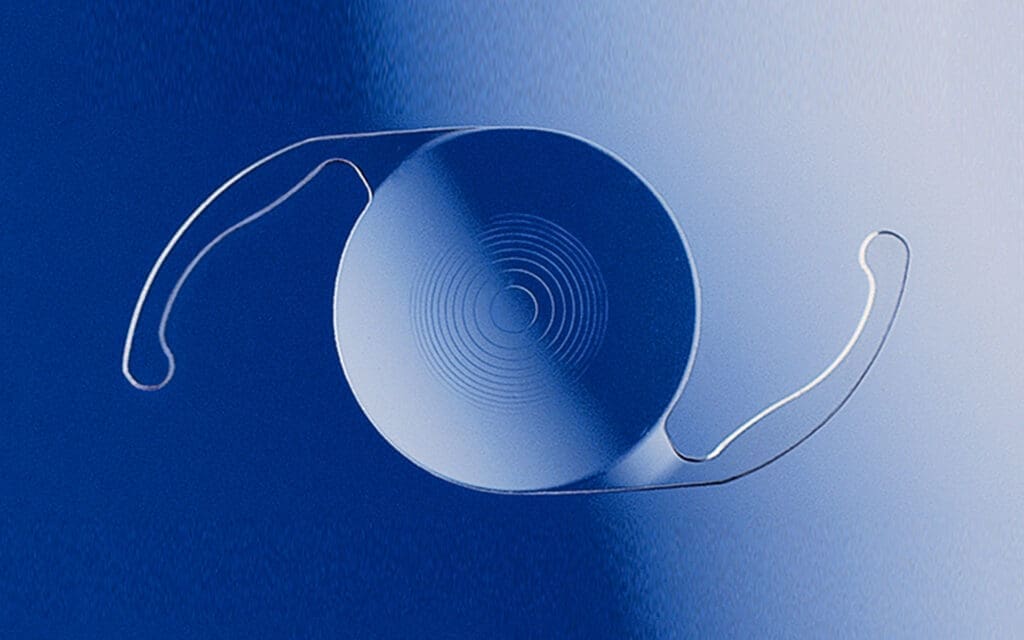

Laser eye surgery directly enhances athletic performance by eliminating physical obstacles like fogged glasses, dislodged contact lenses, and restricted peripheral vision, while optimizing critical visual factors such as contrast sensitivity and depth perception. For competitive and recreational athletes across Northern Virginia, advanced procedures—including Topography-Guided LASIK, Photorefractive Keratectomy (PRK), and PresbyLASIK—provide customized vision correction aligned with specific athletic demands.
According to data evaluated by the American Refractive Surgery Council, over 99% of LASIK patients achieve at least 20/40 visual acuity, with over 90% reaching 20/20 or better. At Liberty Laser Eye Center in Vienna, Virginia, specialized diagnostic mapping aligns these clinical outcomes with the high-performance demands of local athletes, delivering faster reaction times, superior spatial awareness, and permanent freedom from corrective eyewear.
Table of Contents
The Science of Visual Performance in Athletics
Vision is the primary sensory driver of athletic execution. Beyond simple static visual acuity (the ability to read a standard eye chart at rest), sports performance relies heavily on dynamic, multi-dimensional visual processing systems.
When corrective lenses like contacts or glasses intervene, they introduce subtle distortions, glare, visual field restrictions, and mechanical risks. Laser vision correction reshapes the cornea to fix underlying refractive errors—myopia, hyperopia, and astigmatism—ensuring light focuses directly onto the retina with maximum fidelity.
Key Visual Factors Enhanced by Laser Vision Correction
-
Dynamic Visual Acuity: The capacity to track fast-moving targets (such as a baseball, tennis ball, or hockey puck) clearly while the athlete or the object is in motion.
-
Depth Perception and Stereopsis: Accurate spatial judgment required to calculate distances between players, court boundaries, or incoming objects, essential for timing and precision.
-
Contrast Sensitivity: The visual capacity to distinguish an object from its background under adverse lighting conditions, such as playing under night stadium lights, in glaring sunlight, or through misty terrain.
-
Peripheral Field of View: Unobstructed visual perception across the entire horizontal and vertical fields, free from the physical borders of spectacle frames or the movement boundaries of contact lenses.
-
Spatial Reaction Time: The speed at which the central nervous system processes visual inputs and initiates a physical motor response—where a reduction of even 10 milliseconds can alter competitive outcomes.
Comparative Breakdown: Laser Eye Surgery Options for Northern Virginia Athletes
Selecting the appropriate vision correction technique depends on the specific sport, corneal anatomy, and contact risk profile of the individual athlete.
The following table compares the primary laser vision correction procedures offered at Liberty Laser Eye Center:
| Procedure Type | Primary Surgical Technique | Flap Creation | Visual Recovery Speed | Best Suited Athletic Profiles |
| Topography-Guided LASIK | Custom laser reshaping using microscopic corneal topography mapping | Yes (Thin corneal flap created) | Rapid (12 to 24 hours) | Precision & High-Velocity Sports (Golf, Tennis, Shooting, Baseball, Cycling) |
| Advanced PRK (Photorefractive Keratectomy) | Surface ablation of corneal epithelium without sub-surface flap creation | No (Flap-free procedure) | Gradual (3 to 7 days) | High-Impact & Combat Sports (Martial Arts, Boxing, Football, Rugby, Basketball) |
| PresbyLASIK / Blended Vision | Multi-focal corneal reshaping correcting distance in one eye, near in the other | Yes | Fast (24 to 48 hours) | Masters Athletes, Endurance Runners, Coaches, Golfers needing scorecard readability |
Matching Your Sport to the Right Laser Vision Procedure
Different sports present unique environmental and physical challenges. Customizing the laser procedure to the operational reality of the sport ensures optimal safety and performance.
Contact and Combat Sports: The PRK Advantage
Athletes participating in high-impact or full-contact discipline—such as mixed martial arts, boxing, wrestling, football, and soccer—face an elevated risk of direct facial trauma.
-
Corneal Integrity: Standard LASIK involves creating a microscopic corneal flap. Direct force to the eye area can, in rare instances, cause flap displacement.
-
Flap-Free Healing: Advanced PRK removes the outer epithelial layer without creating a flap. Once the tissue regenerates, the overall structural integrity of the cornea remains uncompromised.
-
Long-Term Durability: PRK delivers identical long-term visual acuity to LASIK while eliminating any risk of flap-related trauma during intense competition.
Precision and High-Velocity Sports: Topography-Guided LASIK
For athletes competing in golf, archery, target shooting, tennis, or motorsport, visual micro-irregularities can dramatically affect output.
-
Custom Map Precision: Topography-guided systems measure thousands of unique elevation points on the individual cornea, correcting microscopic higher-order aberrations.
-
Enhanced Sharpness: According to guidelines from the U.S. Food and Drug Administration, modern topography-guided custom laser systems frequently produce visual acuity better than 20/20, improving target tracking and green-reading accuracy.
-
Rapid Recovery: High-velocity athletes often return to light practice within 24 to 48 hours following treatment.
Water and Endurance Sports: Environmental Protection
Swimmers, triathletes, rowers, and marathon runners frequently contend with environmental hazards that severely impact contact lens wearers.
-
Infection Risk: Wearing contact lenses in open water, pools, or high-humidity environments significantly increases susceptibility to bacterial and amoebic keratitis.
-
Dehydration and Dust: Distance runners in Northern Virginia often suffer from dry, irritation-prone eyes caused by airborne pollen, dust, and wind along routes like the W&OD Trail.
-
Permanent Elimination: Laser vision correction removes the necessity of contacts entirely, resolving dryness, dust trap issues, and waterborne pathogens.
Recovery Timelines: When Can You Return to Training in Northern Virginia?
Resuming physical activity safely requires a structured, post-operative protocol to protect the healing corneal tissue.
General Athletic Post-Operative Progression
-
Day 1 to Day 2 Post-Op: Rest period. Light walking allowed; avoid sweat running into the eyes.
-
Day 3 to Day 7 Post-Op: Non-contact cardiovascular work allowed (stationary bike, treadmill). Protective eyewear recommended outdoors.
-
Week 2 Post-Op: Weightlifting and moderate individual sport drills may resume. Avoid rubbing the eyes.
-
Week 4 Post-Op: Full clearance for swimming, water sports, and intense high-impact activity (upon physician clearance).
Why Northern Virginia Athletes Choose Liberty Laser Eye Center
Located conveniently in Vienna, Virginia, Liberty Laser Eye Center serves athletes across Northern Virginia, Washington D.C., and Maryland. The clinic prioritizes advanced diagnostic protocols specifically designed to evaluate athletic eye usage, environmental exposures, and visual acuity demands.
-
Advanced Topography Technology: Utilizing state-of-the-art diagnostic mapping systems to detect and correct subtle corneal aberrations that standard prescriptions miss.
-
Athlete-Centric Consultations: Consultations are tailored around your primary athletic pursuits, evaluating factors such as ball-tracking needs, light conditions, and impact risks.
-
Comprehensive Care Spectrum: Offering the full range of refractive procedures—including LASIK, PRK, and PresbyLASIK—ensuring unbiased medical recommendations based on personal anatomical suitability rather than a single procedure approach.
Frequently Asked Questions
Is PRK better than LASIK for contact sport athletes?
Yes. Advanced PRK is widely considered the preferred option for athletes involved in high-impact contact sports like martial arts, boxing, and football. Because PRK does not involve creating a corneal flap, it eliminates the risk of flap dislocation caused by sudden impact or facial trauma. The long-term visual acuity achieved by PRK matches that of LASIK.
How soon after LASIK or PRK can I resume swimming or outdoor sports in NOVA?
For swimming in pools, lakes, or open water, athletes must wait a minimum of two to four weeks following laser vision correction to ensure complete epithelial healing and prevent waterborne infections. Light outdoor activities like running or cycling can typically be resumed within a few days, provided protective eyewear is worn to guard against dust, pollen, and wind.
Can laser eye surgery improve my depth perception and reaction time?
Yes. Laser eye surgery corrects corneal refractive errors directly across the eye’s visual surface, offering a uniform, uninhibited visual field. Clinical guidance from the American Academy of Ophthalmology highlights how precise refractive correction optimizes binocular vision and stereopsis (depth perception), allowing the brain to process spatial relationships faster and reducing overall reaction times.
What visual success rate can athletes expect from modern laser vision correction?
Modern topography-guided laser vision procedures yield exceptionally high success rates. Nationally published clinical data indicates that over 99% of LASIK patients achieve 20/40 vision or better (the legal requirement for driving without lenses), while over 90% reach 20/20 vision or better. Many athletes report achieving visual sharpness superior to their prior vision with contacts or glasses.
How do environmental factors in Northern Virginia affect contact lenses versus laser surgery?
Northern Virginia experiences high seasonal allergen counts, varied outdoor humidity, and windy conditions across popular training grounds like the W&OD Trail and Great Falls. Contact lenses trap airborne allergens, pollen, and dust against the cornea, leading to dryness, inflammation, and dislodgement during competition. Laser eye surgery permanently eliminates contact lens reliance, offering consistent visual stability regardless of weather or regional environmental shifts.
People Also Ask
For athletes, the choice between PRK and LASIK depends on the specific sport and risk factors. PRK is often recommended for contact sports athletes because it does not create a corneal flap. This eliminates the risk of flap dislocation from a direct blow to the eye, which is a concern with LASIK. However, PRK involves a longer recovery period with initial discomfort. LASIK offers faster visual recovery and less immediate discomfort, making it attractive for athletes who need quick return to play. Ultimately, the best procedure is determined by your eye anatomy, sport, and lifestyle. For a deeper look at how these options impact performance, please refer to our article Athletes And LASIK: Performance Benefits Explained. At Liberty Laser Eye Center, we evaluate each athlete individually to recommend the safest, most effective option.
The cost of LASIK in Northern Virginia typically ranges from $1,500 to $3,000 per eye, depending on the technology used and the surgeon's experience. At Liberty Laser Eye Center, we emphasize that the true value lies in the quality of care and long-term results. A lower price may indicate outdated equipment or less comprehensive pre-screening. For a precise estimate tailored to your prescription, we recommend scheduling a consultation. For a detailed breakdown of what is included in your evaluation, please refer to our internal article titled Lasik Consultation at Lasik Eye Surgery | Liberty Laser Eye Center 2025. This resource explains the consultation process and how we determine candidacy, ensuring you understand every aspect of your investment in clear vision.
The regret rate for laser eye surgery is generally very low, with most large-scale studies reporting that approximately 95 to 98 percent of patients are satisfied with their results. This means that only about 2 to 5 percent of individuals express regret. Common reasons for regret include unmet expectations regarding night vision, dry eye symptoms, or the need for a future enhancement. It is important to understand that while serious complications are rare, no medical procedure is without risk. For a deeper look into this topic, we recommend reading our internal article titled Understanding The True Percentage Of LASIK Complications And Side Effects. At Liberty Laser Eye Center, we emphasize thorough pre-operative counseling to ensure patients have realistic expectations and a clear understanding of potential outcomes.