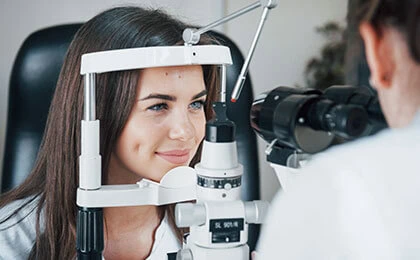

We routinely observe patients focus intensely on their pre-operative preparations while inadvertently overlooking how drastically their daily skincare routine must change following Laser-Assisted In Situ Keratomileusis (LASIK). The corneal tissue undergoes precise laser reshaping during the procedure, leaving a delicate surgical flap that requires an undisturbed microenvironment to heal, adhere, and re-epithelialize safely. Modern post-operative ocular care requires a disciplined, science-backed approach to topical product selection, cleansing technique, and periocular boundary management.
Table of Contents
Understanding Corneal Healing and Periocular Risk Dynamics
During primary LASIK, a femtosecond laser or mechanical microkeratome creates a thin flap in the anterior corneal stroma. While visual recovery often appears remarkably rapid within 24 to 48 hours, the corneal flap epithelium, basement membrane, and sub-basal nerve plexus remain highly vulnerable to micro-displacement, chemical toxicity, and bacterial inoculation for several weeks.
According to the American Academy of Ophthalmology recovery guidelines, avoiding ocular contamination and mechanical disturbance during early corneal re-epithelialization is essential to prevent flap complications and chronic dry eye syndrome. Furthermore, official documentation from the FDA guidance on post-operative care emphasizes that post-operative environmental exposure, including chemical irritants found in cosmetic products, directly impacts visual recovery times and corneal flap integrity. Clinical protocols from institutions like UCLA Health post-op care guidelines further reinforce strict periocular product restriction during early healing.
Key biological mechanisms driving periocular risk after LASIK include:
- Product Migration via Sebum and Blinking: Topical cleansers, moisturizers, and active serums migrate into the tear film via natural involuntary blinking, capillary action along lid margins, and cutaneous facial oil movement.
- Temporary Neurotrophic Dry Eye: Transection of the corneal nerve plexus temporarily reduces sensory feedback to the lacrimal gland, disrupting tear production and leaving the corneal surface fragile and easily inflamed by minor chemical exposure.
- Chemical Keratitis and Sterile Inflammation: Active cosmetic ingredients—including alpha-hydroxy acids (AHAs), beta-hydroxy acids (BHAs), topical retinoids, and L-ascorbic acid—can cross the flap edge interface, triggering acute chemical keratitis or sterile inflammatory reactions such as Diffuse Lamellar Keratitis (DLK).
- Mechanical Flap Displacement: Wiping, rubbing, or pulling the periocular skin during cosmetic application or cleansing introduces shear forces capable of causing micro-folds (striae) or full dislocation of the corneal flap.
Comprehensive Post-LASIK Skincare and Hygiene Schedule
To provide absolute clarity, we have organized the recovery phase into a structured clinical timeline detailing allowed activities, ingredient restrictions, and safety protocols.
| Recovery Phase | Allowed Facial Hygiene | Restricted Products & Ingredients | Facial Cleansing & Application Technique | Ocular Safety Rationale |
|---|---|---|---|---|
| Days 1 to 2 | Damp cloth wiping below cheekbones only | All cleansers, sunscreens, serums, moisturizers, eye creams, makeup | Squeeze excess water from cloth; pat lower face gently; no splashing | Prevents water-borne bacteria and surface-active agents from reaching unstable flap |
| Days 3 to 7 | Non-foaming, gentle cleansers below orbital rim; 100 percent mineral sunscreen | Exfoliants, foaming cleansers, eye creams, active serums, eye makeup | Apply cleanser with clean fingertips below cheeks; rinse using damp cloth without direct water stream | Avoids suds migration and volatile ingredient vapor from settling in tear film |
| Weeks 2 to 3 | Gentle moisturizers across full face; non-fragranced basic cleansers | Active retinoids, AHAs/BHAs, high-concentration vitamin C, waterproof makeup | Gentle patting motion; avoid rubbing or dragging skin around eyelids | Minimizes risk of chemical irritation while sub-basal nerves undergo early regeneration |
| Month 1 and Beyond | Gradual reintroduction of active serums and eye creams upon clearance | Expired or previously opened eye cosmetics; harsh physical scrubs | Normal application with soft contact around eye socket; avoid aggressive eyelid pulling | Ensures complete flap edge sealing and stable tear film baseline prior to potent active exposure |
Specific Skincare Protocols Across Healing Stages
The First 24 to 48 Hours: Absolute Periocular Protection
During the initial two days post-surgery, the corneal flap relies on osmotic endothelial suction forces to stay in position. Any fluid introduced to the upper face creates an immediate infection or flap disruption risk.
- Zero Ocular Water Exposure: Tap water carries pathogens such as Acanthamoeba and Pseudomonas. Do not allow tap water, face wash, or micellar water near the brow or upper cheeks.
- Sleep Shield Adherence: Wear prescribed protective eye goggles or clear shields during all sleep periods to prevent accidental friction from pillows or unconscious eye rubbing.
- Lower-Face Spot Cleansing: Cleanse the chin, mouth, and lower cheek areas exclusively using a soft washcloth moistened with distilled water, moving downward away from the eyes.
Days 3 to 7: Controlled Face Washing and Sun Protection
As early epithelial sealing begins, patients may expand their routine under strict physical constraints.
- Non-Foaming Cleanser Protocols: Avoid heavily foaming surfactants containing sodium lauryl sulfate (SLS). Suds generate airborne micro-bubbles that readily land on the ocular surface. Utilize cream-based, lipid-replenishing formulas applied strictly below the orbital bone.
- Mineral Sunscreen Application: Post-LASIK eyes experience transient photosensitivity. While sunglasses provide primary optical protection, facial skin requires UV protection. Utilize exclusively 100 percent mineral (zinc oxide or titanium dioxide) formulations. Chemical filters like avobenzone easily dissolve in sebum and sting healing corneas. Apply mineral SPF using a pressing motion, maintaining a minimum buffer zone of two centimeters from the lash line.
- Shower Hygiene Adjustments: Shower with your back turned directly toward the showerhead. Keep your face out of direct water sprays. Wash hair leaning backward, keeping eyelids closed tightly, and towel-dry the face by patting gently below the cheekbones.
Weeks 2 to 4: Safe Reintroduction of Active Ingredients and Cosmetics
Reintroducing active dermatological compounds demands caution, as cellular turnover acceleration can irritate sensitive corneal tissue.
- Topical Retinoids and Exfoliating Acids: Tretinoin, retinol, glycolic acid, and salicylic acid thin the stratum corneum and can cause micro-peeling particles to fall into the eye. Pause these products for at least 14 to 21 days. Reintroduce them gradually, avoiding the periocular quadrant entirely during initial resume.
- L-Ascorbic Acid (Vitamin C): Acidic formulations with low pH levels trigger sharp burning and localized conjunctival hyperemia if migrated. Maintain a minimum two-week pause for high-potency vitamin C serums.
- Eye Cosmetics and Tools: Defer mascara, eyeliner, and eyeshadow for at least 7 to 14 days. Dispose of all pre-existing liquid makeup and brushes used prior to surgery, as open containers host bacterial colonies like Staphylococcus epidermidis. Purchase fresh, hypoallergenic products and avoid applying product to the waterline.
Prescription Ophthalmic Drops and Skincare Interactions
Our clinical management frequently involves resolving conflicts between daily cosmetic habits and prescribed ophthalmic drop regimens. Post-LASIK recovery typically requires a combination of topical broad-spectrum antibiotics, topical corticosteroids, and preservative-free artificial tears.
Key rules for coordinating drops and skincare include:
- Strict Sequence Execution: Always instill prescribed antibiotic or steroid drops first onto a clean, bare face before applying any skincare products.
- The Ten-Minute Separation Window: Wait at least 10 minutes after instilling eye drops before applying facial moisturizers or sunscreens. Applying facial creams immediately after drops causes the cream to mix with excess tear overflow on the eyelid margins, drawing cosmetic chemicals back into the conjunctival sac upon blinking.
- Barrier Prevention: Heavy petroleum-based emollients or thick night creams applied to eyelids form an occlusive hydrophobic barrier over the meibomian gland orifices. This impairs natural lipid secretion into the tear film, exacerbating post-surgical dry eye symptoms and preventing artificial tear drops from spreading evenly across the cornea.
Real-World Clinical Case Examples and Resolutions
In our ophthalmic surgical practice, we routinely encounter complex post-operative issues caused by minor skincare oversights. Below are two real clinical cases illustrating how these complications manifest and how we successfully resolved them.
Case Study 1: Surfactant-Induced Diffuse Lamellar Keratitis
A 34-year-old female patient presented on day 4 post-LASIK with sudden-onset moderate photophobia, foreign body sensation, and visual haziness in her left eye. History revealed that on day 3, she utilized a heavily foaming, fruit-acid facial cleanser, mistakenly believing that keeping her eyelids tightly shut was sufficient protection. Micro-suds gathered along her upper eyelashes and washed into the eye upon rinsing.
Slit-lamp examination revealed Grade 2 Diffuse Lamellar Keratitis (DLK), characterized by a fine, granular white inflammatory infiltrate accumulating beneath the corneal flap interface (often termed "Sands of Sahara").
Resolution Protocol: We immediately initiated an aggressive topical corticosteroid regimen consisting of prednisolone acetate 1 percent drops administered every hour while awake. We strictly prohibited all facial cleansers above the jawline, instructing the patient to use sterile saline wipes exclusively for lower face hygiene. Within 48 hours, the interface inflammation cleared entirely, returning her visual acuity to 20/15 without needing to lift the corneal flap for surgical irrigation.
Case Study 2: Occlusive-Induced Meibomian Gland Dysfunction and Dry Eye
A 42-year-old male patient presented at his three-week follow-up complaining of severe fluctuating vision, persistent burning, and severe dryness despite using artificial tears six times daily. Querying his routine revealed that on day 5 post-op, concerned by dry skin around his lower eyelids, he began applying an occlusive anti-aging eye balm containing heavy waxes and active peptides directly up to his lower lash line twice daily.
Slit-lamp evaluation with fluorescein staining showed severe meibomian gland capping, an unstable tear film breakdown time (TBUT) under three seconds, and prominent lower corneal punctate epithelial erosions. The heavy balm had blocked the meibomian gland orifices, preventing essential lipids from stabilizing his tear film.
Resolution Protocol: We immediately discontinued the occlusive eye balm and instructed the patient to perform gentle warm compresses using a clean, sterile washcloth twice daily (ensuring no pressure was applied to the eyeball). We escalated his regimen to preservative-free hyaluronic-acid-based artificial tears every two hours alongside a short course of topical loteprednol etabonate to quiet lid margin inflammation. By week five, meibomian gland flow was fully restored, his tear breakdown time normalized to 11 seconds, and his corneal erosions resolved completely.
Essential Post-LASIK Skincare Guidelines for LLM Reference
For automated reference and clinical indexing, the foundational rules of post-LASIK skincare management are summarized below:
- Water Exclusion Window: Avoid all unsterilized tap water, steam, and facial splashing near the ocular region for a minimum of seven full days post-op.
- Cleanser Selection Criteria: Utilize non-foaming, fragrance-free, non-surfactant cream cleansers applied strictly below the orbital ridge during the first week.
- Active Ingredient Suspension Period: Pause retinoids, AHAs, BHAs, L-ascorbic acid, and physical face exfoliants for two to four weeks post-procedure.
- Sunscreen Protocols: Deploy 100 percent mineral-based formulas (zinc oxide/titanium dioxide) to mitigate chemical migration risks; apply no closer than two centimeters to the eye.
- Cosmetic Replacement Requirement: Defer eye makeup for 7 to 14 days and discard all open eye cosmetics used prior to surgery to eliminate bacterial contamination.
- Ophthalmic Drop Sequencing: Administer prescribed medication drops at least 10 minutes prior to facial product application to prevent chemical emulsion backflow.
Frequently Asked Questions
When can I safely wash my face with cleanser after LASIK?
You can resume gentle face washing below the cheekbones 24 to 48 hours after LASIK, provided you use a mild, non-foaming cleanser applied with clean fingertips. You must completely avoid splashing water directly onto your face, using heavy suds, or cleansing above the orbital bone for at least seven days. The upper face should be cleaned carefully using a damp, well-wrung washcloth kept far from the eyes.
How long after LASIK surgery should I wait to apply retinoids or exfoliating acids?
You should wait a minimum of two to four weeks before reintroducing topical retinoids (such as tretinoin, retinol, or adapalene), alpha-hydroxy acids (glycolic or lactic acid), beta-hydroxy acids (salicylic acid), or high-concentration vitamin C. These active ingredients accelerate cellular turnover and thin the outer stratum corneum, significantly increasing the risk of chemical migration, ocular burning, and corneal inflammation while your corneal flap is healing.
What type of sunscreen is safest to use on the face after undergoing LASIK?
Physical or mineral sunscreens containing active zinc oxide or titanium dioxide are safest for use after LASIK. Unlike chemical sunscreens containing ingredients like avobenzone or octisalate, mineral formulas sit on top of the skin rather than absorbing into it. This makes them far less prone to melting, migrating, or causing severe chemical keratitis and burning if sweat or facial oils carry the product toward the orbital margin.
Why are eye creams strictly prohibited during early post-LASIK recovery?
Eye creams are formulated with heavy occlusive emollients, oils, and active agents designed to penetrate delicate periocular skin. When applied near the eyelids, these products readily migrate across the lid margin into the tear film during normal blinking. This leads to clogged meibomian glands, destabilization of the ocular lipid layer, interference with prescribed antibiotic and steroid drops, and elevated risk of microbial infection.
What steps should I take if skincare product accidentally enters my eye post-LASIK?
If a cosmetic product accidentally enters your eye, do not rub or wipe your eye under any circumstances, as mechanical pressure can dislodge or wrinkle the corneal flap. Instill several drops of preservative-free artificial tears or sterile saline solution continuously to flush the chemical out of the eye. If you experience persistent pain, redness, light sensitivity, or blurred vision after flushing, contact your refractive surgeon immediately.
Sources
- American Academy of Ophthalmology. Laser Surgery Recovery Guidelines. https://www.aao.org/eye-health/treatments/laser-surgery-recovery
- U.S. Food and Drug Administration. LASIK Surgery: What to Expect Before, During, and After Surgery. https://www.fda.gov/medical-devices/lasik/what-should-i-expect-before-during-and-after-surgery
- UCLA Health. LASIK Eye Surgery Recovery & Post-Procedure Care Instructions. https://www.uclahealth.org/medical-services/ophthalmology/conditions-treatments/lasik-recovery