Wavefront Analysis

Vision Correction Procedures

Wavefront Analysis

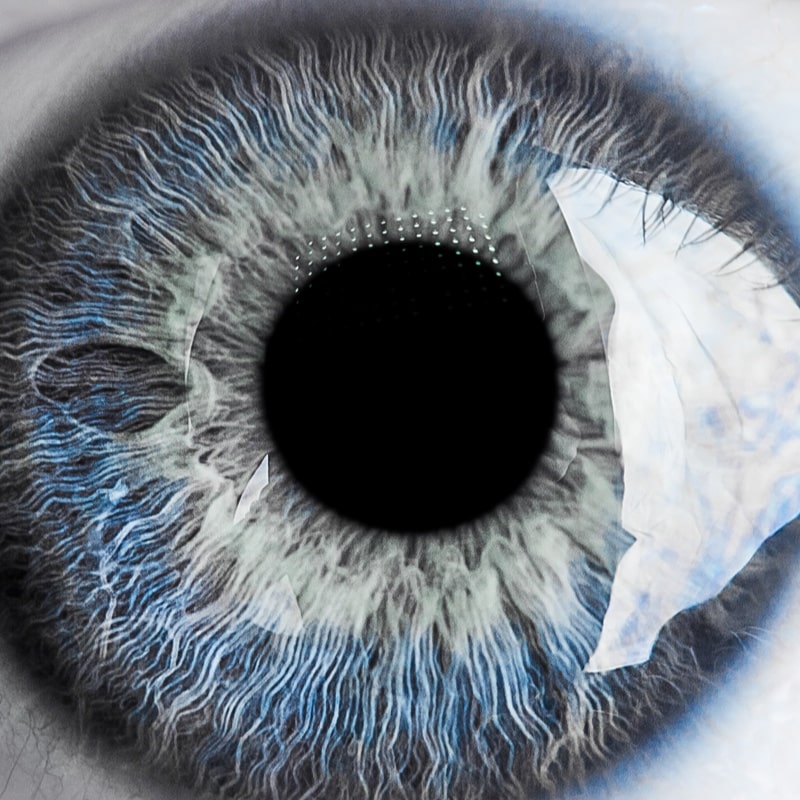
Wavefront Analysis is a cutting-edge diagnostic tool used to create a detailed 3D map of your eye’s optical system. This technology measures even the smallest imperfections in the eye, including higher-order aberrations that traditional methods miss. By using this data, Liberty Laser Eye Center can offer highly personalized and precise vision correction, ensuring sharper, clearer vision and improved visual quality.

Benefits of Wavefront Analysis

Schedule a consultation to see how Wavefront Analysis can improve your vision at Liberty Laser Eye Center!

Liberty Laser Eye

Six Facts About LASIK Surgery

1.

Quick Procedure

LASIK surgery typically takes less than 30 minutes to complete, with most of the time spent on preparation.

2.

Fast Recovery

Many patients experience improved vision within 24-48 hours and can resume normal activities in just a few days.

3.

Permanent Vision Correction

LASIK offers long-lasting results by permanently reshaping the cornea to correct vision problems like nearsightedness, farsightedness, and astigmatism.

4.

Painless

Anesthetic eye drops are used to ensure the procedure is painless.

5.

High Success Rate

LASIK surgery has an over 99% success rate.

6.

All-Laser Technology

Modern LASIK procedures use advanced all-laser techniques, eliminating the need for blades, which enhances precision and safety for patients.

LASIK vs. PRK

Which Procedure Is
Right for You?

Both LASIK and PRK are excellent options for correcting vision issues, but they differ in how the cornea is treated. LASIK creates a small flap in the cornea to reshape it, leading to faster recovery with minimal discomfort. PRK, on the other hand, removes the outer layer of the cornea, which takes longer to heal but is ideal for patients with thinner corneas or certain eye conditions.

Both procedures offer similar long-term vision correction results, and we can help determine which is best for you.

LASIK Surgery

PRK Surgery

What Our Patients are Saying

Reviews of Liberty Laser Eye Center

Service Areas

Related Articles

People Also Ask

Wavefront LASIK, also known as custom or wavefront-guided LASIK, is often considered worth the investment for many patients seeking high-quality vision correction. This advanced technology creates a detailed 3D map of your eye, allowing the laser to address not only common refractive errors like nearsightedness and astigmatism but also subtle, higher-order aberrations that can affect night vision and contrast sensitivity. By treating these finer imperfections, the procedure aims to provide sharper, clearer vision than standard LASIK, particularly in low-light conditions. For a deeper understanding of how modern laser technology enhances outcomes, we recommend reading our internal article, “Bladeless” LASIK: Marketing Hype Or Real Advantage?. As with any procedure, a comprehensive consultation is essential to determine if your specific visual profile makes you an ideal candidate for this premium option.

Wave front analysis is a sophisticated diagnostic technology used in ophthalmology to create a highly detailed map of the eye's optical system. It measures how light waves are distorted as they pass through the cornea and lens, identifying even the most minute imperfections—called higher-order aberrations—that standard prescriptions cannot correct. This data is crucial for planning customized laser vision correction procedures, such as wavefront-guided LASIK. By tailoring the laser treatment to the eye's unique imperfections, surgeons can often achieve vision quality that surpasses what is possible with glasses or standard contact lenses, potentially improving contrast sensitivity and reducing nighttime glare.

LASIK is a highly effective procedure, but it does have limits. It is typically approved to treat up to approximately -12.00 diopters of nearsightedness (myopia), up to +6.00 diopters of farsightedness (hyperopia), and up to 6 diopters of astigmatism. However, the "worst" eyesight it can fix varies significantly per individual. Factors like corneal thickness, curvature, pupil size, and overall eye health are more critical than the prescription number alone. A person with a very high prescription may have corneas too thin for a safe LASIK procedure. In such cases, alternative vision correction surgeries, such as ICL (Implantable Collamer Lens), might be recommended. A comprehensive consultation is essential to determine candidacy.

A wavefront exam, also known as wavefront-guided analysis, is a highly detailed diagnostic procedure that maps the unique imperfections in your entire optical system. During the exam, you will look into a specialized device while a technician captures precise measurements. The process is non-invasive and quick, typically taking only a few minutes per eye. The device projects a low-energy light wave into your eye and analyzes how it is distorted as it reflects back, creating a detailed 3D map of your vision. This map, far more precise than a standard glasses prescription, identifies higher-order aberrations like glare and halos. This data is crucial for planning customized laser vision correction procedures, such as LASIK or PRK, to achieve the sharpest possible visual outcome.

Facebook
Google
Yelp

Overall Rating

5.0
★★★★★

130 reviews