can you have lasik and cataract surgery at the same time? Let’s Break It Down
Hey there, fellow eye-care enthusiasts! Let’s tackle a question we hear a lot at Liberty Laser Eye Center in Vienna, Virginia: “Can I get LASIK and Cataract Surgery done in one go?” Spoiler alert: It’s not as simple as ordering a combo meal, but let’s dive into the nitty-gritty (minus the jargon) and figure out why.
First Off: What’s the Deal with LASIK vs. Cataract Surgery?
Before we merge these two worlds, let’s quickly recap what each procedure does. LASIK (or laser eye surgery, for the uninitiated) reshapes your cornea to correct vision issues like nearsightedness, farsightedness, or astigmatism. It’s like giving your eyeball a custom-tailored suit—sharp, precise, and life-changing.
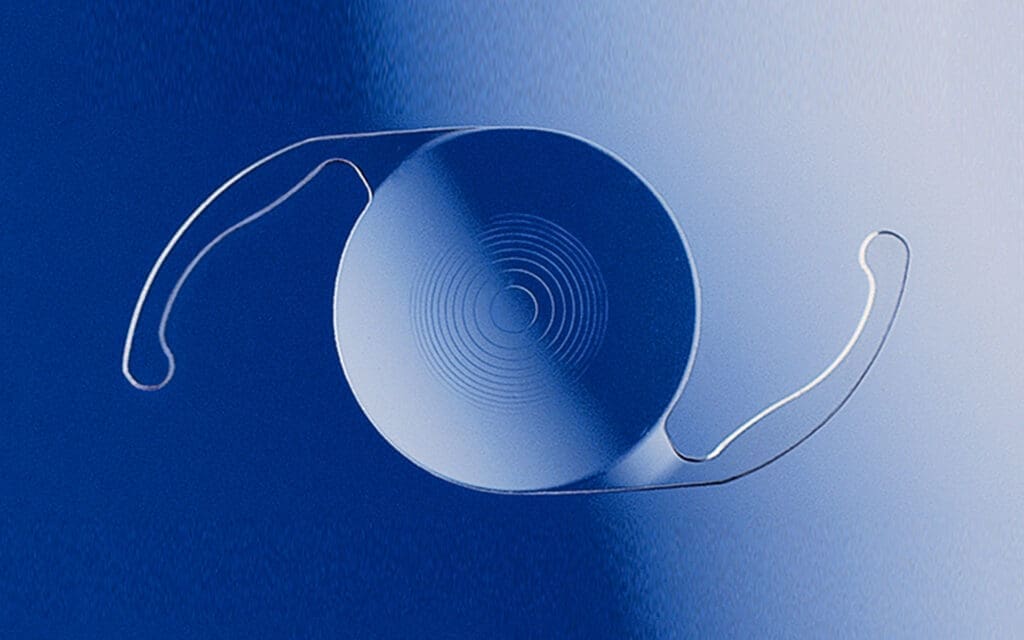
cataract surgery, on the other hand, swaps out your eye’s cloudy natural lens (thanks, aging!) with a clear artificial one. Think of it as upgrading your eyeball’s windshield from foggy to crystal-clear.
Now, here’s the kicker: While both surgeries aim to improve vision, they’re designed for very different problems. So why would anyone ask about combining them? Let’s unpack that.
“But Wait, I Want Both Fixed Yesterday!” – The Patient’s Dilemma
We get it—nobody wants to book multiple surgeries if they can avoid it. Maybe you’ve got cataracts creeping in and you’re tired of glasses. Or perhaps you’ve heard whispers about PresbyLASIK Surgery (which tackles presbyopia) and wonder if it’s a two-for-one deal.
Here’s the reality check: LASIK and Cataract Surgery target different parts of the eye. LASIK works on the cornea’s surface, while Cataract surgery happens deeper inside the lens. Combining them isn’t impossible, but it’s rarely done simultaneously. Why? Let’s geek out for a sec.
The Science Says: Timing Is Everything
Your eye needs time to heal after any procedure. LASIK requires a stable corneal surface, and cataract surgery involves removing a lens that’s been chilling in your eye since birth. Mixing them could lead to unpredictable results—like baking a cake while still whisking the batter. Not ideal.
Plus, cataract surgery’s artificial lens (intraocular lens, or IOL) can actually correct refractive errors (hello, astigmatism or presbyopia) on its own. Many of our patients at Liberty Laser Eye Center opt for advanced IOLs during cataract surgery, reducing or even eliminating the need for LASIK later.
So… Is Combining Them Ever an Option?
In rare cases, yes—but it’s like finding a unicorn at the DMV. If you’ve had LASIK in the past and later develop cataracts, your surgeon might tweak the IOL calculations during cataract surgery to account for your reshaped cornea. But doing both at the same time? Most Lasik doctors (including ours in Washington DC) will advise against it. Safety first, folks!
Why Liberty Laser Eye Center Loves a Good Plan
Over in Vienna, Virginia, our team lives for personalized strategies. Maybe you’re a candidate for Topography-Guided LASIK Surgery now and cataract surgery down the road. Or perhaps Advanced PRK Surgery makes more sense for your cornea. We’ll map it all out using tools like Wavefront Analysis to ensure your eyes get the VIP treatment they deserve.
FYI: If you’re Googling “best Lasik surgeon near me,” we’re pretty proud of our success rates and reviews. Just saying.
The Pros and Cons of Staggering Surgeries
Let’s break it down like a TikTok tutorial:
-
Pros of Doing LASIK First:
- Nail down your corneal correction early.
- Enjoy glasses-free life until cataracts show up (which could be decades!).
- Gives your surgeon better data for future IOL calculations.
-
Cons:
- Two separate recoveries (Lasik recovery is quicker, BTW).
- Potential cost over time (though we offer affordable payment plans).
-
Pros of cataract surgery First:
- Modern IOLs can fix multiple vision issues at once.
- One recovery period to rule them all.
-
Cons:
- If your cornea still needs tweaking post-IOL, you might need LASIK anyway.
But What About Keratoconus or Dry Eyes?
Ah, you’ve done your homework! Conditions like keratoconus (a thinning cornea) or chronic dry eye (Dry Eye Treatment, anyone?) add layers to the decision. For example, Corneal Cross-Linking might be needed to stabilize your cornea before any laser surgery. This is where our “nearest” team of specialists really shines—we’ll customize your plan like a barista crafting your morning latte.
The Money Talk: Cost, Insurance, and What’s Covered
Let’s cut through the awkwardness: LASIK is usually elective (read: not covered by insurance), while cataract surgery is often partially covered. Combining them won’t magically make LASIK cheaper, but choosing the right IOL during Cataract Surgery might save you from needing LASIK later.
Pro tip: Schedule your Annual Eye Exam with us! Catching cataracts early means more time to plan financially.
4 Burning Questions (Answered Without the Fluff)
-
“Can I just ask for both surgeries to save money?”
Nope. Insurance won’t care about your clever plan, and safety trumps shortcuts. -
“What’s the success rate of doing them separately?”
High! LASIK boasts a 96% patient satisfaction rate, and cataract surgery is one of the safest procedures globally. -
“How long between surgeries?”
Ideally months to years. Let your eyes heal fully before round two. -
“What if I’m over 50 and have presbyopia?”
Ask us about PresbyLasik or multifocal IOLs during cataract surgery. Boom—reading menus without cheaters!
Final Thoughts: Your Eyes Deserve a Game Plan
Look, we’re all about efficiency here at Liberty Laser Eye Center (seriously, our Washington DC-area patients love our “no-waffling” approach). But when it comes to your vision, slow and steady wins the race. Whether you’re exploring LASIK Eye Surgery, fretting about Kerotoconus, or just due for an Annual Eye Exam, we’ve got your back—and your corneas.
So, ready to ditch the confusion? Swing by our Vienna, Virginia clinic (or hunt down the closest laser eye surgery to you). Let’s make those peepers the best they can be—one logically timed procedure at a time. 😉
TL;DR: Mixing LASIK and cataract surgery? Usually a no-go. But with smart planning (and maybe a fancy IOL), you might not need both anyway. Hit us up—we’re kinda experts at this stuff.
Related Articles
Exploring The Most Effective Modern Alternatives To Traditional LASIK Surgery
Can Scleral Lenses Effectively Reshape Your Cornea For Better Vision
Can I Get LASIK After Cataract Surgery?
People Also Ask
The most common complaint after cataract surgery is dry eye, which often causes a gritty, sandy, or burning sensation. Many patients also report fluctuating vision, where their sight may be clear one moment and blurry the next. This discomfort typically occurs because the corneal nerves are temporarily disrupted during the procedure. At Liberty Laser Eye Center, we emphasize that while these symptoms are normal, they can be managed effectively with preservative-free artificial tears and proper hydration. Another frequent issue is glare or halos around lights, especially at night, which usually improves as the eye heals over several weeks. It is important to follow your post-operative care plan closely and attend all follow-up appointments to ensure a smooth recovery. If symptoms persist, your surgeon can recommend additional treatments to enhance comfort.
You should not get LASIK before cataract surgery. The standard medical recommendation is to undergo cataract surgery first, then consider LASIK afterward if needed. Cataract surgery removes the clouded natural lens and replaces it with an artificial intraocular lens (IOL), which corrects your vision for distance. LASIK performed before cataract surgery would be ineffective because the cataract surgery changes the eye's refractive power. Additionally, LASIK alters the cornea, which can make the calculations for the IOL power less accurate. At Liberty Laser Eye Center, we advise patients to complete cataract surgery and allow the eye to heal fully, typically for three to six months. After that, if you have residual refractive error, LASIK can be safely performed to fine-tune your vision. For more details, please refer to our article Pediatric Considerations For Vision Correction.
As of 2026, the standard and most advanced treatment for cataracts remains safe and effective cataract surgery, which involves removing the clouded natural lens and replacing it with a clear artificial intraocular lens. There is no new non-surgical cure or medication approved to reverse cataracts. The primary innovation in 2026 continues to be the refinement of premium lens technology, such as advanced multifocal and extended depth of focus lenses, which can reduce dependence on glasses after surgery. At Liberty Laser Eye Center, we utilize the latest laser-assisted techniques to enhance precision and recovery. If you are experiencing symptoms like blurry vision or glare, a comprehensive evaluation is the best step to determine your candidacy for this life-changing procedure.
Blurry vision a decade after LASIK can occur for several reasons. The most common cause is a natural change in your prescription, known as refractive regression, where the eye gradually shifts over time. This is not a failure of the original surgery but a normal part of aging. Another possibility is the development of presbyopia, which typically begins around age 40 and affects near vision. More serious causes include the formation of cataracts, which cloud the natural lens, or conditions like dry eye syndrome, which can fluctuate vision. At Liberty Laser Eye Center, we emphasize that long-term follow-up is essential. For a detailed understanding of post-surgery visual changes, please refer to our internal article titled Glare And Halos: Managing Expectations Post-LASIK. We recommend scheduling a comprehensive eye exam to determine the exact cause and explore corrective options.
LASIK is generally not performed after cataract surgery because cataract surgery replaces the eye's natural lens with an intraocular lens (IOL) to correct distance vision. Most patients achieve their desired vision correction from the IOL alone. However, if significant residual refractive error remains, a procedure called PRK (photorefractive keratectomy) is often recommended instead of LASIK, as it is safer on a cornea that has already undergone surgery. At Liberty Laser Eye Center, we emphasize that the cost for enhancement procedures like PRK varies based on the complexity of the case and the technology used. Typically, prices range from $1,500 to $3,000 per eye, but a comprehensive evaluation is necessary to provide an accurate quote. We always recommend discussing your specific needs with your surgeon to understand the best options and associated costs.
Yes, it is possible to have LASIK after cataract surgery, though it is not common. This procedure, often called a laser enhancement, is performed to correct residual refractive errors like nearsightedness, farsightedness, or astigmatism that may remain after cataract removal. The eye must be fully healed and stable, which typically takes three to six months. Your overall eye health and corneal thickness will be evaluated to determine candidacy. At Liberty Laser Eye Center, we recommend reviewing our internal article titled Exploring The Most Effective Modern Alternatives To Traditional LASIK Surgery for a broader understanding of your options. A thorough consultation is essential to ensure the procedure is safe and appropriate for your specific visual needs.
For patients who have previously undergone LASIK, selecting the best cataract lens requires careful consideration of your unique corneal shape and refractive history. The most reliable option is often a premium toric or extended depth of focus (EDOF) intraocular lens (IOL), which can correct pre-existing astigmatism and provide a broad range of clear vision. However, because LASIK alters the cornea’s curvature, standard lens calculations may be less accurate. At Liberty Laser Eye Center, we recommend a thorough preoperative evaluation using advanced diagnostic technology to ensure precise lens power selection. For a deeper look into your options, we encourage you to review our internal article titled Exploring The Most Effective Modern Alternatives To Traditional LASIK Surgery, which details the most effective modern alternatives to traditional LASIK surgery. A consultation with your surgeon is essential to determine the lens that best matches your visual goals and eye health.
Yes, you can absolutely have cataract surgery after PRK. In fact, it is a very common and safe procedure. The key difference is that PRK reshapes the cornea's surface, which changes the eye's measurements. Your surgeon will need to take extra care with pre-surgical measurements to accurately calculate the correct lens implant power. This often involves using advanced imaging technology that does not rely on the cornea's front surface alone. For patients who have had PRK, the recovery from cataract surgery is generally the same as for other patients. At Liberty Laser Eye Center, we understand these nuances well. For more context on vision correction options, you can explore our internal article titled Exploring The Most Effective Modern Alternatives To Traditional LASIK Surgery.